Indian Express
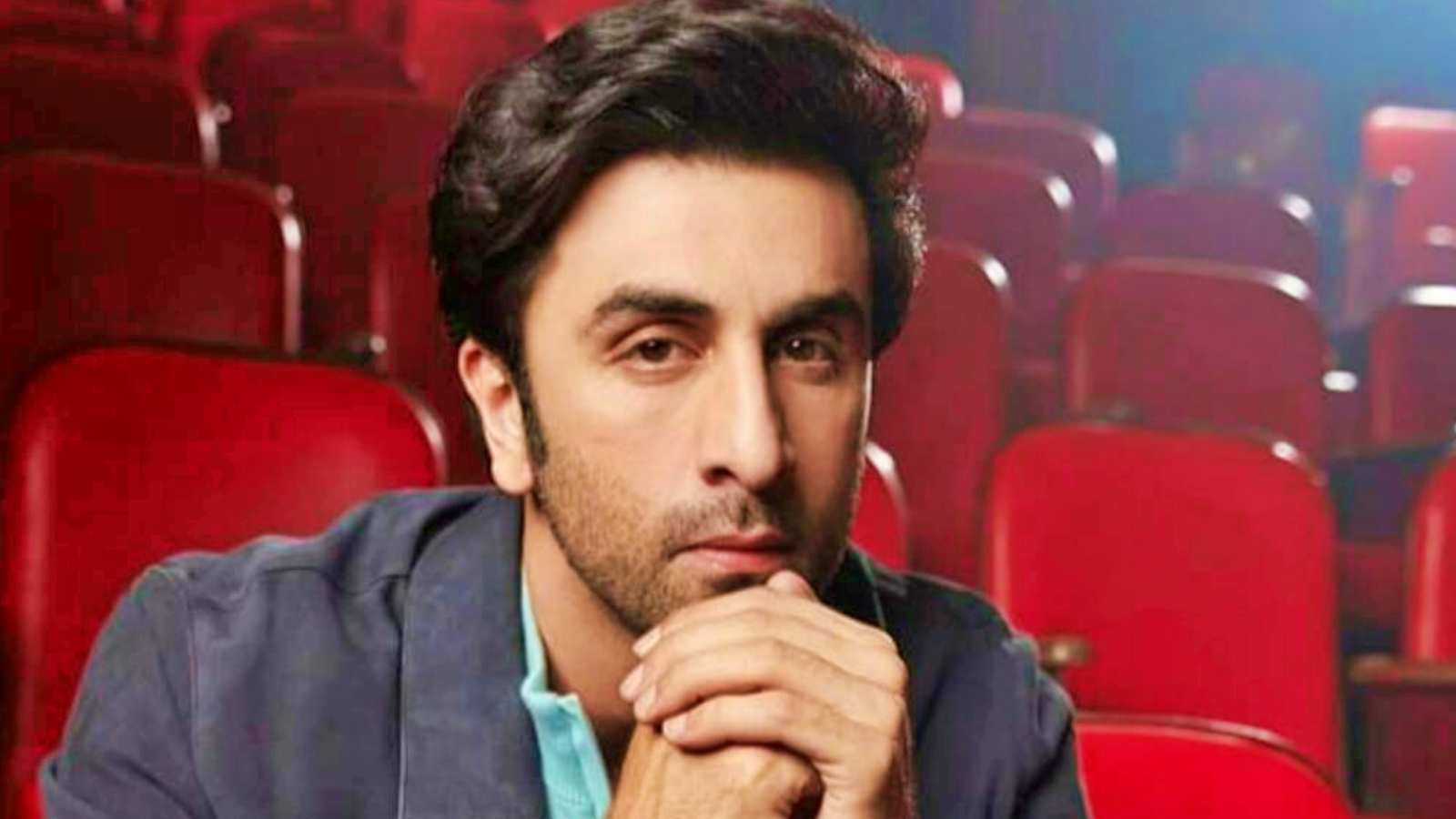
Ranbir Kapoor ‘feels very deeply’ but struggles to express emotions; psychologist weighs in
As discussions around mental health and emotional well-being become more common, expressing one’s feelings is often viewed as a sign of emotional awareness. However, emotional experiences vary from person to person, and some individuals may find it difficult to openly express their feelings. It doesn’t necessarily mean that they are emotionally unaware.
Actor Ranbir Kapoor recently spoke about this in a conversation with entrepreneur Nikhil Kamath. Describing himself as someone who finds it difficult to express emotions, Kapoor admitted, “I’m not very expressive; I keep things to myself. It’s not like I don’t feel things. I feel very deeply, but I don’t always know how to articulate them. Sometimes I just sit with my emotions.”
His comments highlight a simple point that feeling emotions deeply and expressing them openly are not always the same thing. While many conversations today encourage people to talk about their feelings, some prefer to process emotions quietly and keep them to themselves.
DISCLAIMER: This article is based on information from the public domain and/or the experts we spoke to. Always consult your health practitioner before starting any routine.
Expression vs performance
Words like “boundaries”, “healing”, and “triggers” are now part of everyday language. While this has made it easier for people to talk about their emotions, it has also created an environment where sharing feelings can sometimes feel expected.
What psychology says
To understand this, we reached out to Nishtha Munjal, a psychologist, psychotherapist and PhD scholar, who works with Silver Oak Health and also as a private practitioner.
Emotion regulation, she explains, is highly individual and shaped by factors such as upbringing, personality, and early experiences with how emotions were perceived or responded to.
Story continues below this ad
“The key difference lies in the intention behind not expressing an emotion. If the intention is to avoid feeling it altogether, it leans towards suppression. However, if the intention is to maintain daily functioning in a given situation, it reflects healthy restraint. For instance, someone dealing with a personal crisis may choose not to break down at work to manage immediate responsibilities.”
This distinction becomes crucial in a culture where silence is often misread as emotional absence rather than emotional regulation.
Are we over-expressing?
With social media encouraging people to share every aspect of their lives, emotional expression can sometimes feel constant.“There is definitely a shift,” Munjal notes. “People are more open to talking about their feelings, which is positive, but at times expression can be influenced by the need for validation rather than genuine processing.” It’s a quiet and subtle shift, from expressing to understand to expressing to be seen.
The role of quiet and solitude
According to the psychologist, balance can often be found in simple everyday habits, such as maintaining a routine, spending time alone, or taking a few quiet moments for oneself. A slower, less socially driven lifestyle can be healthy when it is a conscious choice that helps a person recharge. However, if it becomes a way of avoiding people or situations altogether, it can lead to isolation. The key difference, she says, lies in awareness and intention.
Story continues below this ad
Silence as emotional intelligence
Silence, often misunderstood, can also be a form of emotional intelligence. Munjal explains that it reflects the ability to sit with emotions without rushing to articulate them, to process internally before externalising.
Some feelings don’t require immediate expression, and some experiences shouldn’t be shared. In this context, Kapoor’s emotional minimalism appears less like detachment and more like discernment.
For years, emotional restraint, particularly among men, was viewed as a limitation. Today, there is increasing emphasis on openness and articulation. But the balance may lie somewhere in between.
Ranbir Kapoor’s remarks draw attention to a perspective often overlooked in conversations about emotional well-being: not everyone processes emotions by talking about them. While contemporary culture frequently encourages openness and self-disclosure, some people experience and navigate their feelings more privately. In a time when emotional expression is often visible and public, choosing not to articulate every feeling does not necessarily indicate emotional distance. It may simply reflect a different way of engaging with one’s emotions.
View original source — Indian Express ↗
Related stories

Deadline
EntertainmentJun 21, 2026 · 1 min
Reese Witherspoon Gets Teary-Eyed About “Passing The Pink Torch” To ‘Elle’ Star Lexi Minetree At ‘Legally Blonde’…
Deadline

Variety
EntertainmentJun 21, 2026 · 1 min
Box Office: ‘Toy Story 5’ Scores Year’s Biggest Debut With $160 Million, Shattering Franchise Opening Weekend Record
Variety

Rio Times
EntertainmentJun 21, 2026 · 1 min
Argentina and Chile Crack the World’s Top 50 Wines
Rio Times

E! Online
EntertainmentJun 21, 2026 · 1 min
Keith Urban Sends Birthday Love to Nicole Kidman One Year After Split
E! Online