Indian Express
Indian Express··2 min read
India has set down the red lines for the US. Now, seal the trade deal
The question is whether New Delhi can quickly come to terms with the structural shifts underway in American foreign policy.
3 min readJun 22, 2026 06:00 AM IST
First published on: Jun 22, 2026 at 06:00 AM IST
The last year-and-a-half has seen strains in the India-US relationship over trade, Russian oil, and claims of American mediation during Operation Sindoor. Despite high-level engagement, including US Secretary of State Marco Rubio’s recent visit to India, restoring trust between the two sides remains a work in progress. India is not the only country whose diplomacy has been challenged dealing with the mercurial US President, Donald Trump. Italian PM Giorgia Meloni’s once-warm relationship with Trump has soured over Rome’s reluctance to support Washington in its war with Tehran. Ukraine’s Volodymyr Zelenskyy and Canada’s Mark Carney are no strangers to this predicament. Trump’s maverick style of statecraft has forced allies and rivals alike to recalibrate their approach to Washington. It is in this context that the meeting between Trump and Prime Minister Narendra Modi — their first in 16 months, on the sidelines of the G7 summit last week — assumes significance. The Prime Minister welcomed the progress made in peace efforts in West Asia and underlined that “mutual trust is the most important strategic asset today”.
The US President, through his military actions, weaponisation of tariffs and transactional diplomacy, has eroded the post-war international order, and India has not been immune to the consequences. The question is whether New Delhi can quickly come to terms with the structural shifts underway in American foreign policy. Given that the US is India’s largest economic partner, not just in trade, but also in investment, technology and higher education, the fundamentals of the relationship remain strong. New Delhi has no choice but to adapt and manage Trump for the remaining two-and-a-half years of his term; neither open confrontation nor submissive behaviour is likely to work. Prime Minister Modi’s approach at the G7 — crediting Trump for his peace efforts while simultaneously working towards a trade deal to limit tariffs, as US Trade Representative Jamieson Greer visits India this week — appears to be the most effective course available.
That does not mean India should hesitate to defend its interests. PM Modi raised with Trump the safety of Indian seafarers after External Affairs Minister S Jaishankar lodged a protest with Rubio over US attacks in the Gulf that killed three Indian mariners earlier this month. The task of diplomacy is to make India’s red lines clear while navigating crises beyond its control. What remains in India’s control is strengthening its leverage by modernising the economy, defence capabilities and technology ecosystem. Achieving those goals will require deeper engagement with the West, particularly the US. India’s challenge is to preserve both partnership and autonomy.
View original source — Indian Express ↗
Related stories
Dawn
NewsJun 22, 2026 · 1 min
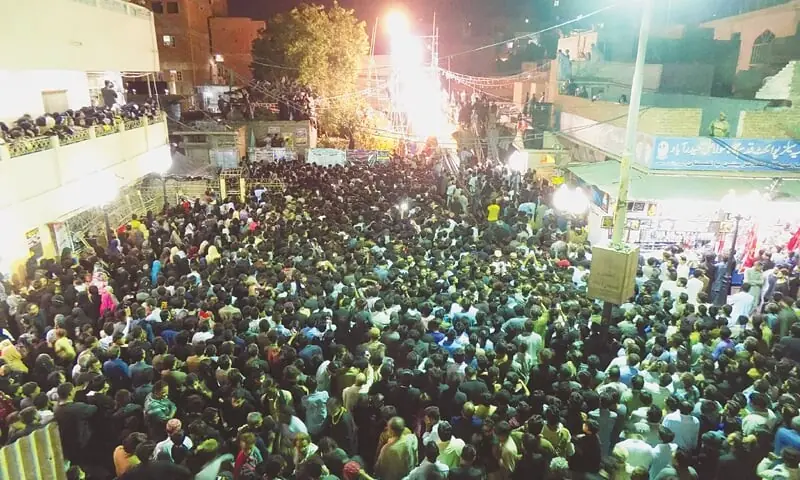
14 hurt after vehicle crashes into tent outside DHA imambargah in Karachi
Dawn

Dawn
BusinessJun 22, 2026 · 1 min
WITH the signing of a memorandum of understanding between the US and Iran, an interim deal has been agreed
Dawn
Bloomberg
BusinessJun 22, 2026 · 1 min
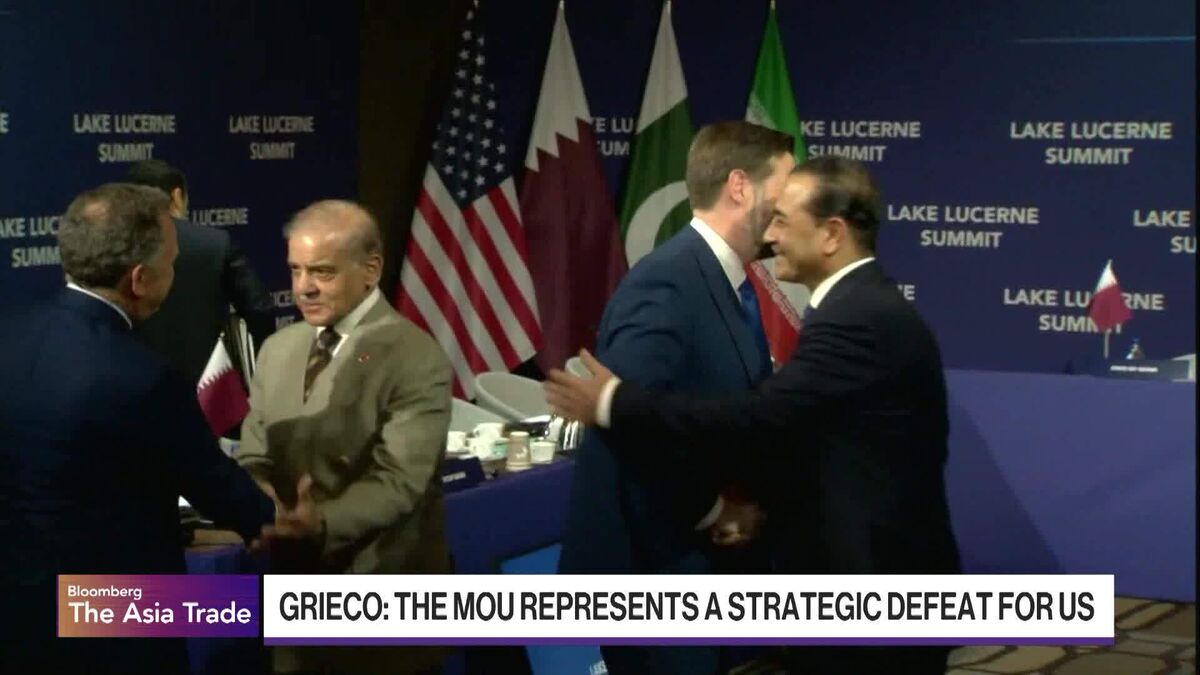
Iran Deal 'Strategic Defeat' for US: Defense Analyst
Bloomberg
ABC News
SportsJun 22, 2026 · 1 min
From sleeping in his car and no 'plan B', Paro now has shot at history
ABC News