Indian Express
Indian Express··4 min read
‘Won’t return to your f*ing country’: Trump’s Hormuz threat to Iran delegation; here’s where things stand
News
World
'Won't return to your f*ing country': Trump's Hormuz threat to Iran delegation; here's where things stand
The US-Iran negotiations in Switzerland are ongoing and the US delegation anticipates “to work through the night,” a US official said.
4 min readJun 22, 2026 06:33 AM IST
First published on: Jun 22, 2026 at 05:55 AM IST
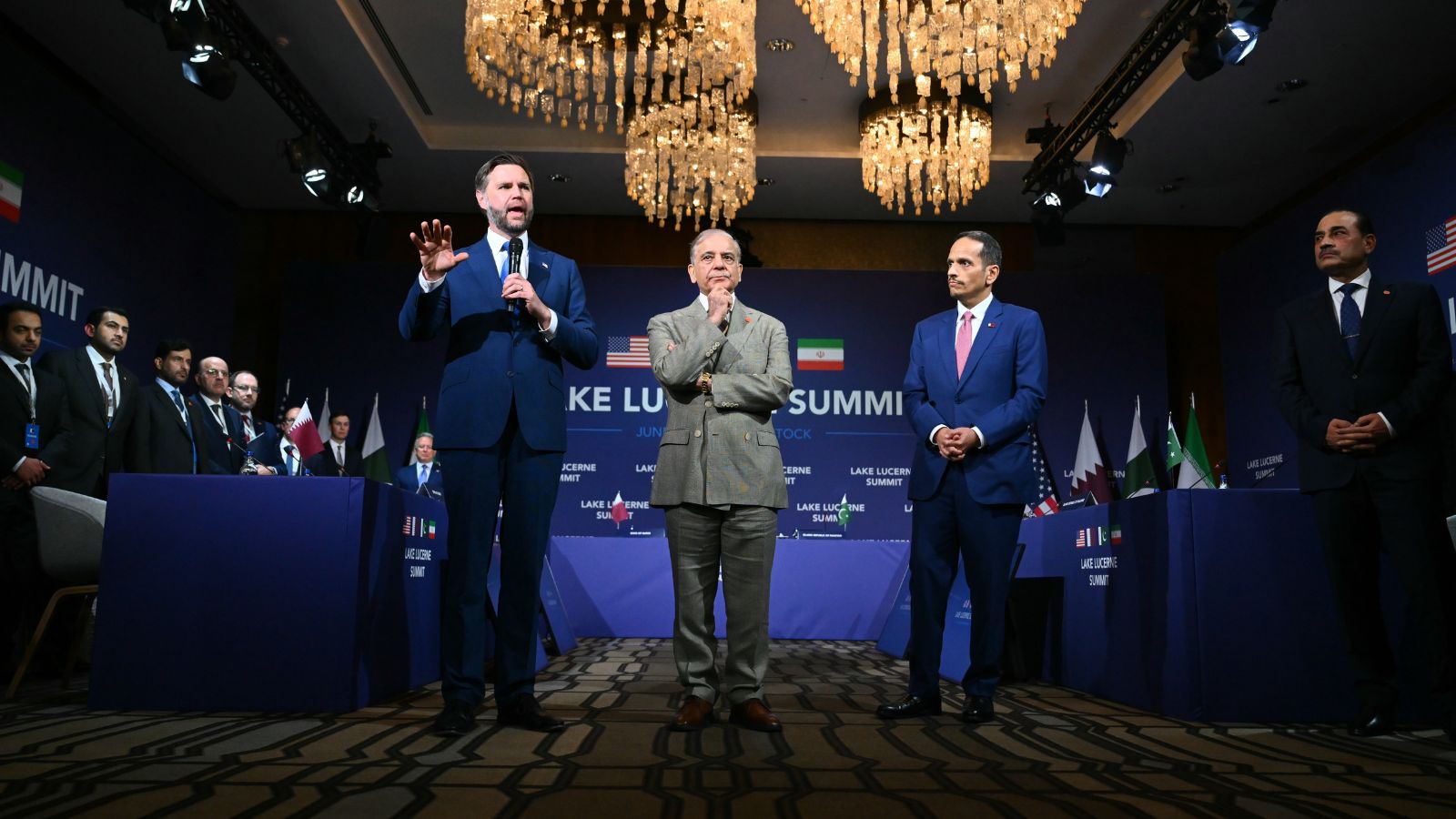
US Vice President JD Vance, left, looks on as Pakistan's Prime Minister Shehbaz Sharif, center, speaks while gesturing towards Qatar's Prime Minister and Minister for Foreign Affairs Sheikh Mohammed bin Abdulrahman bin Jassim Al-Thani, at the Bürgenstock Resort in Obbuergen, Switzerland. (Photo: AP)
Talks between US and Iranian negotiators in Switzerland were disrupted over the weekend after Iran’s delegation briefly walked out in protest at a series of threats made by US President Donald Trump, even as both sides reported some progress on sanctions relief.
What did Trump say that triggered the walkout?
Trump, posting on social media and speaking to Fox News, threatened to strike Iran again and suggested the US could “take over” the Strait of Hormuz and start charging tolls if no deal is reached. He also used threatening language directed at Iran’s negotiating team over the strait’s closure.
Trump says he spoke with Iranian officials and told them, "You close the Strait of Hormuz and you won't have a country."
He also told them, "You won't even make it back to your f*cking country."
Source: Fox News pic.twitter.com/LpaY2rG0CK
— Clash Report (@clashreport) June 21, 2026
Iranian officials called the remarks a threat to their personal safety and noted they came despite a non-aggression clause in the memorandum both sides signed last week.
pic.twitter.com/OD3kNsXnqI
— Rapid Response 47 (@RapidResponse47) June 21, 2026
How did Iran respond?
Iran’s chief negotiator, Mohammad Bagher Ghalibaf, dismissed the threats, saying Tehran does not factor American warnings into its decisions and that Iran, not the US, determines outcomes through action.
Iran’s delegation walked out of face-to-face talks at Bürgenstock, leaving Qatar and Pakistan both acting as mediators to keep communication going. It remains unclear whether the walkout is a lasting rupture or a symbolic protest.
Iranian officials said a draft agreement was reached on US waivers to lift sanctions on Iranian oil exports a key precondition for Iran to begin nuclear talks along with progress on unfreezing Iranian assets held overseas.
Ghalibaf arrived accompanied by the heads of Iran’s national oil company and central bank, signalling sanctions relief was central to Tehran’s agenda.
Story continues below this ad
What is Vance’s role in all this?
Vice President JD Vance, leading the US delegation alongside Jared Kushner and Steve Witkoff, struck a markedly different tone from Trump, saying the president had asked negotiators to “turn over a new leaf” with Iran.
He said the US was open to transforming the relationship if Iran gave up its nuclear ambitions and stopped destabilising the region, and downplayed the Lebanon violence as something that happens in any negotiation.
Why did Iran say it shut the Strait of Hormuz again?
Iran cited continued Israeli strikes in Lebanon, which it said breached the ceasefire terms in the memorandum. However, maritime tracking data cited by the BBC shows vessels continuing to transit the strait, and the US has disputed Iran’s closure claim.
US Energy Secretary Chris Wright said dozens of ships passed through over the weekend with no disruption.
Story continues below this ad
Where do things stand now?
Despite the walkout, the quadrilateral format involving the US, Iran, Pakistan and Qatar continued, with Pakistan’s prime minister and army chief, and Qatar’s prime minister, also present in Switzerland.
The UN’s nuclear watchdog chief, Rafael Grossi, was on site too, though Iran wants to delay inspection talks until the sanctions issue is settled.
The original 60-day window to finalise a deal remains in place, but with no clear resolution yet on Lebanon, the strait, or the broader nuclear file.
The Express Global Desk at indianexpress.com which delivers authoritative, verified, and context-driven coverage of key international developments shaping global politics, policy, and migration trends. The desk focuses on stories with direct relevance for Indian and global audiences, combining breaking news with in-depth explainers and analysis.
A major focus area of the desk is US immigration and visa policy, including developments related to student visas, work permits, permanent residency pathways, executive actions, and court rulings. The Global Desk also closely tracks Canada’s immigration, visa, and study policies, covering changes to study permits, post-study work options, permanent residence programmes, and regulatory updates affecting migrants and international students.
All reporting from the Global Desk adheres to The Indian Express’ editorial standards, relying on official data, government notifications, court documents, and on-record sources. The desk prioritises clarity, accuracy, and accountability, ensuring readers can navigate complex global systems with confidence.
Core Team
The Express Global Desk is led by a team of experienced journalists and editors with deep expertise in international affairs and migration policy:
Aniruddha Dhar – Senior Assistant Editor with extensive experience in global affairs, international politics, and editorial leadership.
Nischai Vats – Deputy Copy Editor specialising in US politics, US visa and immigration policy, and policy-driven international coverage.
Mashkoora Khan – Sub-editor focusing on global developments, with a strong emphasis on Canada visa, immigration, and study-related policy coverage. ... Read More
© IE Online Media Services Pvt Ltd
# Iran US nuclear talks
Loading Recommendations...
01
02
03
04
05
Live Blog
View original source — Indian Express ↗
Related stories
Dawn
NewsJun 22, 2026 · 1 min
14 hurt after vehicle crashes into tent outside DHA imambargah in Karachi
Dawn
Dawn
BusinessJun 22, 2026 · 1 min
WITH the signing of a memorandum of understanding between the US and Iran, an interim deal has been agreed
Dawn
Bloomberg
BusinessJun 22, 2026 · 1 min
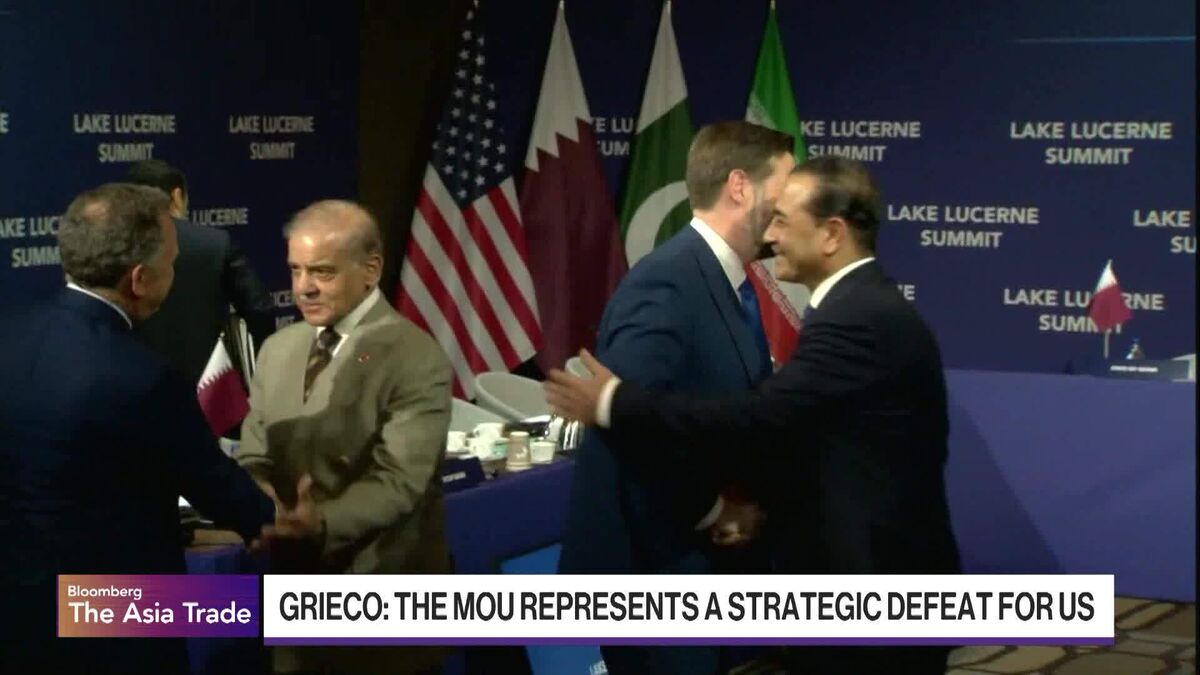
Iran Deal 'Strategic Defeat' for US: Defense Analyst
Bloomberg
ABC News
SportsJun 22, 2026 · 1 min
From sleeping in his car and no 'plan B', Paro now has shot at history
ABC News