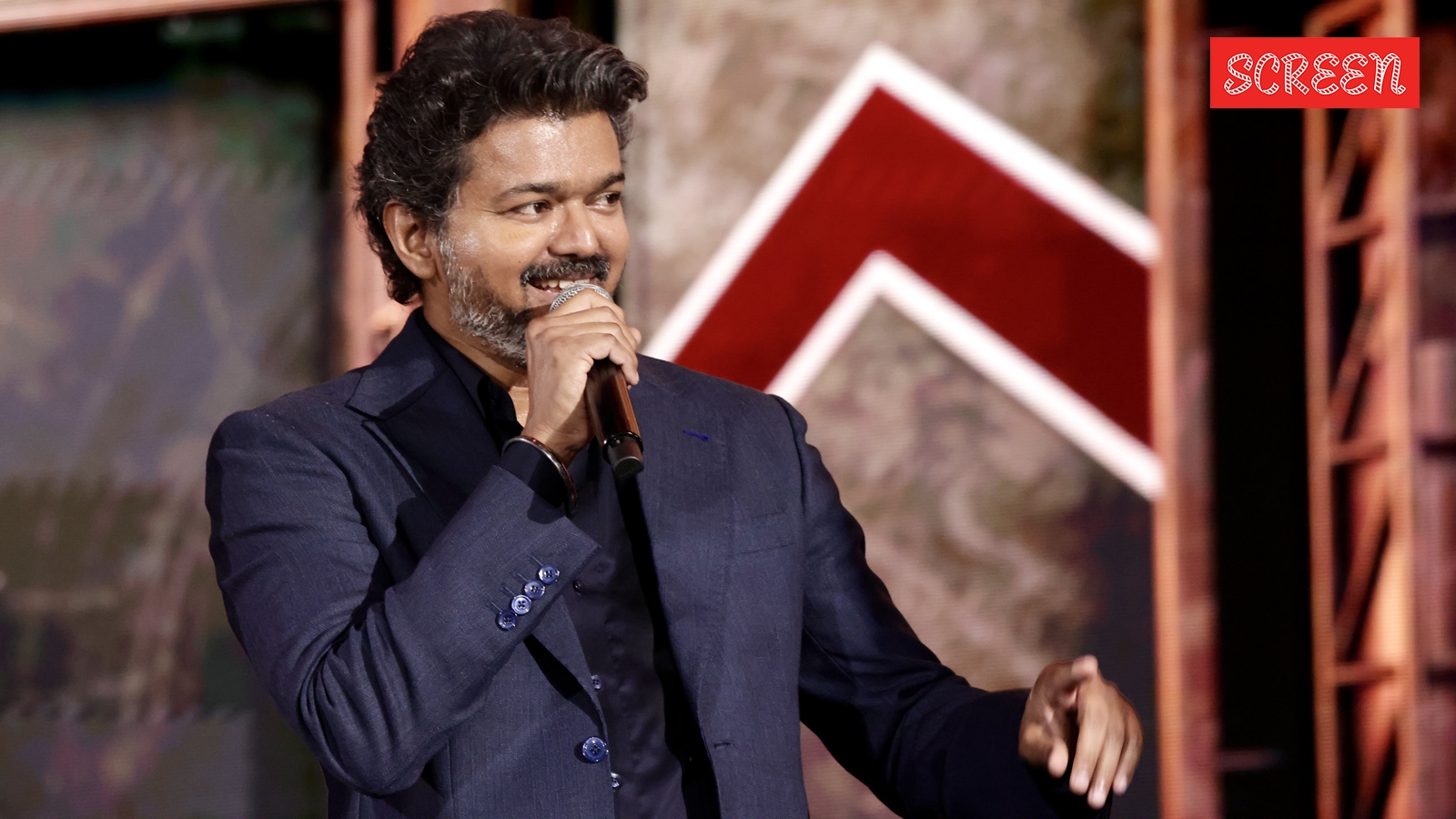
Indian Express
From ‘Ilaya Thalapathy’ to Chief Minister: The unusual journey of Vijay
In 1984, a 10-old-boy was paid 500 rupees for a small role in his father’s film, a black and white drama called Vetri. Forty two years later, that boy, known across India simply as ‘Thalapathy’ Vijay, stood on a stage in Chennai and took the oath as Chief Minister of Tamil Nadu, after a political party he had founded just two years earlier became the first non Dravidian outfit to lead the state in 59 years.
Vijay was born to filmmaker S.A. Chandrasekhar and playback singer Shoba Chandrasekhar. After Vetri, he appeared in a handful of other films directed by his father through the rest of the decade, including Kudumbam, Naan Sigappu Manithan, Vasantha Raagam, Sattam Oru Vilayaattu and Ithu Engal Neethi. These were modest beginnings, with Vijay credited in small parts while his father built a career as a commercial filmmaker known for action dramas.
He stepped into a lead role for the first time in 1992, in Naalaiya Theerpu, again directed by his father. The film did not do well, and Vijay faced criticism over his look and his performance, an inauspicious start for an actor who would go on to become one of the most bankable names in the industry. His father responded by pairing him opposite an established star, Vijayakanth, in Senthoorapandi the following year, which turned out to be a hit and gave Vijay his first real foothold with audiences. The real shift in his image came with Rasigan in 1994, after which fans began calling him ‘Ilaya Thalapathy’, meaning young commander, a title that would stay with him in different forms for the rest of his career.
Also Read: RJ Balaji reveals why CM Vijay turned down Karuppu: ‘I thanked him in the opening credits’
Through the rest of the 1990s, Vijay built a following as a romantic lead, with films such as Poove Unakkaga, Kadhalukku Mariyadhai, Thullatha Manamum Thullum and Kushi doing well with younger audiences. It was in the early 2000s that his on screen identity changed more decisively. Thirumalai in 2003 marked his shift toward a harder, action driven persona, and Ghilli in 2004, a remake of the Telugu hit Okkadu, became a genuine turning point, transforming him from a popular hero into a mass entertainer with a much wider reach. Pokkiri followed in 2007, another remake of a Telugu original, and pushed his stardom further still, placing him firmly among the top tier of Tamil cinema alongside contemporaries like Ajith Kumar and, a generation above him, Rajinikanth.
From the 2010s onward, Vijay’s films grew in scale and box office ambition, with titles such as Thuppakki, Kaththi, Theri, Mersal, Sarkar, Bigil, Master and Leo regularly featuring among the highest grossing Tamil releases of their respective years. Alongside his film career, he built a large organised fan base, which he formalised in 2009 into a welfare body called Vijay Makkal Iyakkam.
The political turn became official on February 2, 2024, when Vijay announced the formation of Tamilaga Vettri Kazhagam, stating that the party would contest the 2026 Tamil Nadu assembly election. He converted his fan club network, reportedly tens of thousands of units across the state, into the new party’s organisational base. His final film as a lead actor, Jana Nayagan, was positioned as a cinematic farewell, though its release has been delayed by a prolonged dispute with the Central Board of Film Certification over its content.
Story continues below this ad
Also Read: Vijay knew Jana Nayagan will face trouble, says father SA Chandrasekhar: ‘He warned the producer’
The election itself, held on April 23, recorded the highest voter turnout in the state’s history. When results were declared on May 4, TVK had emerged as the single largest party, winning 108 of 234 seats in its very first electoral outing. Vijay himself won both seats he contested, Perambur in Chennai and Tiruchirappalli East, while the sitting Chief Minister, M.K. Stalin, lost his own seat in Kolathur. TVK fell ten seats short of a majority, leading to several tense days of negotiation before the Indian National Congress broke away from its alliance with the DMK to back a TVK led government. Vijay was sworn in as Chief Minister on May 10, and his government won a floor test in the assembly three days later.
His rise has drawn frequent comparisons to M.G. Ramachandran, the actor who founded the AIADMK and became Chief Minister in 1977, as well as to J. Jayalalithaa, both of whom built political careers on the back of film stardom. Analysts have pointed to anti incumbency against the outgoing DMK government, the scale of Vijay’s existing fan network, and a heavily digital, youth focused campaign as key factors behind TVK’s debut performance.Whatever the explanation, the journey from a child actor earning a few hundred rupees for his first film to the Chief Minister’s office is, by any measure, an unusal one.
View original source — Indian Express ↗
Related stories
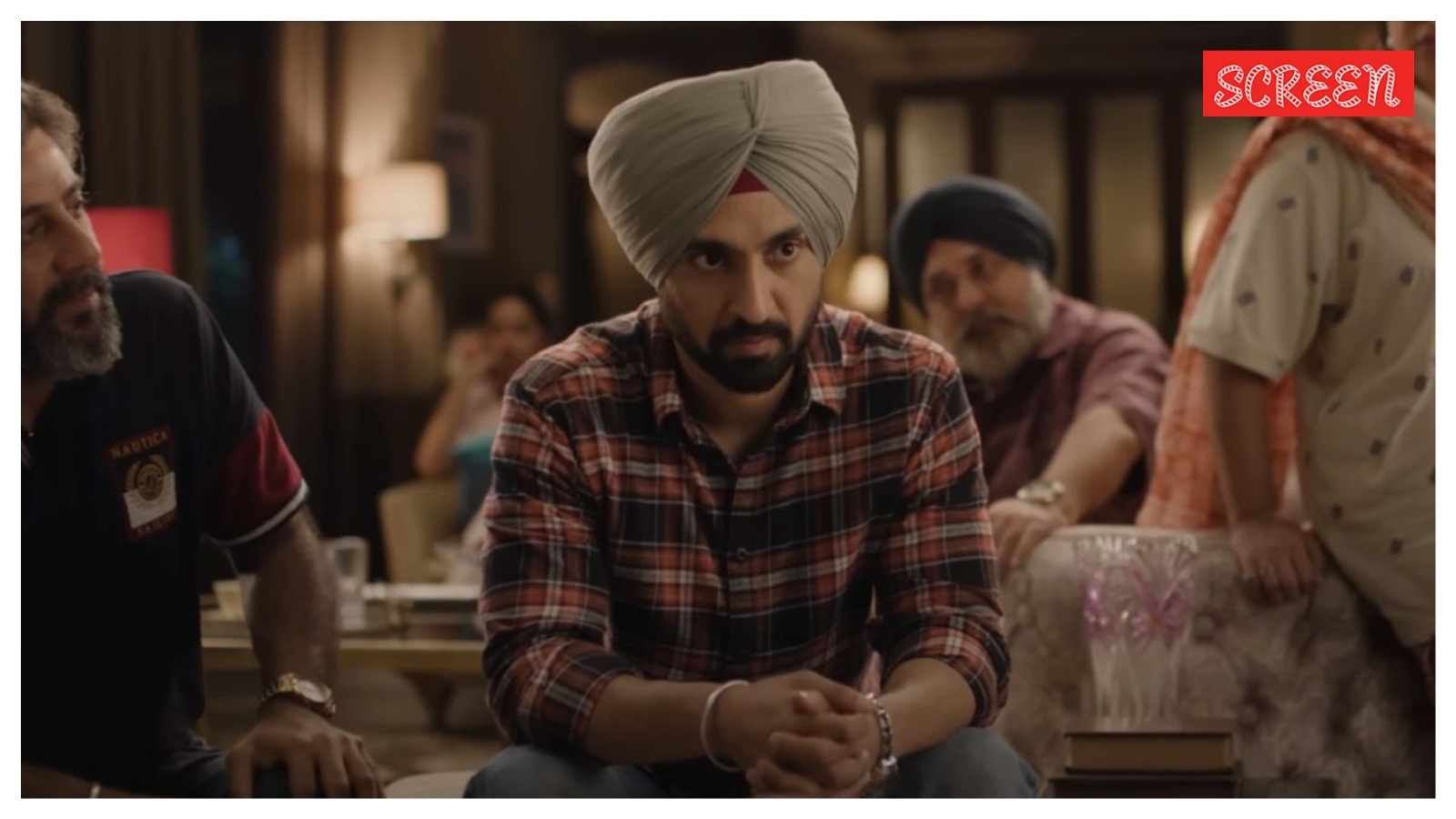
Indian Express
EntertainmentJun 22, 2026 · 1 min
Main Vaapas Aaunga box office collection day 10: Imtiaz Ali film collects 5 times its opening day, earns Rs 41 cr
Indian Express
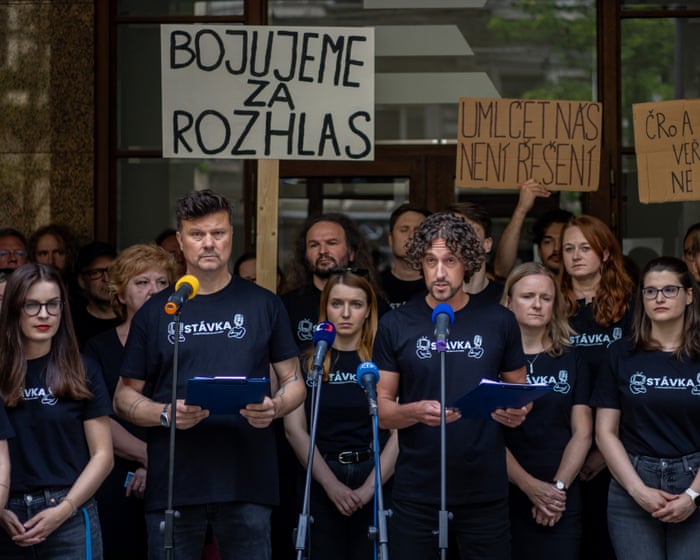
The Guardian
EntertainmentJun 22, 2026 · 1 min
Thousands of staff at Czech public broadcasters strike over funding plans
The Guardian
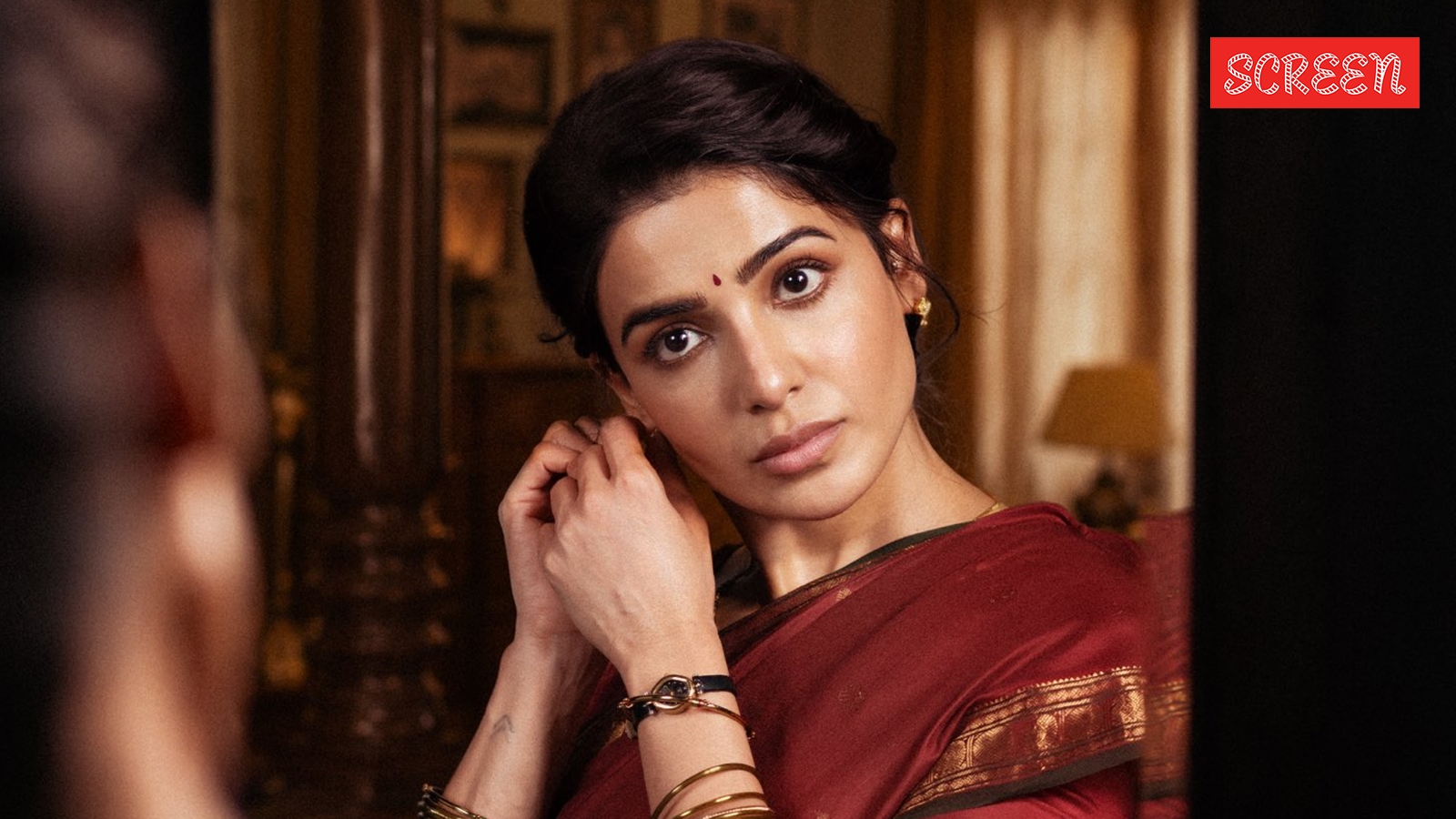
Indian Express
EntertainmentJun 22, 2026 · 1 min
Maa Inti Bangaaram Box Office collection day 3: Samantha’s film crosses Rs 41 crore
Indian Express

Deadline
EntertainmentJun 22, 2026 · 1 min
Comedian Moshe Kasher Reveals Cancer Diagnosis
Deadline