
AllAfrica
Nigeria: Opec - Nigeria, Other African Nations Need $92bn in Refining Investments Through 2050
Lists BUA's Akwa Ibom refinery among key African projects
Nigeria, Angola to drive continent's refining expansion
Dangote Refinery raises Africa's secondary refining capacity by 13.5%
Emmanuel Addeh in Abuja
Keep up with the latest headlines on WhatsApp | LinkedIn
The Organisation of Petroleum Exporting Countries (OPEC) has projected that Nigeria and other African countries will require about $92 billion in refining investments through 2050 to meet rising fuel demand, strengthen energy security and reduce dependence on imported petroleum products.
In its 2026 World Oil Outlook (WOO), the international oil cartel also identified Nigeria and Angola as the principal drivers of the continent's next wave of refining expansion.
OPEC stated that Africa's refining sector is entering a new phase of growth after decades of underinvestment, with Nigeria playing a central role through the fully operational Dangote Refinery and the proposed 200,000 barrels per day Akwa Ibom refinery project being developed by BUA Group, alongside several modular refining projects.
The report showed that Africa would require approximately $92 billion in refining investments over the outlook period, comprising about $25 billion in investments tied to projects expected before 2030 and a further $67 billion in investments for new refinery projects and expansions after 2030.
"Asia-Pacific and Africa are likely to invest around $29 billion and $25 billion in the downstream sector in the medium term, respectively. In the period post-2030, global investment requirements for new refinery projects and expansions are evaluated at $423 billion. The largest share is expected in India and the Middle East, estimated at $73 billion each, followed by China and Africa, estimated at $69 billion and $67 billion, respectively," the report stated
The report underscored the strategic importance of expanding refining capacity across Africa, noting that many countries were increasingly pursuing domestic refining projects as part of efforts to curb import dependence and enhance national energy security.
The report highlighted Nigeria and Angola as the countries expected to account for the largest share of Africa's medium-term refining expansion.
"In total, medium-term capacity additions in Africa are expected at around 0.8 mb/d, driven mostly by modular and small-scale capacity projects. Angola and Nigeria are expected to lead the expansions," OPEC said.
For Nigeria, OPEC said future growth would build on the gains already achieved by the Dangote Refinery, stressing that the ongoing BUA's 200,000 bpd facility will play a critical role in that future.
"Nigeria is playing a key role in developing the region's downstream sector. Following the Dangote refinery's ramp-up to full operational capacity in February 2026, the country is set to see the 200 tb/d Akwa Ibom refinery, as well as several other small, modular units, coming online in the next few years," the report stated.
The inclusion of the Akwa Ibom refinery among projects considered sufficiently advanced for OPEC's outlook is expected to boost confidence in the project's prospects, given that the organisation noted that projects captured in its medium-term forecast are either under construction, approaching construction or sufficiently advanced in planning, financing and engineering.
A major feature of the report was OPEC's assessment of the impact of the Dangote Refinery on Africa's downstream sector, with the organisation crediting the facility with substantially increasing refining capacity across the continent.
Describing the refinery as Africa's most important greenfield refining project in decades, OPEC stated: "The continent's most prominent greenfield project over the past decade is the Dangote refinery in Nigeria, with a capacity of 650 tb/d, making it the largest single-train refinery in the world.
"The refinery reached its full design capacity in February 2026. It is the first refinery globally to achieve full nameplate capacity in a single-train configuration of this magnitude."
According to OPEC, the impact of the refinery has already been felt across Africa's refining industry. "This represents an increase of 8.2 per cent compared to January 2025, driven entirely by the commissioning of the second phase of the Dangote refinery," the report said while discussing Africa's total distillation capacity.
More significantly, OPEC stated that the refinery had dramatically improved the continent's secondary processing capability.
"Overall, secondary capacity had increased by 13.5 per cent at the start of 2026, compared to January 2025, again due to the commissioning of the Dangote refinery," it added.
Despite the expected increase in refining capacity, OPEC cautioned that Africa would continue to face a structural deficit in refining capacity relative to its growing fuel requirements.
Sign up for free AllAfrica Newsletters
Get the latest in African news delivered straight to your inbox
"It should be noted, however, that the continent's overall refining capacity is expected to remain far below oil demand, as the region's market is already under pressure," the organisation warned.
The report added that delays in planned refining projects could worsen the situation and increase product imports.
"This means that any delay in operationally commissioning the planned capacity additions could tighten the market and lead to higher product imports," OPEC stated.
Looking ahead, the organisation said Africa's long-term objective of capturing more value from its hydrocarbon resources would require coordinated policy action, financing support and large-scale infrastructure investments.
"In addition, for Africa to realise its goal of increasing value from hydrocarbon resources and reduce its reliance on the importation of refined products, it will require significant infrastructure development, coordinated financing, policy support, expanded capital markets, improved private-public partnerships and large-scale development of modular refineries to fast-track deliveries," the report stated.
View original source — AllAfrica ↗
Related stories
Bloomberg
BusinessJun 22, 2026 · 1 min
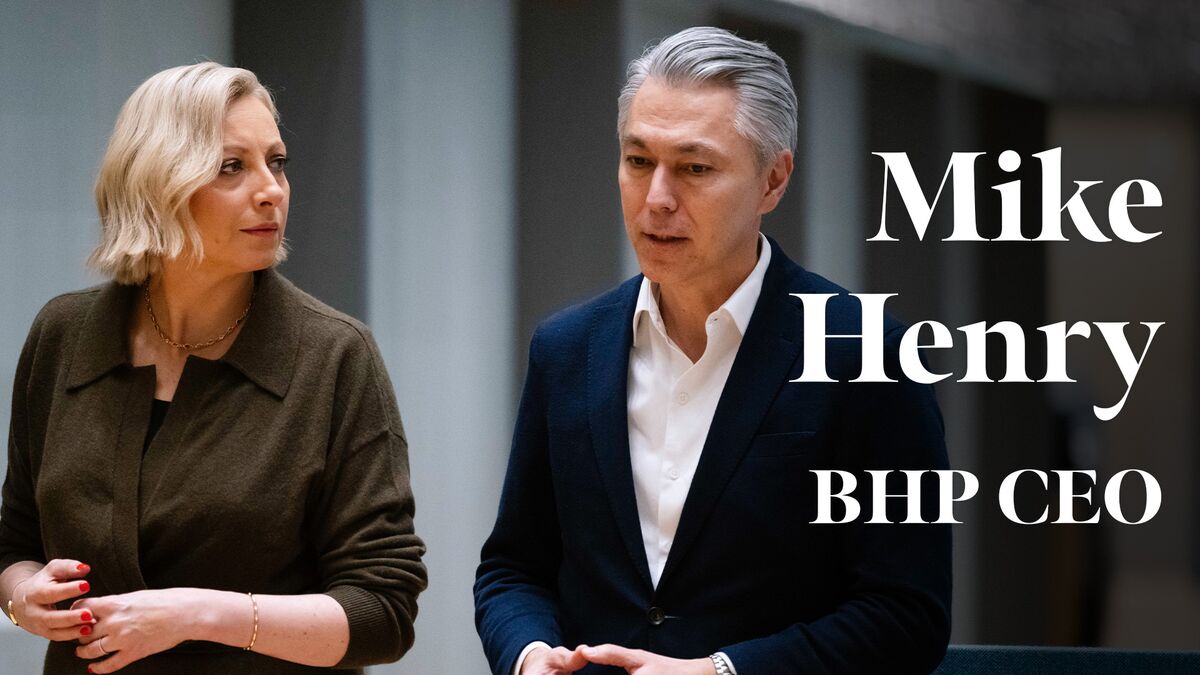
How Mike Henry Reshaped the World's Largest Mining Company
Bloomberg

Bloomberg
BusinessJun 22, 2026 · 1 min
US and Iran Make ‘Progress’, Aim to Keep Hormuz Open
Bloomberg

Philippine Daily Inquirer
BusinessJun 22, 2026 · 1 min
Hanoi to start building major rail project to boost public transport
Philippine Daily Inquirer
Bloomberg
BusinessJun 22, 2026 · 1 min
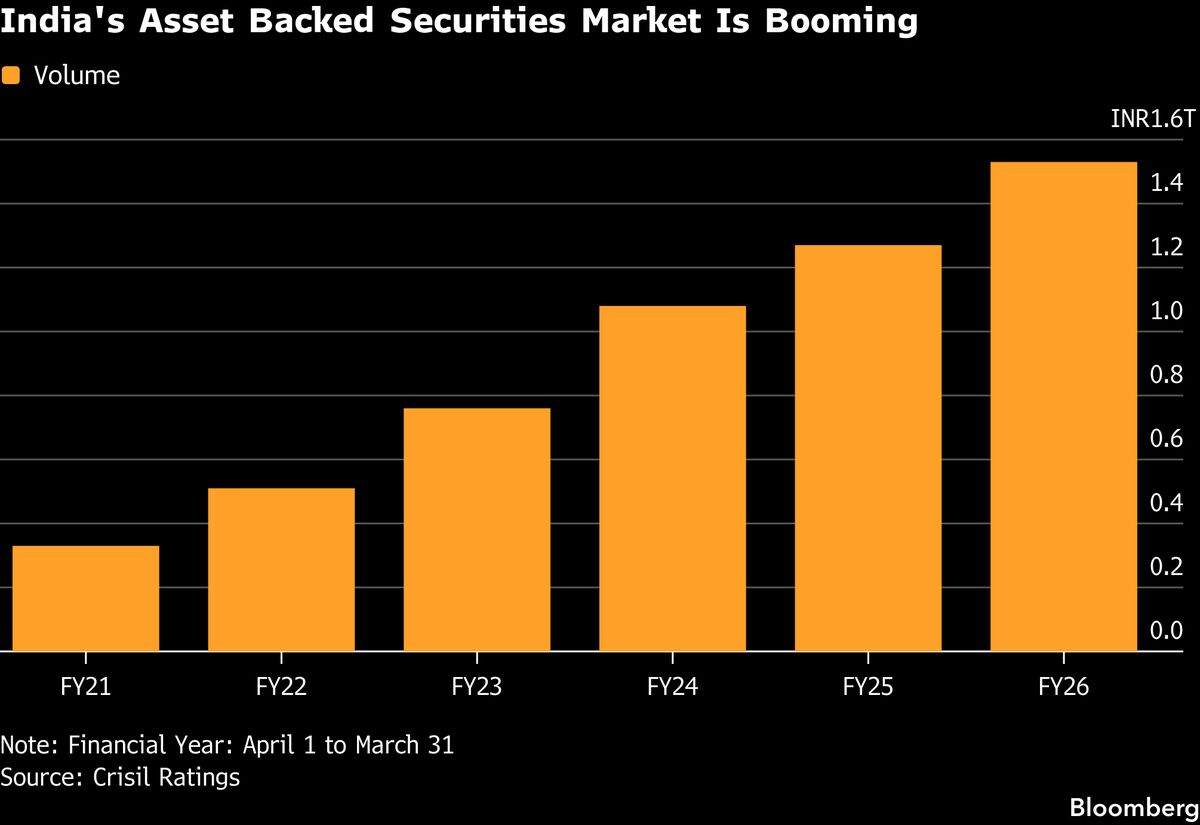
Global Banks Drive India Asset-Backed Securities Sales to Record
Bloomberg