Indian Express
Indian Express··4 min read
As higher ethanol-petrol blends loom, impact on older vehicles worries many
The Union government’s move to pave the way for higher ethanol-petrol blends, along with a proposal to recognise fuels containing up to 100 per cent ethanol, has raised concerns among vehicle owners in Pune, particularly those using older, non-E20-compliant vehicles, as well as recently bought vehicles.
Several vehicle owners say they have already been experiencing reduced mileage, starting trouble, and increased maintenance requirements since E20 fuel became the standard blend, and fear that a further increase in ethanol content could add to their costs.
Pratik Yelwande, a resident of Nighoje, said he began noticing issues with his motorcycle after E20 fuel became widely available in Pune. “I used to ride my old bike without any issues. But around January 2025, when the E20 fuel blend became standard in the city, I started experiencing mileage issues. During heavy rain, the bike would often struggle while running,” he said.
Frustrated by the recurring problems, Yelwande bought a new E20-compliant two-wheeler worth Rs 1.70 lakh in February this year. However, he is now worried about the possibility of even higher ethanol blends in the future.
“If the government plans to move to E25 or E30 fuel in the near future, how will my vehicle continue to perform efficiently? Additional maintenance costs will become a burden. The government should consider the challenges faced by existing vehicle owners before deciding on further transitions. Like Brazil, consumers should have the option of choosing fuel with a lower ethanol blend at petrol pumps,” he said.
Similar concerns were echoed by Sudhanwa Joglekar, a resident of Kothrud. “Since December 2024, I’ve been facing issues with my E20 non-compliant scooter’s mileage. During the rain in Pune last year, the engine abruptly stalled, and I had to park the vehicle midway. The cost of running the bike has increased because it now requires more frequent maintenance visits,” he said.
Mileage loss and starting trouble
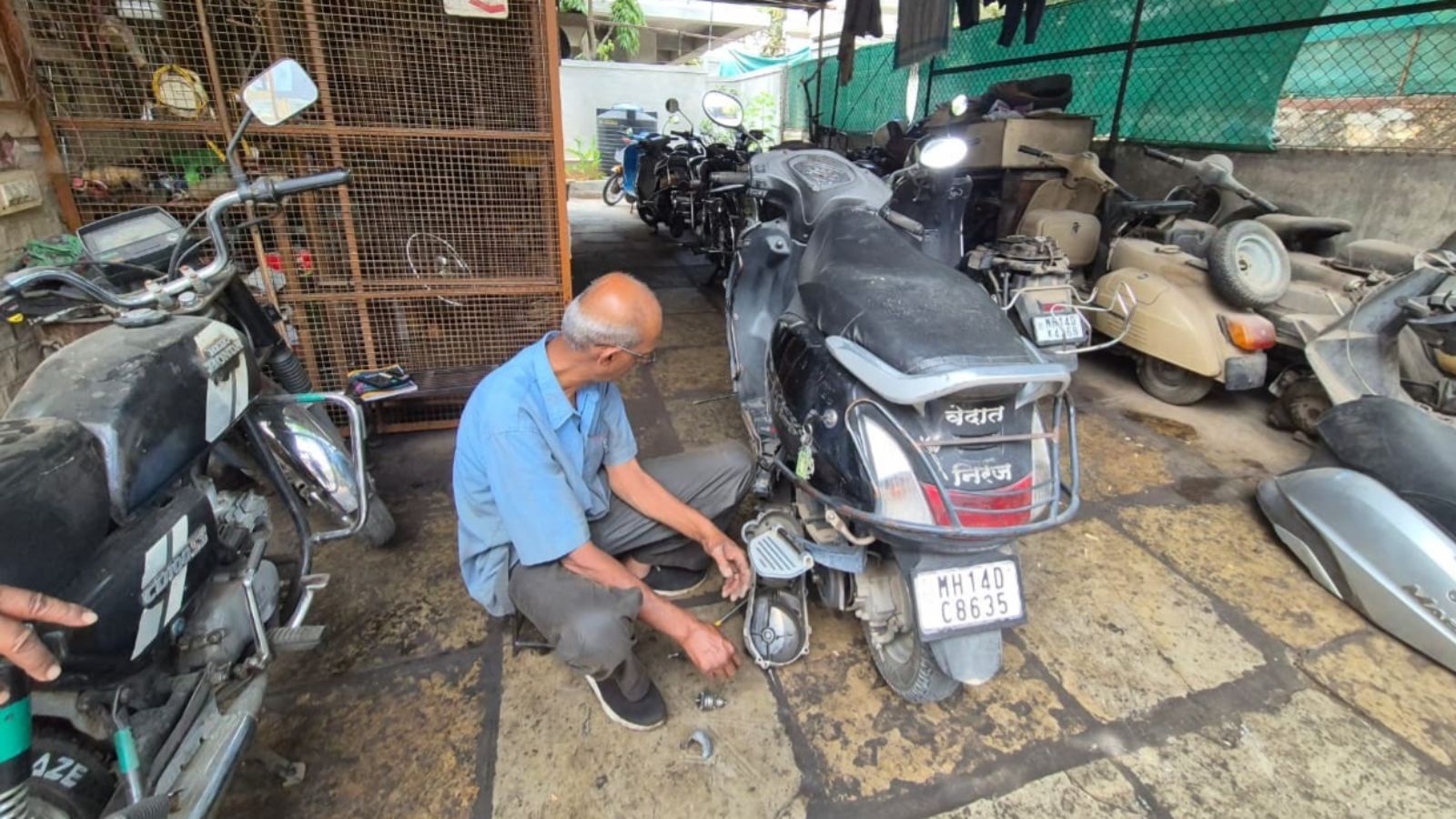
Mechanics across Pune say fuel-related complaints have become increasingly common. Milind Patil, a senior mechanic from Chinchwad, said he has noticed changes in vehicles arriving at his workshop after the adoption of E20 fuel.
Story continues below this ad
“Most vehicles coming to us have fuel-related complaints. After E20 fuel became common, I started noticing a white-coloured residue inside carburettors. This disrupts fuel flow and can cause engines to stop, especially when moisture or water comes into contact with the fuel system during rain. In such cases, we dismantle the carburettor and clean the residue,” he said.
Patil added that some vehicles also require engine retuning to maintain proper ignition timing and performance. “For older vehicles that are not E20-compliant, I think specially designed retrofit components could help bridge the compatibility gap,” he said.
Another senior mechanic, Jayanta Dengwekar, who has been running a garage in Nigdi for more than three decades, said complaints related to mileage and starting trouble have become common among two-wheeler owners.
“Since E20 fuel became standard, many customers have reported a drop in mileage of around 4 to 5 per cent. Vehicle starting issues are also common, especially in older two-wheelers. Carbon deposits build up on the inlet valves of vehicles manufactured before the BS-VI era. I often recommend fuel additives (oil pouches) to help clear deposits and improve fuel flow in vehicles that are not designed for E20 fuel,” he said.
Story continues below this ad
Vitthal Bhingare, a resident of Ravet, said he too has experienced recurring issues. “For the last one and a half years, my bike has often struggled to start in the morning, even during hot weather,” he said.
Concern over vehicles bought 5-10 years ago
Rohit Chothe, an IT professional based in Shahu Nagar, said, “Since the E20 petrol blend became the standard, I am facing a drop in my E20 non-compliant car’s mileage. I worry about the impact on my car beyond E20 blends. Fuel expenditure has increased since then. The government must tell how to manage vehicles that were purchased just 5-10 years ago.”
Vehicle users’ concerns come at a time when the Union government is signalling a gradual move towards higher ethanol blends. On June 10, the Centre exempted petrol containing 22 to 30 per cent ethanol from central excise duty, bringing it on par with E20 fuel. It has also proposed amendments to recognise E85 and E100 fuels under the Central Motor Vehicles Rules. Also, the tax exemption follows another step taken in May, when fuel specifications for E22, E25, E27, and E30 petrol were officially notified.
Industry stakeholders’ suggestions
Industry stakeholders have also highlighted the impact of ethanol blending on vehicle performance. Society of Indian Automobile Manufacturers (SIAM) Executive Director P K Banerjee said in August 2025, “Vehicle testing conducted by the industry found a mileage reduction of around 2 to 4 per cent depending on the vehicle.”
Story continues below this ad
The issue is particularly significant because mandatory production of E20-compatible vehicles began only in April 2023, meaning a substantial share of vehicles currently on Indian roads was designed before those standards came into effect.
BMW Group India President and CEO Hardeep Singh Brar, while launching the new E25-compliant MINI car, said on June 17, “Vehicles currently on the road cannot simply be upgraded to support higher ethanol blends like E30”. He also stressed that government agencies should provide adequate lead time before introducing new fuel mandates so that original equipment manufacturers can undertake engineering changes, validation testing, and regulatory compliance without adversely affecting existing vehicle owners.
View original source — Indian Express ↗
Related stories

The Punch
NewsJun 22, 2026 · 1 min
LAUTECH doctors urge Makinde to disburse training fund, pay arrears
The Punch
The Punch
PoliticsJun 22, 2026 · 1 min
S’Korea ex-justice minister jailed 25 years over martial law disaster
The Punch
The Punch
PoliticsJun 22, 2026 · 1 min
South-West APC hails Ekiti voters over Oyebanji’s re-election
The Punch
The Punch
NewsJun 22, 2026 · 1 min
You were my anchor when my mother died, Alex Ekubo’s wife pens tribute
The Punch