
ZDNet
Worried about Fox buying Roku? Here are three popular concerns - and why I'm optimistic
Follow ZDNET: Add us as a preferred source on Google.
ZDNET's key takeaways
Fox will purchase Roku for $22 billion.
The deal has users concerned, but they shouldn't be.
The new company will be the third largest by TV viewership.
One of the biggest streaming deals this year is in the works between Fox and Roku, and some people have concerns. As a dedicated Roku user, I was on the fence at first, too, but now I'm more optimistic.
If you missed the news, Fox is poised to purchase Roku for $22 billion. The deal won't close until next year, but the combined company will be the third-largest in TV viewership, bringing together the most popular smart TV OSes with one of the biggest names in entertainment.
Also: Your Roku has hidden settings and menu screens - here's how to unlock them
Anthony Wood, founder, chairman, and CEO of Roku, called the combination with Fox "an extraordinary opportunity to accelerate our vision, scale faster and innovate more aggressively for viewers, partners and advertisers."
Meanwhile, Lachlan K. Murdoch, executive chair and CEO of Fox Corporation, speaking about his company's success in the streaming market, noted how Fox made Tubi "one of the most successful businesses in streaming."
Also: I started clearing my Roku cache, and it fixed my biggest TV complaint
So, what's the problem? Some streaming customers are worried that Roku might become a billboard for Fox content, that the company might wall itself off from other streaming apps, or that existing services might suffer. After spending some time combing through the news and speaking to someone in the know, I believe the merger might not be a disaster for Roku users.
Let's address three popular concerns about the merger to allay some customer fears.
1. Roku might lose its neutrality
Roku is a neutral smart TV OS that's not tied to a media giant. One of the things I like most is that its platform hosts nearly every streaming app imaginable and doesn't prefer one service over another. Fox pledged to keep Roku as an "open, partner-friendly platform" in its announcement.
But will the home screen, which provides valuable advertising real estate, be tilted away from competitors, for example, during the NFL season to advertise Fox games or toward Fox content exclusively during election season? Also, will the algorithms start to favor Fox content in trending sections?
Also: Every Roku user should know these 15+ shortcuts that unlock the system's best features
Streaming media expert Dan Rayburn suggested to ZDNET that Fox is looking to purchase Roku, in part, because of the revenue the company creates.
While the new Roku might have more Fox advertising, the post-merger platform isn't likely to de-prioritize anyone's content, just like Roku doesn't avoid anyone's content now that pays to advertise.
2. Competitors might swerve Roku
Big brands, such as Netflix and Amazon Prime, are too big to leave Roku entirely, so I was never worried about losing apps from the platform. However, some of these brands could start to become more twitchy about tight cooperation in an era of increased competition following the merger.
I could imagine a scenario where users see messages like: "For the best experience, download our app on Apple TV, Google TV, or Amazon Fire TV," when they sign up for a service. Another scenario might be that developers slow updates for Roku, leading to sluggish performance, or streaming brands might lock their premium features, such as Dolby Vision, behind other services.
Also: How to turn your old Android phone into a streaming stick for free - in 6 easy steps
However, Rayburn pointed to Roku's revenues -- $613 million for this year's first quarter -- and suggested that a company bringing in that kind of money is unlikely to shut down its revenue streams suddenly.
Excluding other streaming apps would be a huge inconvenience for Roku users. Post-merger, it's unlikely Roku will opt to alienate its customers or streaming partners.
3. Existing services might suffer
With hundreds of free channels, The Roku Channel is a big player in the free ad-supported streaming TV (FAST) market. Tubi, owned by Fox, is perhaps the biggest name in that marketplace. I use both services, saving money on streaming by combining them with rotating paid offerings.
However, some users have voiced concerns that the new Fox-owned Roku might combine resources and unite the two FAST services, alienating one customer base.
Also: Your TV's RS-232 port is a powerful automation tool - how to unlock it (and what it can do)
Speaking on a recent investor call (per Yahoo Finance), Murdoch said the plan was to keep both. He called Roku and Tubi two "incredibly complementary services," and added: "It's too early to say, but our expectation is fully that you keep the services separate."
Murdoch suggested the overlap between the two services is only about one-third of viewership. Rayburn said it's important to recognize that Roku isn't a struggling company having a fire sale. The existing customer base and revenue are part of Roku's appeal to Fox. In fact, customers could see Roku go out and acquire additional content now that it has more financial backing.
Conclusion: Reasons to be hopeful
Rayburn concluded by saying, "I see no negative impact here to consumers," and I'm inclined to agree. Some Roku customers might be concerned by the prospect of the brand being owned by one of the bigger names in the industry. However, on the user side, whether it's service provision or new potential content sources, there are reasons for optimism.
View original source — ZDNet ↗
Related stories
TechRadar
TechnologyJun 22, 2026 · 1 min
The Echo Dot 5th Gen is the best way to take advantage of Alexa+ for cheaper this Prime Day
TechRadar

TechRadar
TechnologyJun 22, 2026 · 1 min
Sonic Team head on where the franchise will be in another 35 years — 'Iizuka-san does not think he's going to be alive'
TechRadar
TechRadar
TechnologyJun 22, 2026 · 1 min
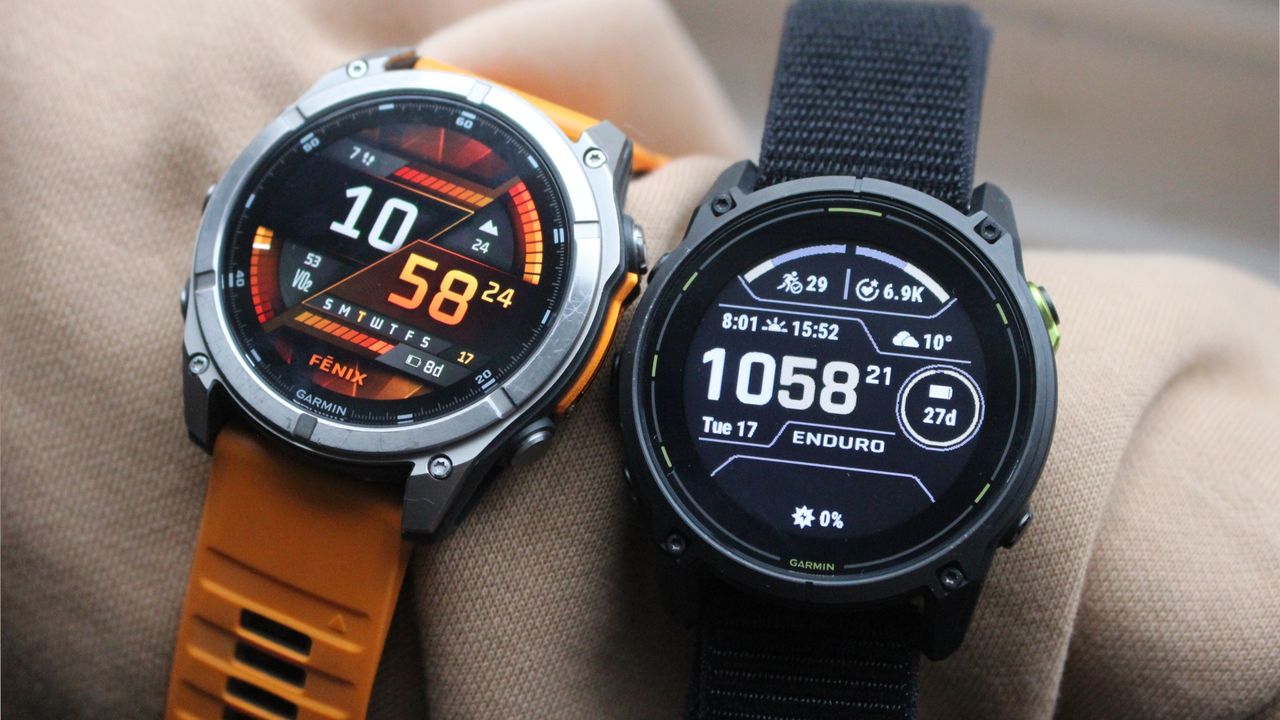
The Garmin Fenix 8 is as cheap as it's ever been
TechRadar
TechRadar
TechnologyJun 22, 2026 · 1 min
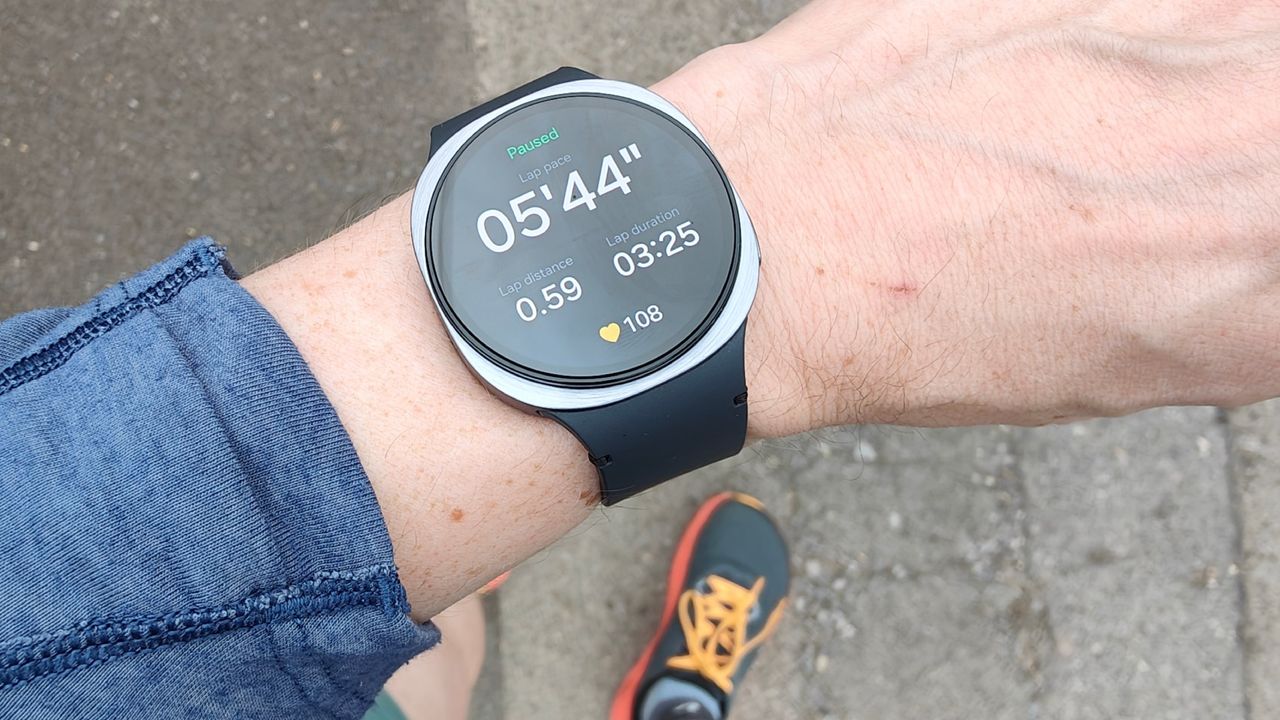
Got a Samsung phone? This is my highest-rated Samsung Galaxy Watch, and you should look out for it on Prime Day
TechRadar