The Next Web
Prosper AI raises $30M from a16z to automate the patient journey
Most of what makes American healthcare expensive happens before a doctor is ever in the room, and after. Someone schedules the appointment, confirms the insurance, works out what the patient owes, and chases the payer when a claim stalls. It is slow, fragmented work, and by most estimates it wastes hundreds of billions of dollars a year. Prosper AI has now raised $30mn to put a fleet of AI phone agents on the job.
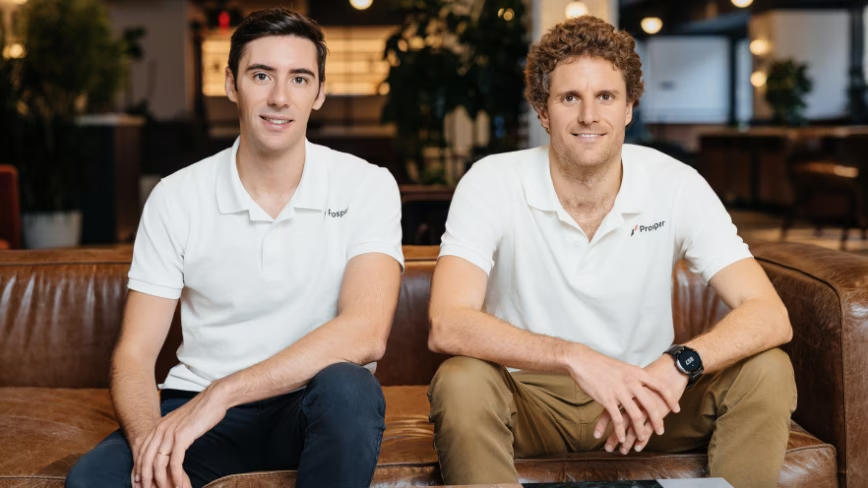
The Series A was led by Andreessen Horowitz, with Base10 joining and existing backers Emergence Capital, Y Combinator, and Company Ventures returning. Prosper, founded in 2023 by MIT and Harvard alumni Xavier de Gracia and Josep Mingot and based across Madrid and New York, raised a $5mn seed round only last September, which gives a sense of how fast the company says it is moving. Since that round, it claims to have grown revenue fivefold and added more than 40 healthcare organisations as customers.
The pitch is that scheduling was only ever the first step. Where the first wave of healthcare voice AI stopped at booking an appointment, Prosper says its platform answers patient calls, schedules directly inside the electronic health record, verifies insurance benefits, automates billing, and phones insurers when a claim needs more information.
The company frames this as managing both the patient and the payer side of every appointment, from the first call through to reimbursement, and says it lowers providers’ administrative costs by more than 40 per cent.
The market it is chasing is large and well documented. Independent research puts the cost of billing- and insurance-related administration in US healthcare somewhere between $400bn and $496bn a year, so the company’s “+$450bn” framing of the waste sits comfortably in range.
The 💜 of EU tech
The latest rumblings from the EU tech scene, a story from our wise ol' founder Boris, and some questionable AI art. It's free, every week, in your inbox. Sign up now!
The harder part is the fragmentation: scheduling, verification, and billing have long lived in separate systems run by separate teams, which is precisely the seam Prosper is trying to close.
The company lists some recognisable customers. They include the PE-backed dermatology group Preferred Dermatology, Jackson Memorial Hospital in Florida, and, on the technology side, Athenahealth, one of the largest ambulatory EHR platforms in the US, and ImagineSoftware, which says it processes over $65bn in claims a year.
Prosper says Athenahealth and ImagineSoftware both selected it after side-by-side evaluations against competing platforms, and that it now wins around 80 per cent of the competitive evaluations it enters, a figure that is the company’s own.
For a16z, the appeal is the land-and-expand pattern. “Providers would deploy Prosper AI for scheduling, then quickly ask them to take on insurance verification, then billing, and so on,” said Jay Rughani, a partner at the firm.
“That pull-through only happens when your technology can consistently guide patients through the care journey end-to-end.” The bet sits inside a busy arc we have tracked, from a16z-backed Telepatia in Latin America to the broader scramble around enterprise AI ‘teammates’.
Prosper says the new money will go toward expanding its engineering and customer teams and deepening integrations with the largest EHR platforms. The longer-term aim, in the words of co-chief executive de Gracia, is “a single platform capable of managing the workflows that determine whether care happens and whether providers ultimately get paid.”
View original source — The Next Web ↗
Related stories
TechRadar
TechnologyJun 22, 2026 · 1 min
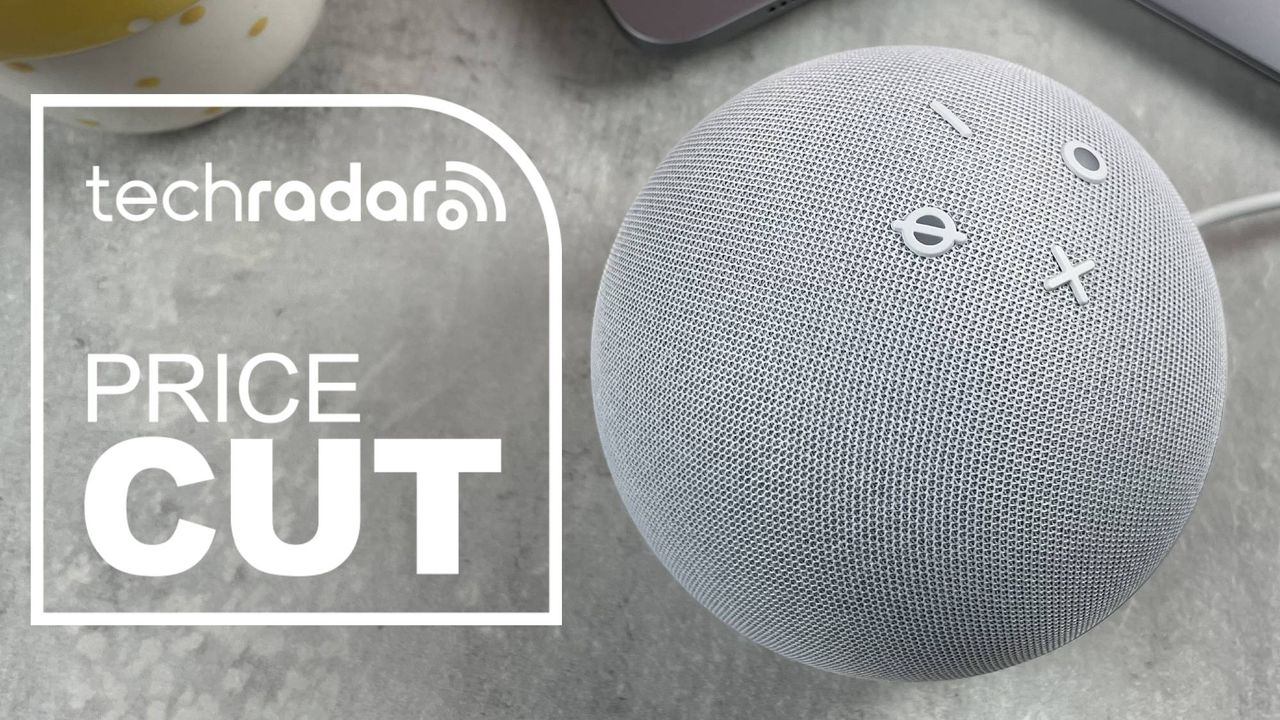
The Echo Dot 5th Gen is the best way to take advantage of Alexa+ for cheaper this Prime Day
TechRadar
TechRadar
TechnologyJun 22, 2026 · 1 min
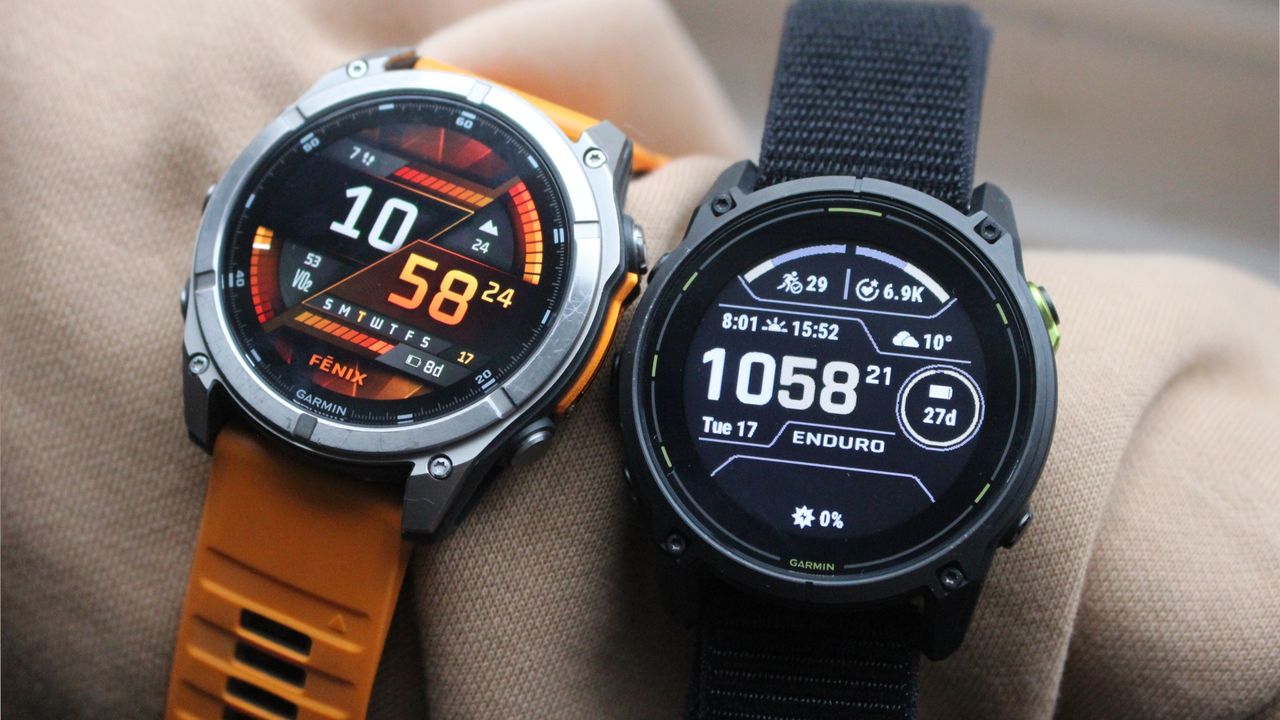
The Garmin Fenix 8 is as cheap as it's ever been
TechRadar

TechRadar
TechnologyJun 22, 2026 · 1 min
Sonic Team head on where the franchise will be in another 35 years — 'Iizuka-san does not think he's going to be alive'
TechRadar
TechRadar
TechnologyJun 22, 2026 · 1 min
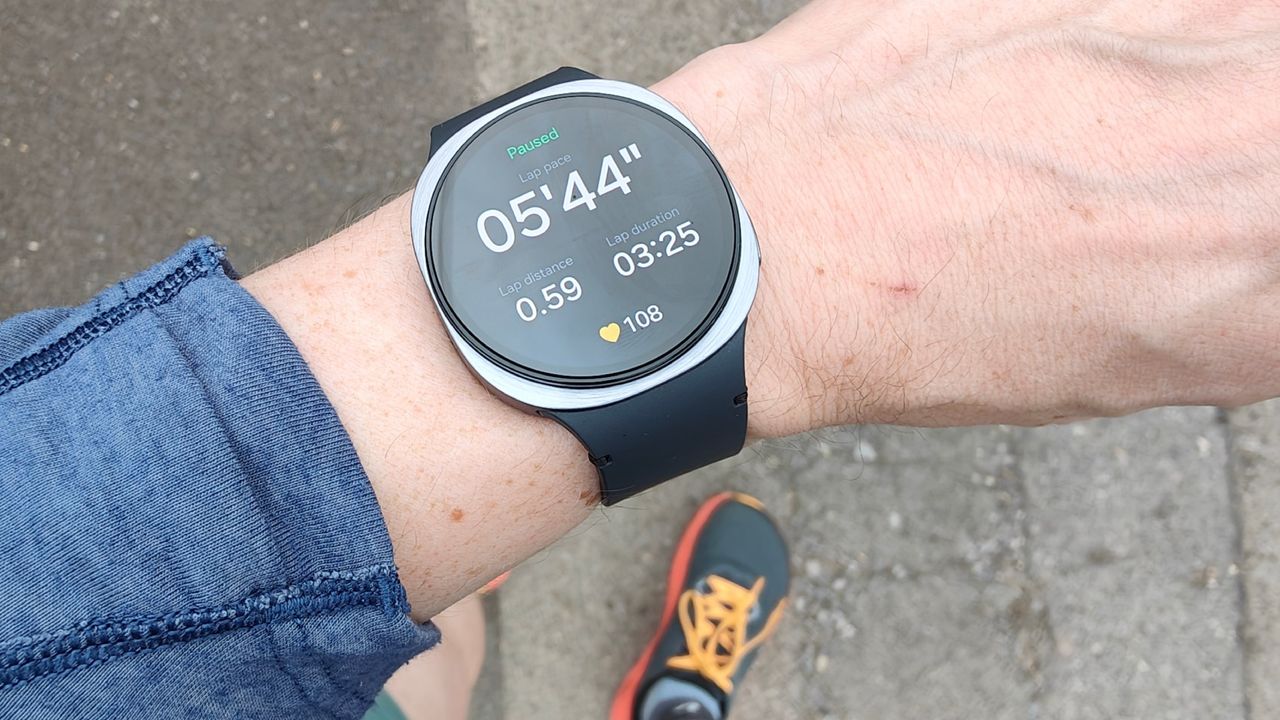
Got a Samsung phone? This is my highest-rated Samsung Galaxy Watch, and you should look out for it on Prime Day
TechRadar