
TASS
Israel’s position could derail US-Iran deal — expert
MOSCOW, June 22. /TASS/. The main factor that could derail the process of reaching an agreement between the US and Iran is Israel’s stance, political expert Pavel Timofeyev told TASS.
"The negotiations on the future agreement are certainly not expected to be easy. And the main factor undermining the entire process has been Israel’s position. [Israeli] Prime Minister Benjamin Netanyahu immediately announced the Israel Defense Forces’ readiness to continue military operations in Lebanon regardless of the US position. Just yesterday, on June 21, he reaffirmed that the Israeli army will maintain a military presence in southern Lebanon regardless of the outcome," he noted.
Timofeyev added that almost immediately after the signing of the memorandum of understanding, questions arose about its viability. "Swiss broadcaster RTS rightly noted: for [US President Donald] Trump, who once criticized the Joint Comprehensive Plan of Action (JCPOA), the challenge is to prove that he can secure a better deal than [former US President] Barack Obama. So far, this prospect remains hypothetical. The issue here is not only that what we have before us is not a treaty, but rather, a memorandum marking the start of negotiations without guaranteeing their conclusion. The main issue is that some of the commitments outlined in the text are difficult to fulfill within the specified timeframes, such as negotiations on Iran’s nuclear program and an agreement on a mechanism for Iran’s economic recovery. Others depend largely on external factors, such as ensuring peace in Lebanon, lifting US sanctions, and unfreezing Iranian assets. Still others have been left out of the equation altogether, such as Iran’s missile program," the expert pointed out.
"Observers rightly note that the 2015 JCPOA deal, from which Trump withdrew, took two years to negotiate among the six signatory (Russia, the US, China, the UK, France, and Germany) had spent two years negotiating, and the promised $300 billion economic recovery plan for Iran bears a striking resemblance to the US president’s promises to turn devastated Gaza into a ‘flourishing Middle Eastern Riviera.’ And the politicians themselves - including Trump and [French President Emmanuel] Macron - have made it clear that an end to the war is not guaranteed. The problem here is that the stability of the agreement also depends on external factors and actors. The tension became apparent immediately," Timofeyev emphasized.
Memorandum and talks
On June 17, the US and Iran signed a memorandum of understanding calling for an immediate cessation of hostilities on all fronts, including in Lebanon. A formal signing ceremony was initially scheduled to take place in Switzerland’s Burgenstock on June 19. However, it was announced in the early morning hours of June 18 that the document had been signed remotely by the parties involved. According to media reports, US leader Donald Trump personally signed a copy of the agreement during a dinner with the French president at the Palace of Versailles. The signatory for Iran was President Masoud Pezeshkian.
On June 21, the US and Iran held talks in Switzerland’s Burgenstock, with Qatar and Pakistan acting as mediators, to discuss the implementation of the memorandum of understanding. According to a joint statement by Pakistan and Qatar after the first round of talks concluded, the meeting between Iranian and US representatives took place in a positive and constructive atmosphere. Encouraging progress was made, including establishing a foundation for further technical negotiations.
Related stories
TechRadar
TechnologyJun 22, 2026 · 1 min
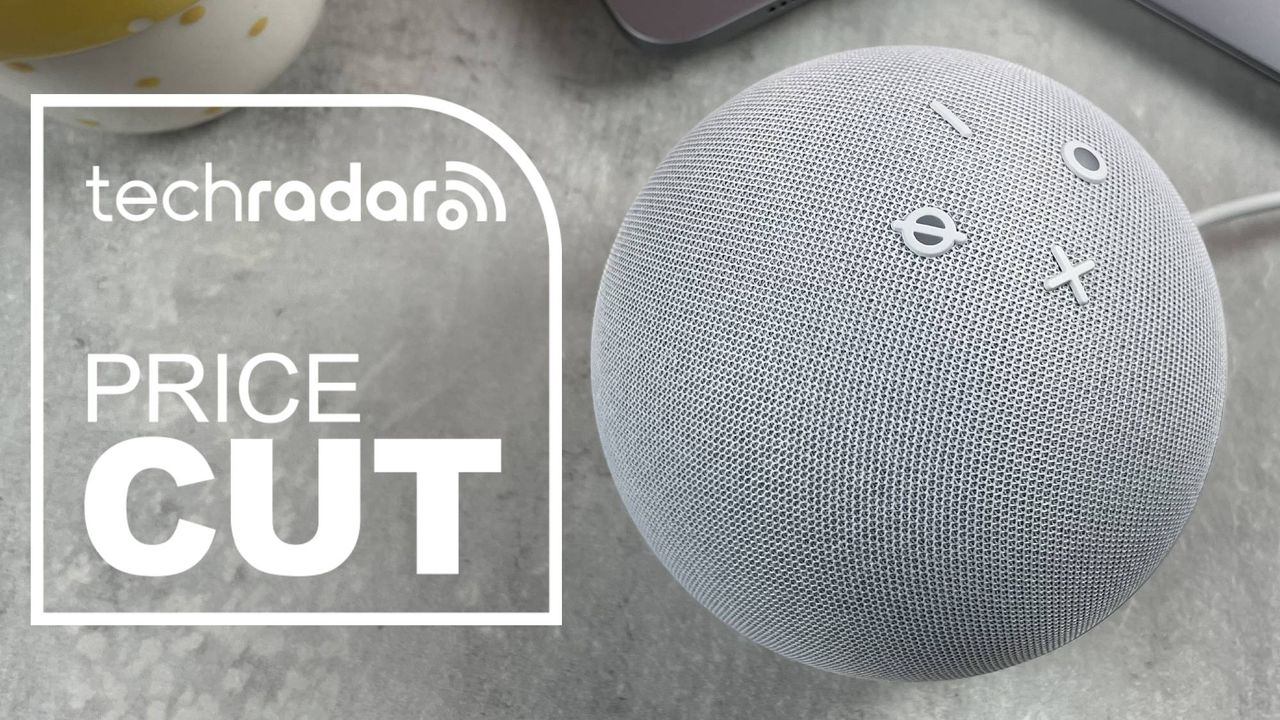
The Echo Dot 5th Gen is the best way to take advantage of Alexa+ for cheaper this Prime Day
TechRadar
TechRadar
TechnologyJun 22, 2026 · 1 min
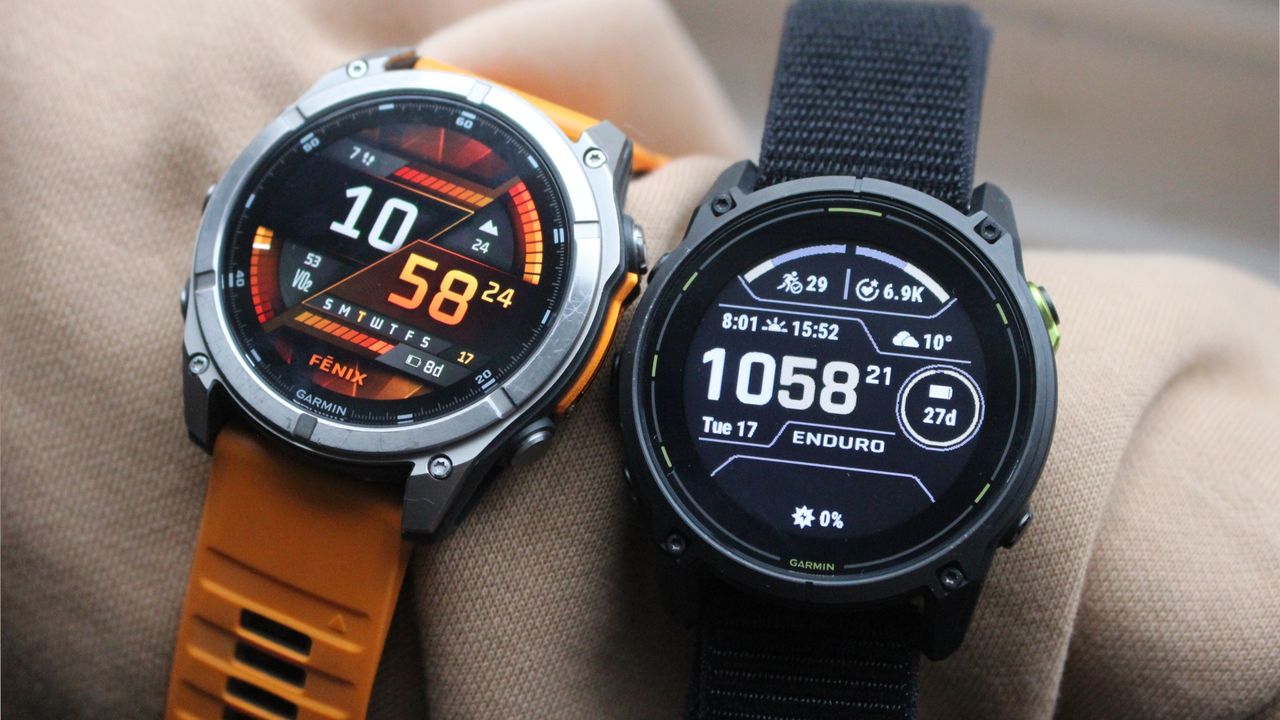
The Garmin Fenix 8 is as cheap as it's ever been
TechRadar

TechRadar
TechnologyJun 22, 2026 · 1 min
Sonic Team head on where the franchise will be in another 35 years — 'Iizuka-san does not think he's going to be alive'
TechRadar
TechRadar
TechnologyJun 22, 2026 · 1 min
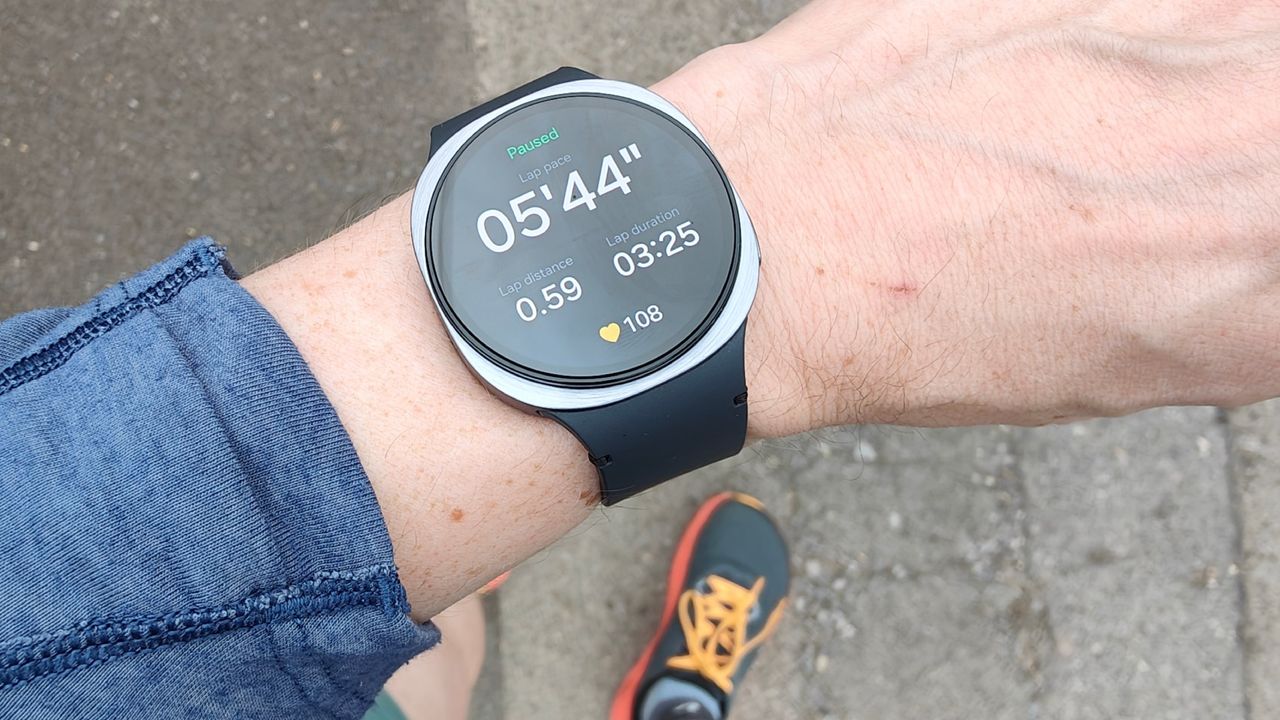
Got a Samsung phone? This is my highest-rated Samsung Galaxy Watch, and you should look out for it on Prime Day
TechRadar