
Rio Times
Brazil’s Banks Turn to Mexico After US Brands Its Gangs Terrorists
Business · Brazil
Key Facts
—The move. Brazilian banks have quietly reached out to peers in Mexico for advice on a new American rule.
—The trigger. Washington has labelled Brazil’s two biggest crime groups, the PCC and Comando Vermelho, terrorist organizations.
—First-ever. They are the first Brazilian groups ever placed in the same legal category as ISIS and al-Qaeda.
—The exposure. Any payment touching the American financial system can pull a Brazilian bank under United States law.
—The warning. In Mexico, three banks were cut off from the American system after a similar designation.
—The stakes. A compliance slip could now cost a lender its lifeline to the world’s main reserve currency.
Brazil banks are studying how their Mexican counterparts coped when Washington turned organized crime into a terrorism problem, because the same rules now hang over them.
When the United States decides a foreign crime group is a terrorist organization, the shockwaves do not stop at the police. They run straight into the banking system.
That is why lenders in Brazil have started a quiet conversation with their counterparts in Mexico, who lived through the same shift a year earlier.
Why Brazil banks are calling Mexico
Industry representatives in Brazil have reached out to consultants and banks active in Mexico in recent weeks, according to a Bloomberg report citing people familiar with the talks.
They are hunting for practical know-how. The main question is how to spot clients who might be linked, even indirectly, to a newly designated group, and how to document that they tried.
The trigger was a decision in Washington. The State Department designated the Primeiro Comando da Capital and the Comando Vermelho as terrorist organizations, with the measure taking full effect in early June.
These are the first Brazilian organizations ever placed on that list. It puts two domestic crime groups in the same legal bracket as ISIS and al-Qaeda, a status lawyers call unprecedented for the country.
What the Mexico precedent teaches Brazil banks
Mexico is the cautionary tale. After Washington labelled major Mexican cartels in early 2025, its financial-crime unit moved against three lenders accused of handling tainted money.
The consequences were swift. Those banks were effectively cut off from the American financial system, a penalty that can cripple any institution that needs to move dollars.
That is the heart of the risk. The American material-support law reaches conduct anywhere in the world once a transaction touches the United States, including ordinary dollar payments.
The bar is also low. A bank does not need to intend to help a crime group; ignoring obvious red flags about a client can be enough to create legal exposure.
The earlier designation also widened the net. It was no longer just about frozen accounts, but about a far broader idea of support that can include services, advice and everyday financial dealings.
American courts can reach abroad. The same law allows United States citizens to sue companies they accuse of helping a designated group, even when the alleged help was indirect and routed through other parties.
That breadth is what worries the lawyers. It pulls in conduct that firms once treated as a purely local security cost, rather than a matter for American prosecutors.
Why the Brazil banks story matters for investors
The exposure is not theoretical. A Brazilian operation last year alleged the PCC had embedded itself in the fuel trade, controlling more than a thousand petrol stations and tens of billions of reais in sales.
For any company with American investors or dollar flows, that turns a local security problem into a compliance one. The cost of screening clients and suppliers is about to rise across the economy.
There is friction too. Brazil’s government has objected to the designation, arguing the groups are profit-driven criminals and that American law should not reach so far into its economy.
The forward signal is the bank that prepares early. The Mexican experience suggests the firms that survive best are those whose controls are credible before the pressure arrives, not assembled in haste afterwards.
Frequently Asked Questions
Why are Brazil banks studying Mexico?
Mexico went through the same shift a year earlier, when the United States labelled its cartels terrorist organizations. Brazilian lenders want practical advice on screening clients and avoiding the penalties that hit some Mexican banks.
What did the United States actually do?
The State Department designated Brazil’s two largest crime groups, the PCC and the Comando Vermelho, as terrorist organizations. The measure took full effect in early June and is the first such listing for Brazilian organizations.
Why does this matter for Brazil banks and investors?
American law can reach any transaction that touches the United States, including dollar payments. In Mexico, three banks were cut off from the American system, so a compliance slip could now threaten a Brazilian lender’s access to dollars.
The Rio Times · Power Map
See who really holds power in Latin America
Click to open the Power Map →
View original source — Rio Times ↗
Related stories

The New York Times
BusinessJun 22, 2026 · 1 min
Warsh Looks to Greenspan in Designing Approach to Fed Chairmanship
The New York Times
CNA
BusinessJun 22, 2026 · 1 min
Google DeepMind signs AI research deal with film studio A24
CNA
Bloomberg
BusinessJun 22, 2026 · 1 min
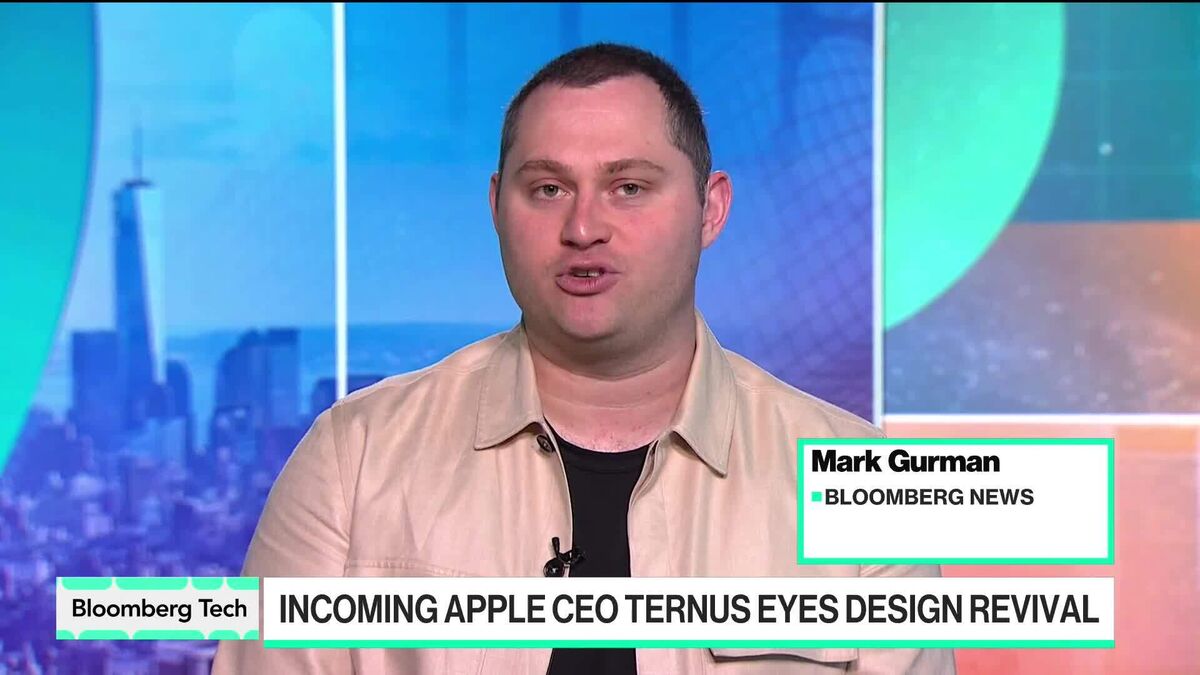
Apple’s New CEO Must Restore Company’s Design Edge: Power On
Bloomberg
Bloomberg
BusinessJun 22, 2026 · 1 min
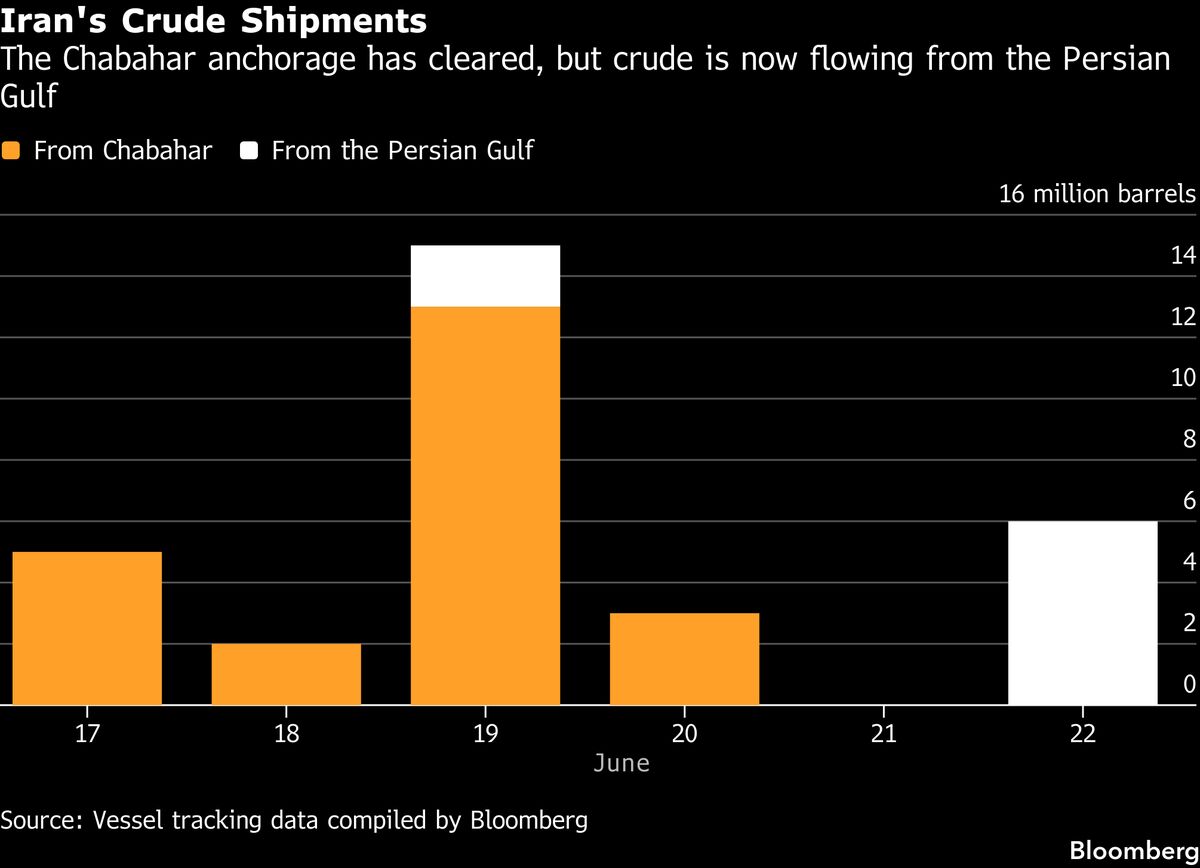
Iran Shipped 30 Million Barrels of Oil in Week Before US Waiver
Bloomberg