Times of Israel
Times of Israel··3 min read
US Supreme Court restores conviction in 1979 Etan Patz NYC murder case
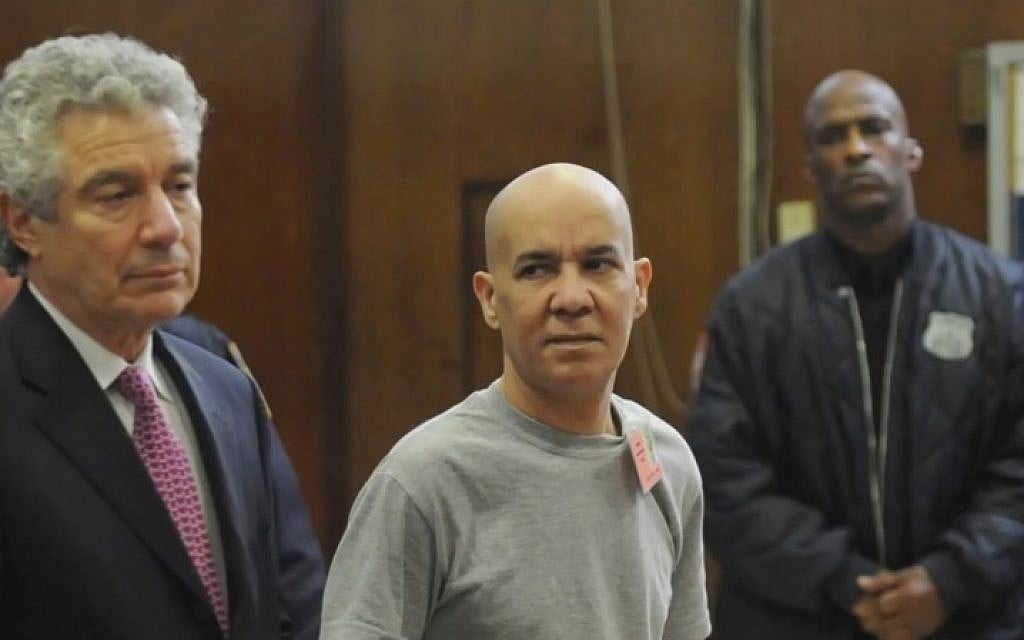
Reuters — The US Supreme Court on Monday reinstated the 2017 murder conviction of a man in the 1979 disappearance of a 6-year-old Jewish boy, Etan Patz, in New York City, one of the most notorious US missing-child cases.
The justices in a 6-3 ruling granted a request by Manhattan District Attorney Alvin Bragg to overturn a lower court’s decision that threw out a jury’s verdict that former local delicatessen worker Pedro Hernandez kidnapped and murdered Patz.
The Supreme Court’s 10-page ruling, powered by its conservative majority, was unsigned. The court’s three liberal justices dissented from the decision.
“Today the Supreme Court agreed with the findings of multiple lower courts and upheld the trial conviction of Pedro Hernandez for the horrific murder of Etan Patz, which changed a generation of New Yorkers. This office has remained steadfast in its pursuit of justice for Etan and the Patz family, and will continue to stand by this important conviction,” Bragg said in a statement.
Monday’s ruling means Hernandez, who has remained in jail at the Elmira Correctional Facility in New York, will be eligible for parole in 2037.
Get The Times of Israel's Daily Edition
by email and never miss our top stories
By signing up, you agree to the terms
Patz vanished in 1979, as he walked alone for the first time to a school bus stop in the Soho neighborhood of Manhattan, and was never found. The boy became one of the first missing children whose faces would become ubiquitous as emblems printed on the sides of milk cartons to publicize their disappearance in hopes of generating investigative tips.
Police arrested Hernandez in 2012 after getting a tip that he had confessed to the crime at a church group decades earlier. Hernandez then confessed to police that he lured Patz to the basement of the Soho deli where he worked, strangled him, and dumped his body in an alley.
Hernandez’s defense attorneys argued that Hernandez was mentally ill and his confession was coerced by the police.
The defense also sought to blame the murder on Jose Ramos, who dated a Patz family babysitter and was long considered the prime suspect. Ramos, who died in March of this year, served a lengthy prison term after being convicted of sexually abusing boys.
Hernandez, now in his mid-60s, was first tried in 2015. That jury was unable to reach a verdict because of a lone holdout juror who had doubts about the defendant’s guilt. At his second trial, two years later, Hernandez was found guilty of kidnapping and murdering Patz, and was sentenced to a prison term of 25 years to life.
But the Manhattan-based 2nd US Circuit Court of Appeals overturned Hernandez’s conviction in 2025, ruling that the trial judge had incorrectly instructed the jury and thus swayed the verdict against the defendant.
The Supreme Court on Monday ruled that the 2nd Circuit’s action violated a 1996 federal law that places limits on the power of federal courts to grant relief to prisoners convicted in state courts.
Hernandez initially admitted to the crime without being advised of his so-called Miranda rights to avoid self-incrimination and to have an attorney present. Then, after Hernandez was read his rights and had agreed to waive them, he was videotaped twice making statements of confession.
On the second day of deliberations in the 2017 trial, the jury sent a note to Justice Maxwell Wiley, the judge in the case, asking whether jurors must disregard the two videotaped confessions if they concluded that the initial, non-Mirandized one was involuntary.
The judge wrote back: “The answer is no,” which the 2nd Circuit ruled was improper and “manifestly prejudicial.”
The anniversary of Patz’s disappearance, May 25, is still commemorated as National Missing Children’s Day.
View original source — Times of Israel ↗
Related stories

BBC Sport
SportsJun 22, 2026 · 1 min
Derry City are off to the Tallaght Stadium to take on Shamrock Rovers
BBC Sport

The Punch
NewsJun 22, 2026 · 1 min
One injured as IED under vehicle explodes in Lagos market
The Punch

ESPN
SportsJun 22, 2026 · 1 min
Sources: Young to ink $212M deal with Wizards
ESPN
The Punch
NewsJun 22, 2026 · 1 min
Gombe reclaims SDP national secretariat after INEC recognition
The Punch