Indian Express
Indian Express··3 min read
Panchkula MC-IDFC First Bank scam | Haryana IAS officer sent to judicial custody after CBI says ‘not cooperating’ with…
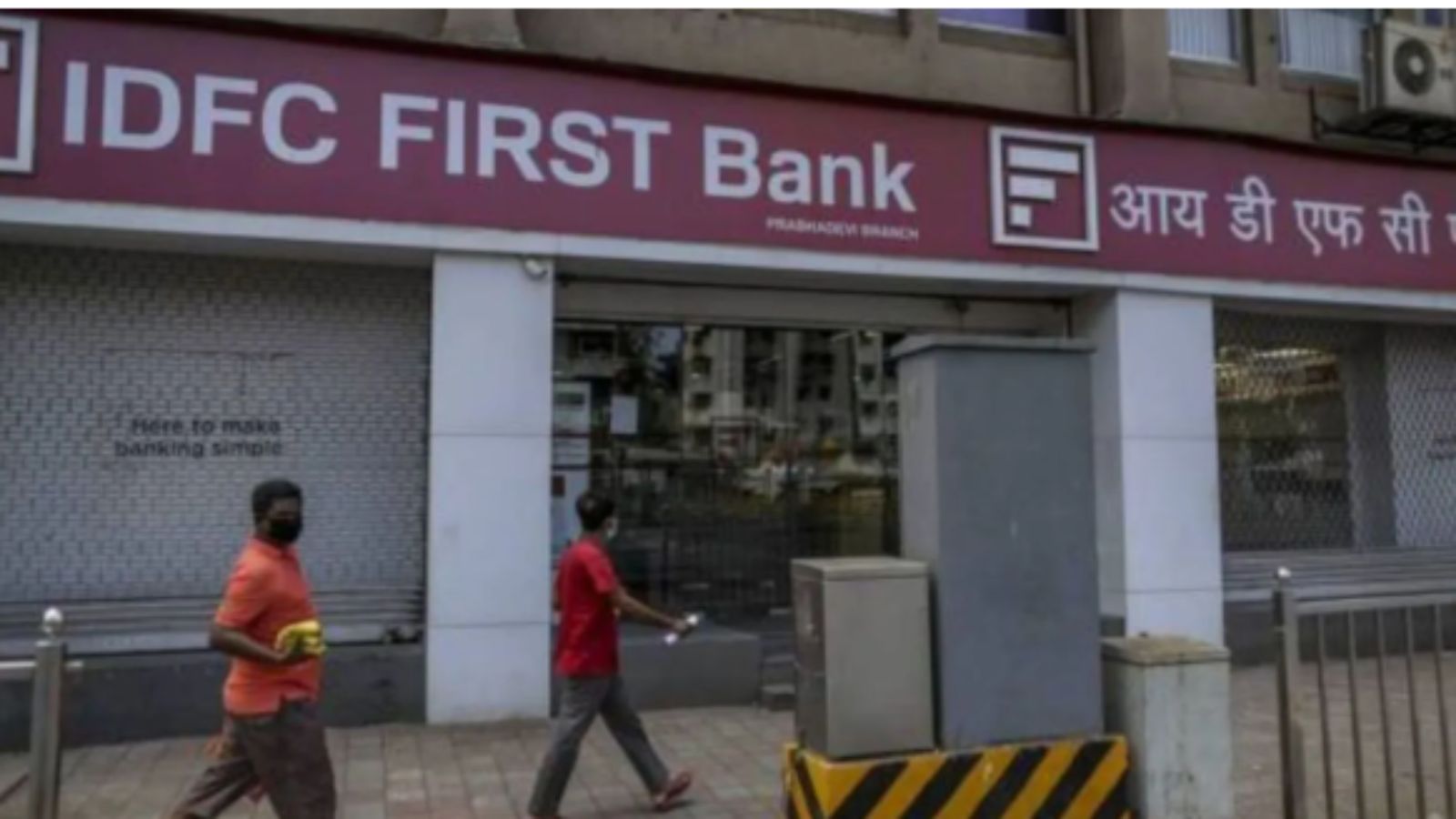
A local court on Monday remanded former Panchkula municipal corporation commissioner Ram Kumar Singh in judicial custody in connection with the Rs 79.46-crore fraud linked to the larger Rs 590-crore IDFC First Bank scam after the Central Bureau of Investigation (CBI) submitted that he did not cooperate with the inquiry and that some digital evidence and proceeds of crime were yet to be recovered.
Singh and former development and panchayats department superintendent Prince Sharma were produced before the court of Amit Sharma, Additional Sessions Judge-cum-Vacation Judge, Panchkula, upon completion of their three-day remand. The former civic body commissioner was arrested on June 18 in connection with the alleged misappropriation of government funds worth Rs 79.46 crore from the Panchkula civic body’s account maintained at the Sector 32 branch of IDFC First Bank in Chandigarh.
The central agency informed the court that Singh — the first Haryana-cadre IAS officer arrested in the case — was confronted during custodial interrogation with a series of digital and documentary evidence linked to the alleged diversion of government funds, including opening an IDFC First Bank account, fixed deposit transactions, communications with co-accused persons, and routing money through shell entities.
In its application for the 14-day judicial custody of the accused, the CBI informed the court that its investigation had revealed the IAS officer’s role in the fraud when he was the municipal corporation commissioner and the commissioner of the Kalka municipal council.
According to the application, CBI investigators confronted the accused with evidence relating to opening a new account in IDFC First Bank Panchkula’s Sector 32 branch, the process of calling quotations for fixed deposits, and SMS alerts received on registered mobile numbers linked to the accounts. The accused were also questioned about the steps allegedly taken after learning of the fraudulent transactions and account statements received on registered mobile numbers.
The agency further claimed that digital evidence indicated that money was delivered by carriers, and sought explanations regarding where the alleged ill-gotten funds were ultimately parked. Both accused were questioned about their communications with co-accused people and, significantly, the deletion of related data from their mobile devices.
The CBI also confronted them regarding handing over cheques to other co-accused to allegedly siphon off funds, when they became aware of the fraud, and whether any advantages were received in return for favours extended to other accused people.
Story continues below this ad
Details regarding other bank officials, government functionaries, and private individuals who may have facilitated the alleged fraud were sought from the two accused.
The CBI sleuths also questioned them as to why funds were allegedly transferred to shell companies and subsequently routed back to government accounts without any apparent justification. Another issue raised during interrogation was why cheques were issued for the creation of fixed deposits in the same bank when a letter would have sufficed.
In its application, the agency described the matter as a “large-scale, multi-layered fraud by way of fraudulent banking operations and fictitious transactions to divert government funds in shell entities in connivance with public servants”.
Funds trail still being traced: CBI
The probe agency said unauthorised transactions in bank accounts opened by various Haryana government departments had been identified and that the role of other accused people, including public servants, was still under investigation.
Story continues below this ad
The CBI informed the court that it was scrutinising documents recovered during searches conducted at the residences of Singh and Sharma. It further submitted that investigators were still tracing the trail of misappropriated government funds and had yet to ascertain the involvement of other people, including senior government functionaries.
The agency argued that the accused wield considerable influence over people connected with the alleged conspiracy, including subordinate officials and material witnesses.
It further submitted that despite being confronted with evidence, the accused had remained non-cooperative and failed to provide plausible explanations for incriminating materials placed before them. It also alleged that digital evidence had been deleted or destroyed from mobile devices and that the proceeds of crime, including properties and gold allegedly purchased using siphoned funds, were yet to be identified and recovered.
The agency has already filed a final report and supplementary report against several accused in the case, while further investigation remains open against the remaining departments and suspects.
View original source — Indian Express ↗
Related stories

The Punch
EntertainmentJun 22, 2026 · 1 min
VIDEO: Michelle hosts Tems at new Obama presidential centre
The Punch

ESPN
SportsJun 22, 2026 · 1 min
Messi makes history and shows why Argentina star i...
ESPN

ESPN
SportsJun 22, 2026 · 1 min
Álvarez says Atlético exit best thing for everyone...
ESPN

ESPN
SportsJun 22, 2026 · 1 min
What we know about former Wimbledon champion Marke...
ESPN