The Next Web
Delivery robot startup Robot.com bets its next act on wheeled humanoids for kitchens and warehouses
TL;DR
Robot.com launches R-noid, a wheeled humanoid robot for kitchens and warehouses, powered by Physical Intelligence’s AI model.
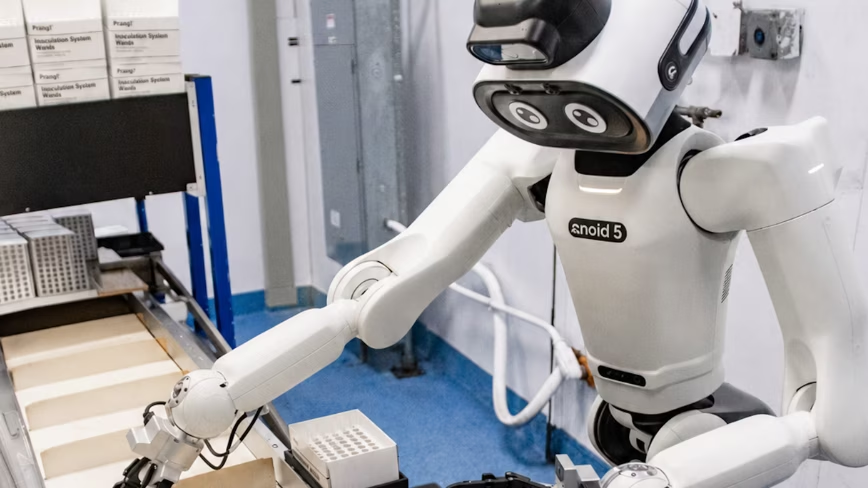
Robot.com, the San Francisco startup formerly known as Kiwibot, is expanding from campus delivery robots into workplace humanoids. The company told Business Insider it will launch R-noid, a humanoid on wheels designed to package orders, load and unload boxes, and prep workstations across food service, logistics, and healthcare facilities.
CEO Felipe Chavez said the pivot has been nearly two years in the making. “We already have a foot in the door with our delivery robots,” he said, adding that offering manipulation solutions was the natural next step for a company that already has more than 500 robots deployed and has completed over two and a half million tasks.
R-noid is not trying to walk. The robot rides on a holonomic wheeled base instead of legs, with dual seven-degree-of-freedom arms and an articulated torso that gives it vertical reach up to nearly two metres. It joins a growing camp of robotics companies betting that wheels beat legs for practical workplace deployment, trading stair-climbing ability for stability, cost, and faster time to market.
The 💜 of EU tech
The latest rumblings from the EU tech scene, a story from our wise ol' founder Boris, and some questionable AI art. It's free, every week, in your inbox. Sign up now!
The dexterity comes from Physical Intelligence, one of the most closely watched AI labs in robotics. According to the company’s official announcement, R-noid runs on Physical Intelligence’s vision-language-action model, which reads natural-language instructions, observes the scene, and produces the arm and hand movements to carry out tasks. Chavez said the company has been developing custom models with Physical Intelligence since last year.
A separate partnership with FieldAI provides the navigation and autonomy layer. The startup has commercially deployed fewer than 40 R-noids across about a dozen customers so far. One disclosed deployment is at Harbor Links Golf Course in New York, where an R-noid helps load food into delivery robots and supports staff with order packing.
The company said deployment takes eight to 12 weeks, a process that involves visiting a customer’s facility, identifying tasks to automate, and collecting hours of robot data to fine-tune the model before on-site operation begins.
Chavez said some tasks require collecting 50 hours of data before a robot is ready to operate independently. Teleoperation and remote support remain key parts of the deployment strategy, with the startup expecting about 70 percent autonomy during initial rollouts. The near-term goal, he said, is not to replace workers but to prepare businesses for robotics and improve worker satisfaction by offloading repetitive physical tasks.
The launch comes at five initial categories: restaurant assistant, packer, picker, folder, and host. The broader humanoid market remains turbulent, with more than 150 companies chasing commercialisation and buyer satisfaction rates as low as 23 percent in surveyed enterprise deployments.
The startup is positioning R-noid as a practical, task-specific tool rather than a general-purpose humanoid, a distinction that may matter as the industry sorts the commercially viable from the venture-funded spectacle. Founded in 2017 as Kiwibot, the company rebranded in October 2025 and has raised funding from investors including Headline, Sodexo VC, and UC Berkeley SkyDeck Fund. It will showcase R-noid at Automate 2026 in Chicago this week.
View original source — The Next Web ↗
Related stories

BBC
TechnologyJun 22, 2026 · 1 min
Millions of iCloud users could claim share of £3bn after Apple case given UK green light
BBC

The Guardian
TechnologyJun 22, 2026 · 1 min
Met to expand use of live facial recognition into central London by Christmas
The Guardian

BBC
TechnologyJun 22, 2026 · 1 min
Do you know your 'sweat score'? The rise of hydration tech
BBC
TechRadar
TechnologyJun 22, 2026 · 1 min
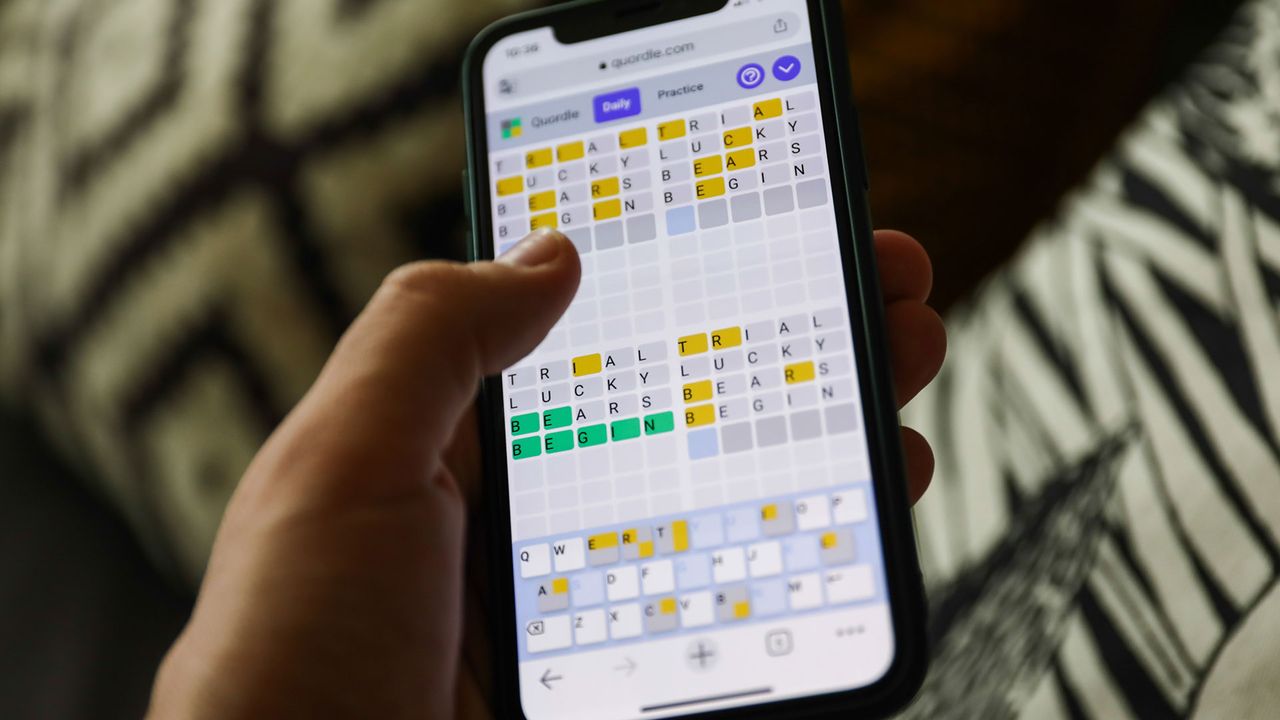
Quordle hints and answers for Tuesday, June 23 (game #1611)
TechRadar