South China Morning Post
South China Morning Post··2 min read
What Hong Kong can learn from mainland cities’ 5-year plans
Daryl Ng is chairman of Sino Group and the founding chairman of the Hong Kong-Asean Foundation, a not-for-profit organisation promoting and deepening ties between Hong Kong and Asean to build a community of shared future to reinforce Hong Kong’s international position and support future growth.
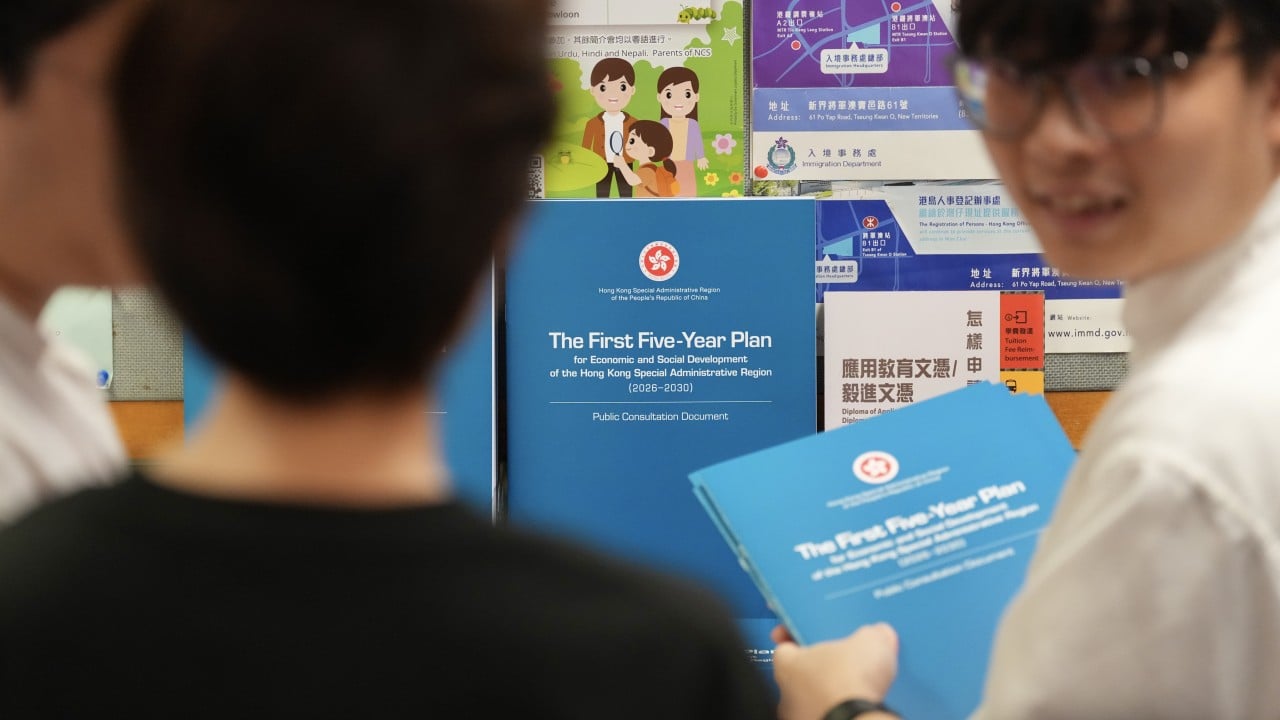
The Hong Kong government has launched a two-month public consultation for the city’s first five-year plan, marking an important milestone in its development. The blueprint provides the city with a clearer vision for the future and a systematic approach in pursuing further growth under the auspices of the “one country, two systems” framework. It also puts Hong Kong in a better position to align with China’s overall national development.
Over the past few months, various sectors of Hong Kong society have studied the 15th five-year plan of the nation and organised delegations to the mainland, drawing useful references on planning, development concepts and best practices as the city develops its own five-year plan.
As the capital of the country, Beijing plays a special role in the national development plan. Beijing will continue to focus on serving as the national centre for politics, culture, international exchange and science, as well as innovation and technology, pushing top-quality development to the highest standards.
The capital city has also implemented 24 pioneering reform measures in Zhongguancun, advancing coordinated development of the “one core and two wings” covering Beijing proper, the Beijing Municipal Administrative Centre and the Xiongan New Area. It is building new quality productive edges to grow into a global benchmark for the digital and green economies.
Shanghai is another example. As one of the country’s most important bridges with the world and a strategic hub for economic development, the city is a driver of China’s modernisation. Its five-year plan has put forth a focus on continuous advancement of its “five centres” – international economy, finance, trade, shipping and science and technology innovation – with the goal of building a modern international metropolis with global influence.
Scientific and technological innovations are guiding Shanghai in its emergence, while reform and opening up drive its continuous development. National strategies accelerate industrial transformation – moving up the value chain – while strengthening supply-chain ecosystems globally. They also promote integrated development of the Yangtze River Delta, unleashing consumption potential and expanding effective investments while improving the governance of large cities.
04:30
China’s fourth plenum: party leaders call for boosting self-reliance against ‘raging storms’
View original source — South China Morning Post ↗
Related stories

The Punch
EntertainmentJun 22, 2026 · 1 min
VIDEO: Michelle hosts Tems at new Obama presidential centre
The Punch

ESPN
SportsJun 22, 2026 · 1 min
Messi makes history and shows why Argentina star i...
ESPN

ESPN
SportsJun 22, 2026 · 1 min
Álvarez says Atlético exit best thing for everyone...
ESPN

ESPN
SportsJun 22, 2026 · 1 min
What we know about former Wimbledon champion Marke...
ESPN