South China Morning Post
South China Morning Post··1 min read
Can Quad break China’s mineral monopoly amid US-India rift?
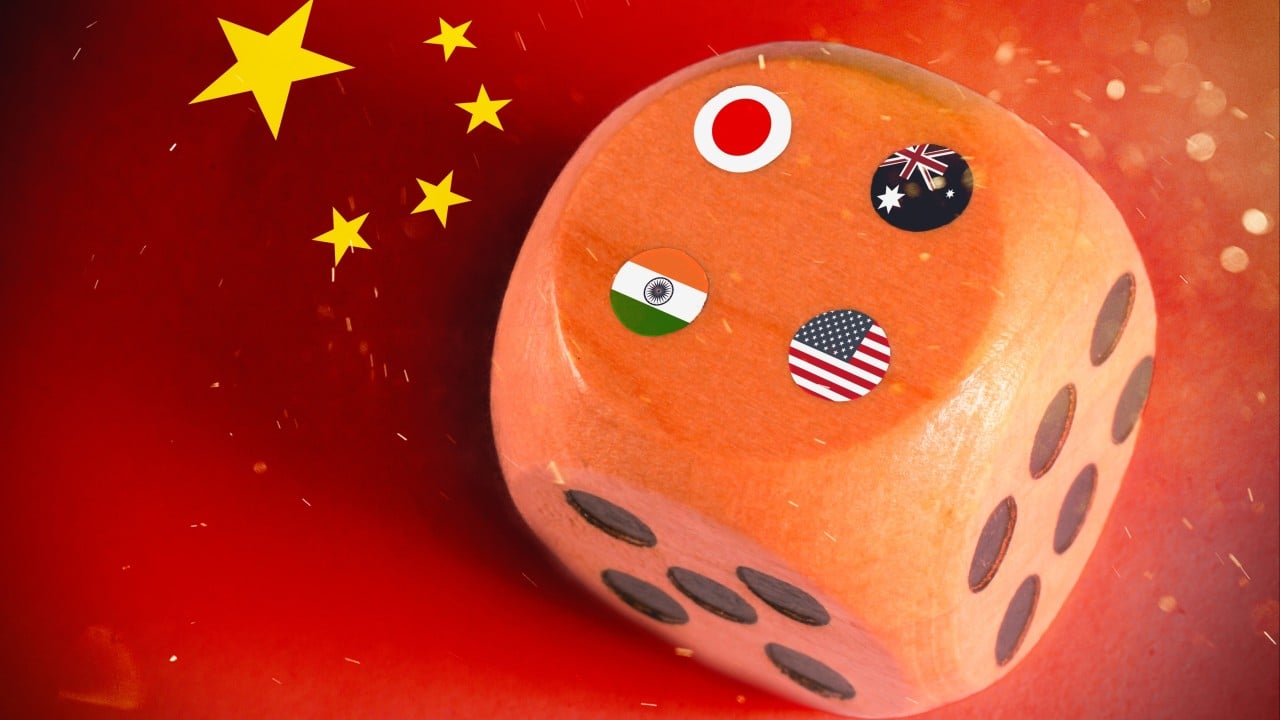
The US strike on an oil tanker in the Gulf of Oman earlier this month did more than kill three Indian sailors and severely undercut US-India relations. It has also cast further doubt on the unity of the Quad, an informal bloc made up of the United States, Japan, Australia and India, and the group’s ambitious agenda aimed at loosening China’s dominant grip on critical minerals.
Despite the persistent US-India fissures that could slow down the Quad’s momentum, however, a counter-unifying force may ultimately prove stronger, analysts said: shared anxieties among the partner countries over their dependence on China for critical supply chains.
“All of the governments are committed to this,” said Geoffrey Pyatt, assistant secretary of state for energy resources under the Joe Biden administration.
The Quad’s agenda could “slow” down due to the prevailing tensions, but all four members “still recognise the critical importance of supply chain diversification”, echoed Rick Rossow, a senior adviser focused on India and emerging Asia economics at the Centre for Strategic and International Studies (CSIS).
But the grouping still must grapple with underlying tensions.
When US Secretary of State Marco Rubio visited India last month for the Quad foreign ministers’ meeting, he carried a dual message of assurance – easing bilateral frictions with New Delhi while reaffirming Washington’s commitment to the group.
View original source — South China Morning Post ↗
Related stories

The Punch
EntertainmentJun 22, 2026 · 1 min
VIDEO: Michelle hosts Tems at new Obama presidential centre
The Punch

ESPN
SportsJun 22, 2026 · 1 min
Messi makes history and shows why Argentina star i...
ESPN

ESPN
SportsJun 22, 2026 · 1 min
Álvarez says Atlético exit best thing for everyone...
ESPN

ESPN
SportsJun 22, 2026 · 1 min
What we know about former Wimbledon champion Marke...
ESPN