CNA
CNA··2 min read
Oil falls as US waives Iranian sanctions and Nasdaq tumbles
23 Jun 2026 05:33AM
NEW YORK: Crude prices fell Monday (Jun 22) after the US said it is temporarily lifting sanctions on Iran to allow it to export oil, while the Nasdaq retreated on concerns after AI investments by SpaceX and other tech giants.
US Vice President JD Vance said a "very good foundation" had been laid for negotiations towards a final deal with Iran, with mediators also claiming progress.
Last week, Tehran and Washington signed a memorandum of understanding (MOU) laying the groundwork for the negotiations, after a 40-day war that was followed by weeks of an inconclusive and oft-breached ceasefire.
The US Treasury said later Monday it was temporarily lifting sanctions on Iran to allow the Islamic Republic to produce, sell and deliver crude oil and related products through August 21.
Oil prices continued to retreat as maritime trackers pointed to an uptick in tanker traffic through the Strait of Hormuz.
"The latest figures suggest a cautious but visible rebound in traffic following the MOU, although the daily pattern remains volatile," Mihail Todorov of AXSMarine, a shipping data provider, told AFP.
"The latest developments out of the Middle East have turned more constructive," said Deutsche Bank analyst Jim Reid.
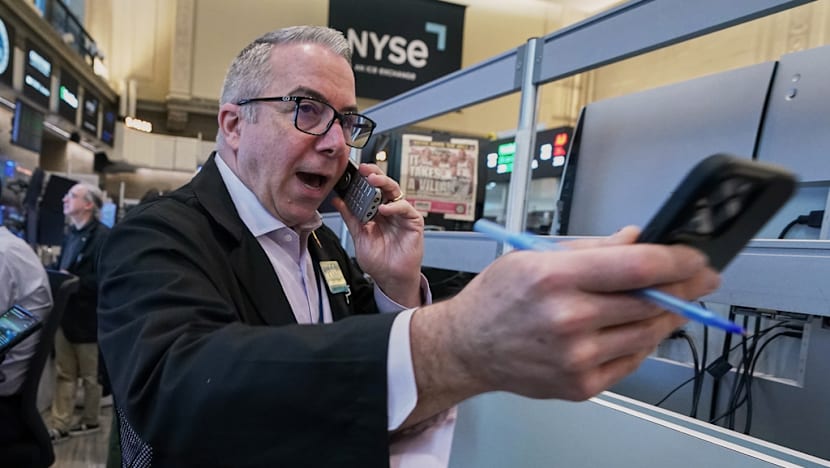
Wall Street stocks mostly fell, with the Nasdaq losing 1.3 per cent.
SpaceX sank 16.4 per cent for its third straight decline after a record IPO and a winning trio of opening trading sessions. The fall came as the rocket and satellite company disclosed plans for an "inaugural" bond offering of unspecified quantity.
The SpaceX disclosure arrives on the heels of a large equity round announced earlier this month by Google parent Alphabet and a data centre venture between Microsoft and Chevron, developments which underscore the hefty capital toll of the artificial intelligence drive.
"It's the cumulative effect of seeing capital raising because of how much it costs to build a large language model," said Art Hogan of B. Riley Wealth Management
In Europe, both London and Frankfurt ended the day higher, but Paris fell.
In Britain, the pound and the London stock market firmed after Britain's embattled Prime Minister Keir Starmer announced his widely expected resignation.
Starmer's departure sets the stage for veteran Labour politician Andy Burnham to potentially ascend the prime minister.
Starmer will remain prime minister until late this year when Labour elects a new leader, who would become the country's seventh prime minister in a decade.
"The pound has taken the news in stride, although Burnham's preference for fiscal expansion, higher taxes and greater gilt issuance is a concern," said Enrique Diaz-Alvarez, chief economist at the financial services firm Ebury.
"The critical question is who becomes chancellor" of the exchequer, he said.
Rachel Reeves has been finance minister since Labour returned to power nearly two years ago, having overseen some controversial choices regarding state spending and taxes that contributed to Starmer's demise.
"Continuity with Reeves would be the market's preferred outcome, but any indication that a new chancellor intends to loosen or abandon the existing fiscal rules could trigger fresh selling in UK assets," Diaz-Alvarez said.
Source: AFP/fs
Related stories

The Punch
EntertainmentJun 22, 2026 · 1 min
VIDEO: Michelle hosts Tems at new Obama presidential centre
The Punch

ESPN
SportsJun 22, 2026 · 1 min
Messi makes history and shows why Argentina star i...
ESPN

ESPN
SportsJun 22, 2026 · 1 min
Álvarez says Atlético exit best thing for everyone...
ESPN

ESPN
SportsJun 22, 2026 · 1 min
What we know about former Wimbledon champion Marke...
ESPN