
Daily Trust
MAGGI deepens stakeholder understanding of food quality, safety standards
Nestlé Nigeria, through its flagship seasoning brand MAGGI, has reinforced its commitment to food quality and safety by engaging suppliers, distributors, consumers, journalists and digital content creators in a series of activities to commemorate the 2026 World Food Safety Day.
The initiative was designed to provide stakeholders with deeper insight into the processes, standards and partnerships involved in delivering MAGGI products to millions of households across Nigeria, while promoting transparency and strengthening understanding of food safety responsibilities across the value chain.
Participants were exposed to different stages of the production process, including ingredient sourcing, manufacturing, quality assurance, distribution and consumption. Suppliers received guidance on MAGGI’s quality requirements and manufacturing standards, while distributors were trained on best practices in product handling, warehousing and storage to ensure product quality is maintained throughout the supply chain.
Consumers also had the opportunity to engage directly with company experts to better understand the ingredients, production processes and quality assurance systems behind MAGGI products.
The programme culminated in a tour of Nestlé Nigeria’s factory in Agbara, where journalists and digital content creators followed the journey of a MAGGI cube from locally sourced soya beans to the finished seasoning product.
During the tour, participants observed how soya beans sourced from Nigerian farmers are processed through fermentation and advanced manufacturing technologies to achieve the distinctive taste and consistency associated with the MAGGI brand.
The company also highlighted the connection between traditional African food processing methods and modern manufacturing practices, explaining that some fermentation techniques used in MAGGI production are inspired by indigenous food traditions familiar to many Nigerians through local seasonings such as iru, dawadawa and ogiri.
A key aspect of the visit focused on quality assurance and food safety measures embedded throughout the production chain. Participants observed the monitoring systems, laboratory testing procedures and manufacturing controls used to ensure product safety, consistency and compliance with regulatory requirements.
Speaking during the engagement, Funmi Osineye said food quality and safety are shared responsibilities involving every stakeholder in the value chain.
“MAGGI reaches millions of consumers through a value chain that includes farmers, suppliers, distributors, retailers and consumers. We continuously engage stakeholders to build understanding, strengthen collaboration and provide greater visibility into the journey behind our products,” she said.
Also speaking, Talla Fall said quality and food safety considerations are integrated into every stage of the company’s operations.
“From sourcing ingredients and testing raw materials to manufacturing and packaging, our teams work diligently every day to uphold the high standards consumers expect from MAGGI. These engagements provide an opportunity to demonstrate the expertise and rigorous processes behind every product,” he said.
One of the programme coordinators, Ifeoluwa Seyi-Obembe, explained that the MAGGI brand was created to make meal preparation easier, faster and more nutritious for consumers.
She noted that the company sources soya beans locally from Nigerian farmers, a strategy that supports agricultural development, empowers farmers and contributes to economic growth within local communities.
According to her, Nestlé Nigeria remains committed to improving the nutritional profile of its products, increasing local sourcing and promoting healthy cooking habits among consumers.
Addressing concerns about sodium levels in seasoning products, Oluwatobi Sami explained that sodium is an essential mineral required for important bodily functions, including fluid regulation, muscle contraction and nerve transmission.
However, he cautioned that excessive sodium consumption from any source, including table salt and processed foods, may increase the risk of high blood pressure and related health conditions.
Sami stated that the sodium content in MAGGI products complies with regulatory limits approved by the National Agency for Food and Drug Administration and Control and the Standards Organisation of Nigeria.
“Every MAGGI cube is produced within the recommended regulatory threshold. Where local standards are stricter, we comply with the stricter requirements. Our objective is to ensure that consumers can enjoy our products safely when used as directed,” he said.
The programme also featured an interactive cooking session where participants prepared meals using MAGGI products and discussed issues relating to taste, nutrition, food quality and responsible product usage.
Nestlé Nigeria said the initiative reflects its commitment to transparency, stakeholder engagement and the delivery of quality products that help consumers prepare tasty and nutritious meals.
The company remains one of Nigeria’s leading food and beverage manufacturers, producing household brands including MAGGI, MILO, GOLDEN MORN, NESTLÉ PURELIFE and NESCAFÉ, while supporting local agricultural value chains through increased sourcing of raw materials from Nigerian farmers.
UPDATE NEWS:
Nigerians can now invest ₦2.5 million on premium domains and profit about ₦17-₦25 million. All earnings paid in US Dollars. Rather than wonder,
click here to find out how it works.
View original source — Daily Trust ↗
Related stories

CNBC
BusinessJun 23, 2026 · 1 min
Global M&A deal value on track to reach $4 trillion this year: PwC
CNBC

Stuff
BusinessJun 23, 2026 · 1 min
More jobs cut at Fonterra this year as restructuring continues
Stuff
Bloomberg
BusinessJun 23, 2026 · 1 min
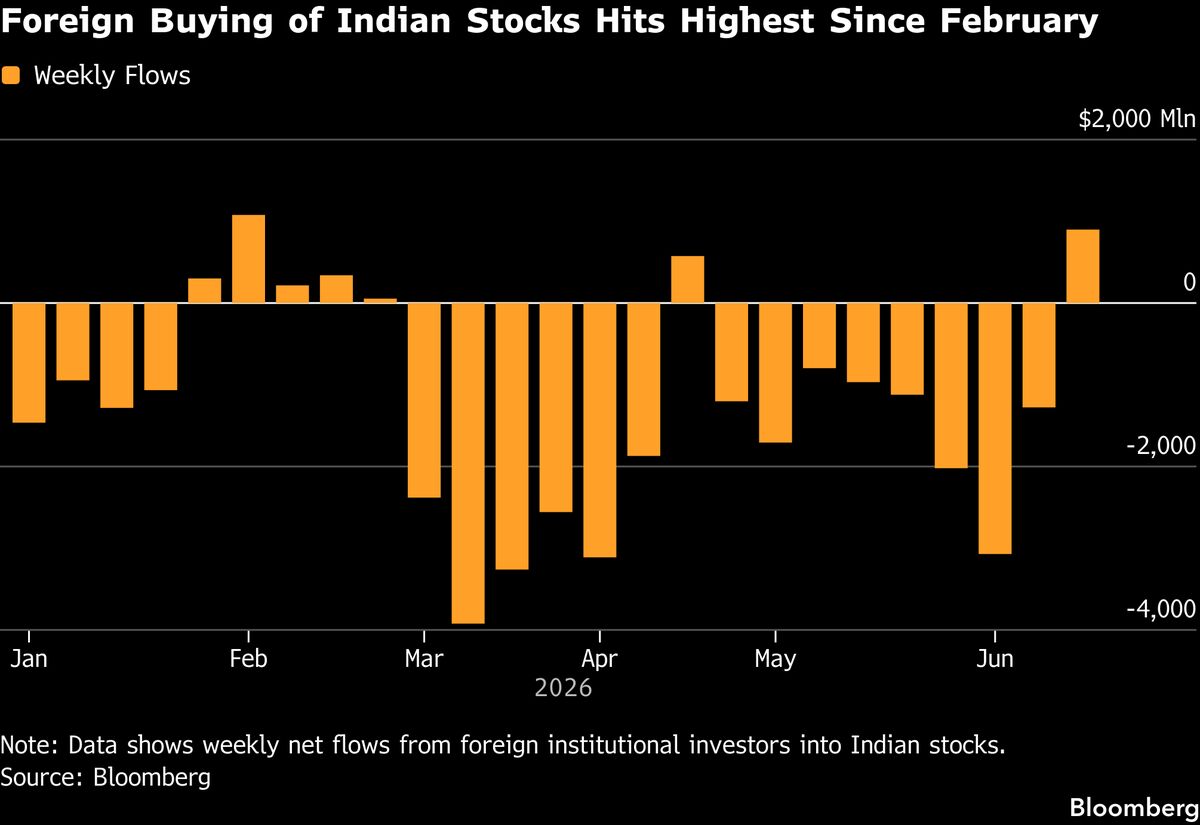
Global Funds Snap Indian Stock Selling Streak as Oil Shock Ebbs
Bloomberg

Bloomberg
BusinessJun 23, 2026 · 1 min
Tencent in Talks to Offload Marvelous and Other Global Game Bets
Bloomberg