Indian Express
Indian Express··3 min read
Delhi cracks down on illegal tree cutting: New SOP mandates video recording, possible arrests
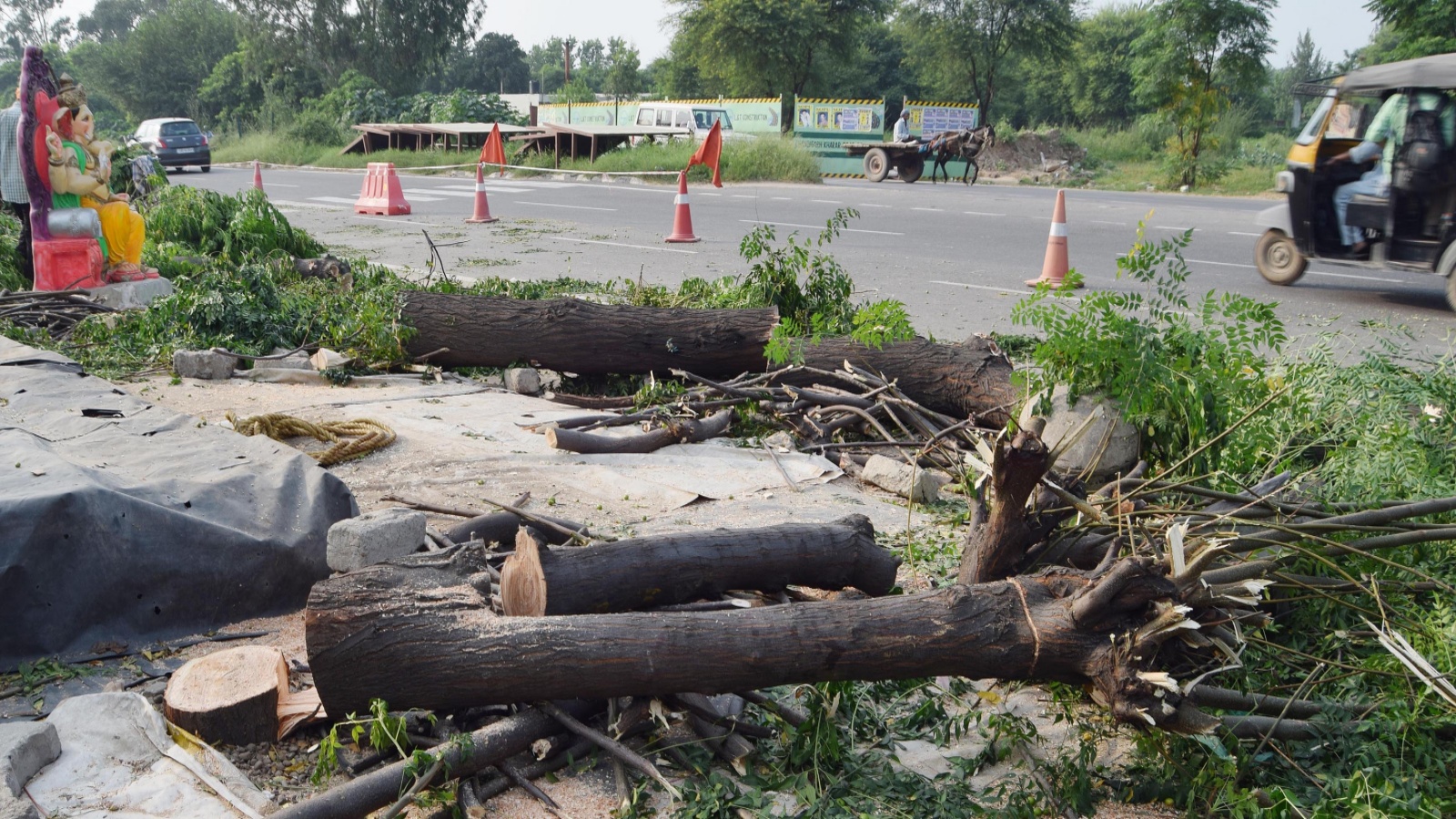
What happens when illegal tree cutting or damage to trees is reported in Delhi? The response is meant to begin at once and follow a documented legal trail under the Forest Department’s Standard Operating Procedure (SOP) for dealing with offences under the Delhi Preservation of Trees Act, 1994.
The SOP, notified earlier this year and made available on the department’s portal this month, details how a complaint can trigger a first offence report. Real-time alerts are sent to control rooms and field officers, the site is cordoned off, followed by video-recording of suspects, seizure of tools, complainant participation in hearings and, where required, and prosecution before a court. Those who skip summons may face arrest warrants.
What is first offence report
According to the SOP, information on a tree offence may be received through the dedicated portal, Green Helpline calls; through letters or handwritten complaints; the Green Delhi App, or any other Delhi government app.
Once information is received, the Range Officer or Range In-charge must register a First Offence Report under Section 22 of the Act. The information must then be transmitted in real time to the Forest Control Room, division control room, Beat Officer concerned and the land-owning agency.
Site response
Quick Response Team personnel must maintain status quo at the site, stop the offence and prevent further damage. They have to take geo-referenced photographs, video-record suspected offenders, document tools, vehicles, animals or other conveyances allegedly used, and record names and addresses of suspected offenders.
If a suspect refuses to provide details, gives details believed to be false, or is likely to abscond, the person may be taken to the Range Officer for further action. The QRT must cordon the site until the Beat Officer, Deputy Range Officer or Range Forest Officer arrives, and can leave only after handing over the information collected.
Preventive action
As per the document, Beat Officers also have preventive duties where an offence is apprehended. They must record geo-referenced photographs and geo-coordinates of trees. The SOP specifically mentions digging or excavation near trees, visible deterioration of tree health, barricading of construction areas blocking direct line of sight to trees, and soil erosion.
Story continues below this ad
In such cases, the land-owning agency, private owner or occupier must be informed, and a copy sent to the local police station. A restraining order may be issued under Section 20 where there is reasonable apprehension of contravention of Section 8. If such an order is violated, the Tree Officer has to intimate police under Section 173 of the Bharatiya Nagarik Suraksha Sanhita, 2023.
Inquiry and summons
For offences underway or partly committed, officials must intervene, record evidence, inform the land-owning agency or owner, and intimate police in writing. The Tree Officer may be asked to seize tools, vehicles or other material used, along with damaged or severed tree parts.
In inquiries, evidence may include CCTV footage, local intelligence, eyewitness details and statements. Complainants or informants must be told of hearing dates or proceedings and given an opportunity to assist the Tree Officer.
Notices and summons are to be sent by registered post and email, if available. If a suspected offender fails to appear, or a summoned witness fails to appear or produce documents, the Tree Officer may issue a warrant of arrest through the police station concerned.
Story continues below this ad
Timeline and legal follow-up
Inquiries should preferably be concluded within two months of receipt of the complaint, the SOP has stated.
Written hearing orders must be sent free of charge to parties and uploaded on the dedicated website. The SOP also provides for 24-hour control rooms, QRTs at headquarters and divisions, a complaint-lifecycle website, a headquarters legal cell and prosecution cells under each Tree Officer.
View original source — Indian Express ↗
Related stories

The Punch
NewsJun 23, 2026 · 1 min
Military rescues 47 ISWAP captives in Borno
The Punch
The Punch
SportsJun 23, 2026 · 1 min
Haaland scores twice as Norway beat Senegal to reach last 32
The Punch
The Punch
SportsJun 23, 2026 · 1 min
World Cup: Mbappe scores twice as France beat Iraq 3-0
The Punch

ESPN
SportsJun 23, 2026 · 1 min
Haaland is on a collision course with Mbappé, and ...
ESPN