Indian Express
Indian Express··4 min read
Iran says US agreed to release $12 billion in frozen assets; Washington yet to confirm
News
World
Iran says US agreed to release $12 billion in frozen assets; Washington yet to confirm
JD Vance acknowledged the frozen assets issue during his own debrief but stopped short of confirming the $12 billion figure.
4 min readJun 23, 2026 12:32 PM IST
First published on: Jun 23, 2026 at 12:32 PM IST
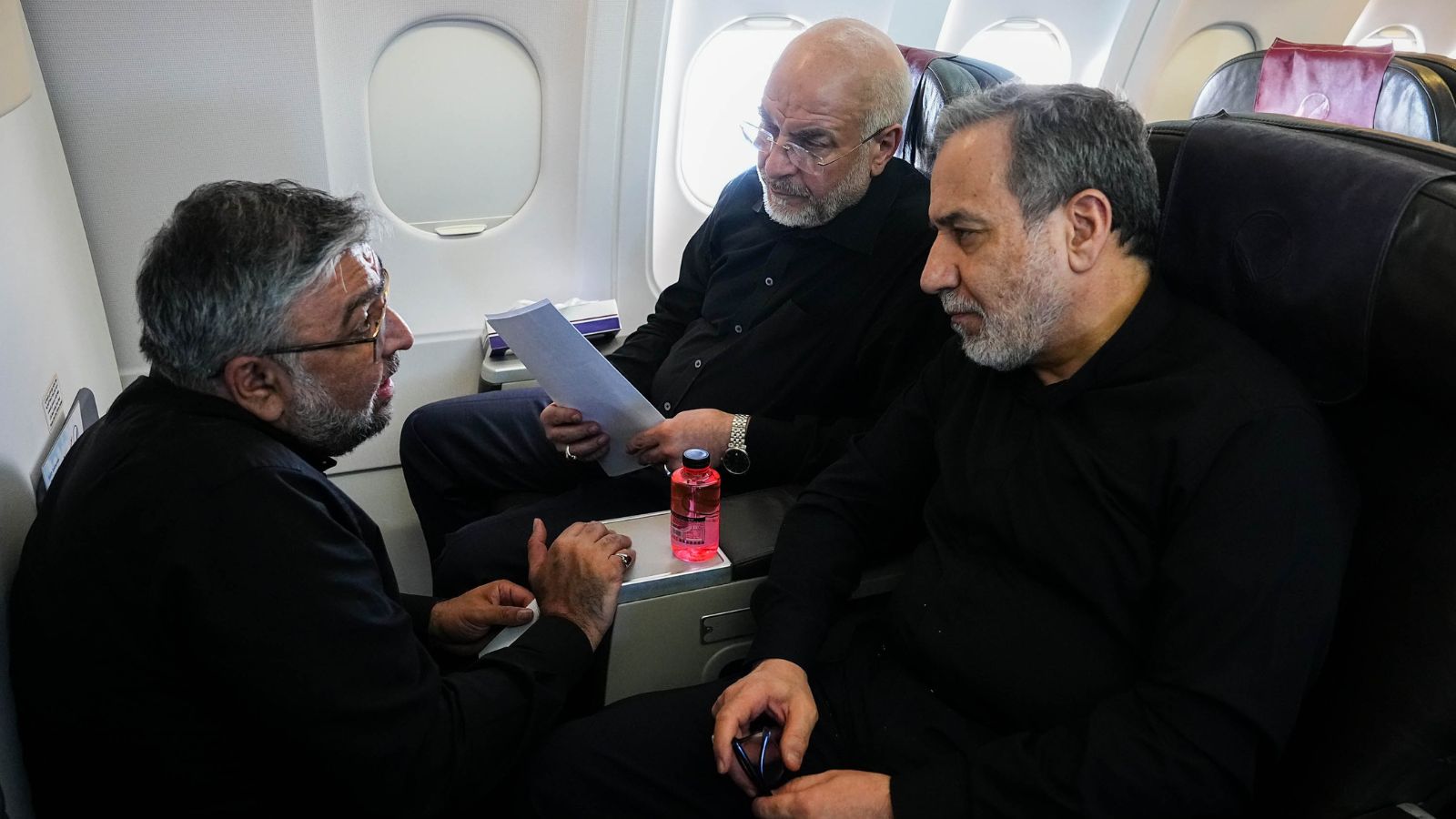
In this photo released by Islamic Consultative Assembly News Agency, ICANA. (Photo: AP)
Iran’s chief negotiator Mohammad Bagher Ghalibaf Monday said that arrangements for the release of $12 billion in frozen Iranian assets had been finalised during the talks with US officials in Switzerland, a claim Washington has neither confirmed nor denied in full.
Speaking to Iranian state television after returning from the Burgenstock resort near Lake Lucerne, Ghalibaf said the two sides had made progress on several fronts, including the frozen assets, a communication mechanism for the Strait of Hormuz, and the framework for further talks. He described the Switzerland session as productive and said that by attending, Iran had helped prevent further bloodshed in Lebanon.
Iran's Ghalibaf:
The Strait of Hormuz will be managed by Iran, in accordance with those laws and under arrangements established by Iran.
Problems may arise in the Strait of Hormuz. Therefore, we agreed to establish a center and a telephone hotline so that, during the 30-day… pic.twitter.com/fRm64JHDM3
— Clash Report (@clashreport) June 22, 2026
“I saw on a state TV programme that they said Mehrabad Airport should have been closed so the negotiating team could not travel to Switzerland,” he wrote on social media. “If we had not gone to Switzerland, more Muslim and Shiite blood would have been shed in Lebanon every moment.”
What the $12 billion claim involves
Ghalibaf said arrangements for the release of $12 billion in frozen Iranian assets had been finalised during talks with US officials in Switzerland. Iranian media had previously reported that Tehran was pushing for a total of $24 billion in frozen funds to be released — $12 billion immediately upon signing an agreement, with another $12 billion to follow within 60 days.
US Vice President JD Vance acknowledged the frozen assets issue during his own debrief but stopped short of confirming the $12 billion figure, describing the matter as complex and saying no final agreement had been reached. Iran’s central bank governor, however, told semiofficial Tasnim news agency that “necessary memoranda were signed” to begin the asset release process.
Iran’s central bank governor said funds released under the emerging agreement will not necessarily be restricted to essential goods, suggesting Tehran expects broader access to international trade than previously understood. Vance separately suggested Washington could agree to unfreeze Iranian assets for purchases of American agricultural products such as soybeans, corn and wheat.
Why experts are sceptical
Story continues below this ad
Experts gave little weight to claims by Iran that the US agreed to hand over $12 billion in frozen assets before the start of negotiations. One analyst cautioned against accepting Iranian reports without US confirmation, noting significant discrepancies between what Tehran and Washington were each claiming publicly.
Another analyst noted that the only favourable terms the US was likely to give Iran were those that could be quickly retracted should Tehran fail to negotiate in good faith.
Oil sanctions lifted separately
In a parallel development, US Treasury Secretary Scott Bessent said Washington issued a temporary 60-day waiver authorising Iranian oil sales as part of the Switzerland talks framework, under which Tehran pledged open transit through Hormuz and IAEA access.
The sanctions waiver allows Iran to increase oil exports, charge market prices and transact in US dollars, a significant reversal of policy that directly echoes the Obama-era nuclear deal Trump abandoned in 2018.
(With inputs from agencies)
The Express Global Desk at indianexpress.com which delivers authoritative, verified, and context-driven coverage of key international developments shaping global politics, policy, and migration trends. The desk focuses on stories with direct relevance for Indian and global audiences, combining breaking news with in-depth explainers and analysis.
A major focus area of the desk is US immigration and visa policy, including developments related to student visas, work permits, permanent residency pathways, executive actions, and court rulings. The Global Desk also closely tracks Canada’s immigration, visa, and study policies, covering changes to study permits, post-study work options, permanent residence programmes, and regulatory updates affecting migrants and international students.
All reporting from the Global Desk adheres to The Indian Express’ editorial standards, relying on official data, government notifications, court documents, and on-record sources. The desk prioritises clarity, accuracy, and accountability, ensuring readers can navigate complex global systems with confidence.
Core Team
The Express Global Desk is led by a team of experienced journalists and editors with deep expertise in international affairs and migration policy:
Aniruddha Dhar – Senior Assistant Editor with extensive experience in global affairs, international politics, and editorial leadership.
Nischai Vats – Deputy Copy Editor specialising in US politics, US visa and immigration policy, and policy-driven international coverage.
Mashkoora Khan – Sub-editor focusing on global developments, with a strong emphasis on Canada visa, immigration, and study-related policy coverage. ... Read More
© IE Online Media Services Pvt Ltd
# donald trump
Loading Recommendations...
01
02
03
04
05
Live Blog
View original source — Indian Express ↗
Related stories

The Punch
NewsJun 23, 2026 · 1 min
Police arrest officers caught extorting Rivers motorists in viral video
The Punch
The Punch
NewsJun 23, 2026 · 1 min
Nigeria records rise in gas output
The Punch
The Punch
NewsJun 23, 2026 · 1 min
Turkey arrests over 200 suspects linked to ISIS ahead of NATO summit
The Punch
The Punch
NewsJun 23, 2026 · 1 min
Petrol import bill drops from N2.3tn to under N90bn – FG
The Punch