The Next Web
Tencent weighs exit from Marvelous and other Japanese game bets
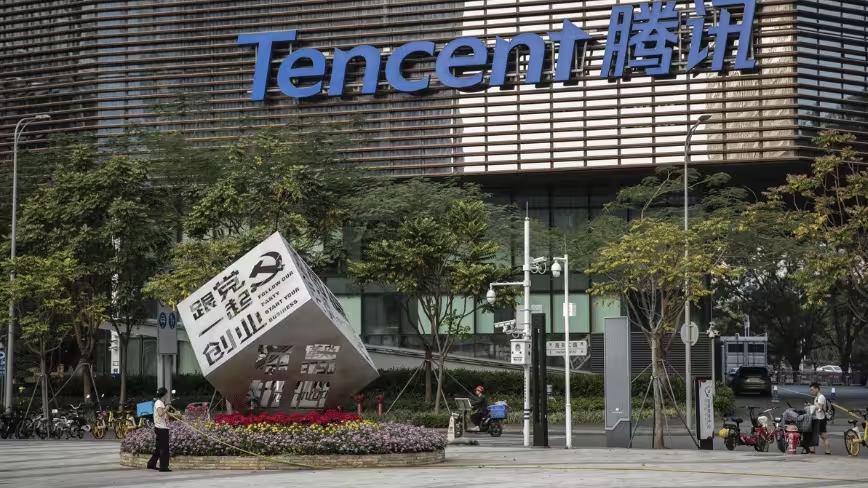
Tencent Holdings is in talks to walk away from several of the minority stakes it holds in Japanese game studios, among them the Tokyo-listed developer Marvelous Inc., as the company reassesses a global games portfolio it spent years assembling.
The discussions, first reported by Bloomberg, would unwind part of a buying spree that ran through the early years of the decade.
In some cases the exits would be tidy enough. In others they would sting. Tencent is preparing to sell certain stakes back to the studios’ original management teams and is willing to do so at a loss where it judges that the cleanest way out.
That is an unusual posture for an investor better known for accumulating positions than surrendering them.
The 💜 of EU tech
The latest rumblings from the EU tech scene, a story from our wise ol' founder Boris, and some questionable AI art. It's free, every week, in your inbox. Sign up now!
The logic, as described to Bloomberg, is one of housekeeping. Tencent is scrutinising holdings where the strategic synergies it once anticipated may no longer exist, and steering money instead toward areas it expects to grow faster.
Marvelous, the publisher behind the Story of Seasons farming series and the Senran Kagura franchise, was one of the companies it backed during a wave of investment in Japanese developers around 2020.
That wave was substantial. Tencent spent the period taking minority positions in studios across Japan and beyond, partly as a hedge against a tightening regulatory climate at home, where Beijing’s antitrust campaign and a freeze on new game approvals had squeezed its domestic business.
Some of those bets have aged better than others, and the company now appears willing to admit as much rather than hold positions out of inertia.
The retreat also fits a colder climate for Chinese capital flowing abroad. Beijing has been tightening the rules on outbound investment, and Tencent’s scrutiny of stakes that no longer pull their weight sits comfortably alongside stricter oversight of money leaving the country.
The company has framed the review as its own commercial call, but it is not happening in a vacuum, at home or abroad.
The reassessment lands against a wider backdrop of pressure on Tencent’s overseas gaming holdings.
A separate strand of reporting has noted that the Trump administration reviewed the company’s stakes in Epic Games and Riot Games, part of a broader American scrutiny of Chinese ownership in the sector.
The Japan talks are a commercial decision rather than a forced sale, but they unfold while Tencent’s foreign investments are under an unusually bright light.
Tencent remains the largest games company in the world by revenue, with full ownership of Riot and a controlling interest in Supercell, and its retreat from a handful of Japanese minority positions does not change that.
The studios it is looking to exit are stakes that never converted into the collaboration the original cheques implied, and holding them produced neither the products nor the influence Tencent had banked on.
For Tencent, this is of a piece with a broader redirection of resources, the same instinct that has it pushing into AI assistants inside WeChat and chasing returns it can see rather than ones it once hoped for.
The company has long treated its investment arm as a sprawling experiment, and experiments produce dead ends as readily as winners.
None of the talks has been confirmed by Tencent, which has not commented publicly, and the discussions could yet fall apart or be restructured. Bloomberg cautioned that no final decisions had been reached.
What is clear is the direction of travel: a portfolio assembled in a buying mood is being read back through a colder lens, and Marvelous is among the first names on the list to go.
View original source — The Next Web ↗
Related stories

ZDNet
TechnologyJun 23, 2026 · 1 min
Amazon has Lego sets on sale for Prime Day - and if you like to build, you'll want to check these out
ZDNet

ZDNet
TechnologyJun 23, 2026 · 1 min
Amazon is selling this Motorola phone for just $300 - and it comes with a stylus
ZDNet

Engadget
TechnologyJun 23, 2026 · 1 min
Meta Glasses hands-on: Ray-Ban is out, Kylie Jenner is in
Engadget
Engadget
TechnologyJun 23, 2026 · 1 min
MSI Claw 8 EX AI+ review: Big money for big performance
Engadget