
South China Morning Post
China’s trading crackdown seen boosting Hong Kong as official capital hub
China’s crackdown on cross-border securities trading could strengthen – rather than diminish – Hong Kong’s financial role, according to economists, as Beijing steers more capital through official channels and reinforces the city’s status as an offshore yuan hub.
“I would argue that these moves make the importance of Hong Kong even bigger,” Diana Choyleva, founder and chief economist at Enodo Economics, said on Tuesday at the World Economic Forum’s annual “Summer Davos” meeting.
Referring to Beijing’s recent crackdown, Choyleva said authorities were seeking to curb illegal capital outflows while pursuing “an increase in opening up the flow of capital, through Hong Kong via the connect schemes” – cross-border investment channels linking the financial markets of mainland China and Hong Kong.
Her comments followed moves by the China Securities Regulatory Commission (CSRC) last month to penalise three brokerages – Futu Securities, Tiger Brokers and Long Bridge – for illegally granting domestic investors access to overseas securities trading. The action has fuelled concerns regarding capital controls and the future of Hong Kong’s role as a wealth hub.
Speaking during a panel discussion on the opening day of the three-day gathering, Choyleva said that the recent move was part of an ongoing multi-year effort to tighten illegal capital outflows from China.
Authorities are “really making the point clear here, but simultaneously widening the connect schemes, allowing more capital to flow through Hong Kong”, she said.
Choyleva noted that the city’s role was shifting from a conduit for foreign investment into mainland China to a hub where China’s domestic wealth is “intermediated on China’s own terms” with the rest of the world.
View original source — South China Morning Post ↗
Related stories

MarketWatch
BusinessJun 23, 2026 · 1 min
Economy gets boost from World Cup and peace talks with Iran, but it’s not past the danger point
MarketWatch

CNA
BusinessJun 23, 2026 · 1 min
India's Bajaj Auto says ransomware attack hits systems
CNA
Bloomberg
BusinessJun 23, 2026 · 1 min
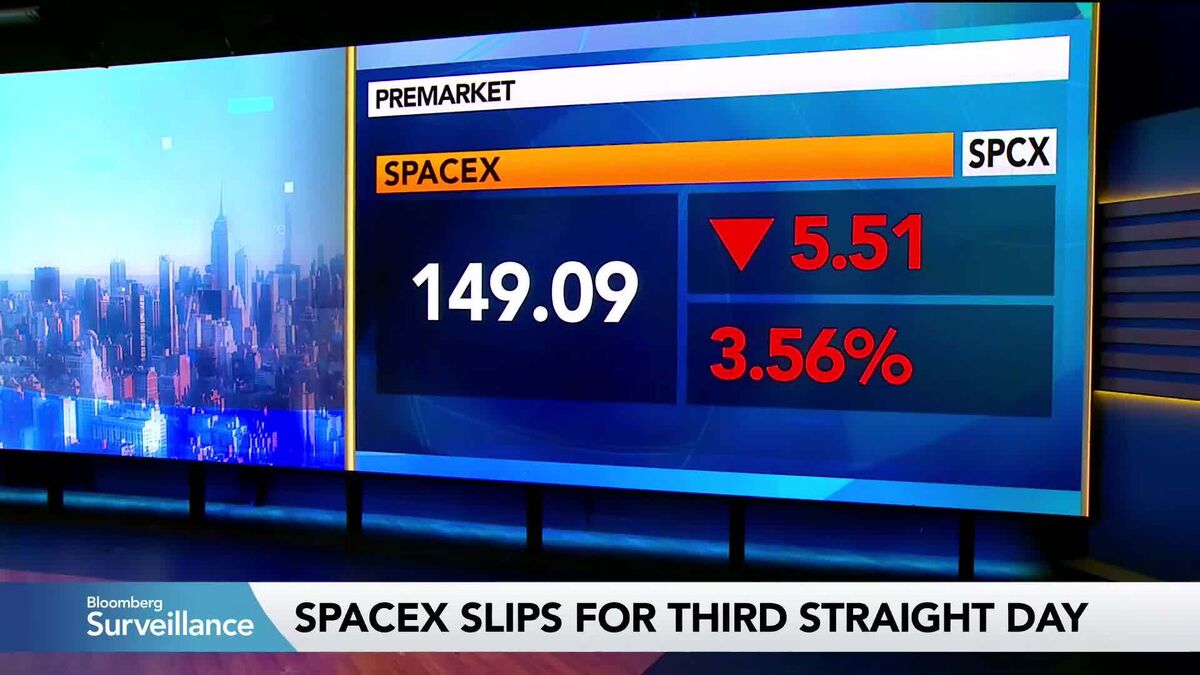
SpaceX Loses $600 Billion in Value Over Three Days
Bloomberg

TASS
BusinessJun 23, 2026 · 1 min
Tokenization of goods in warehouses discussed with marketplaces
TASS