Indian Express
‘He let me go’: Riddhima Kapoor on father Rishi’s parental control; expert weighs in
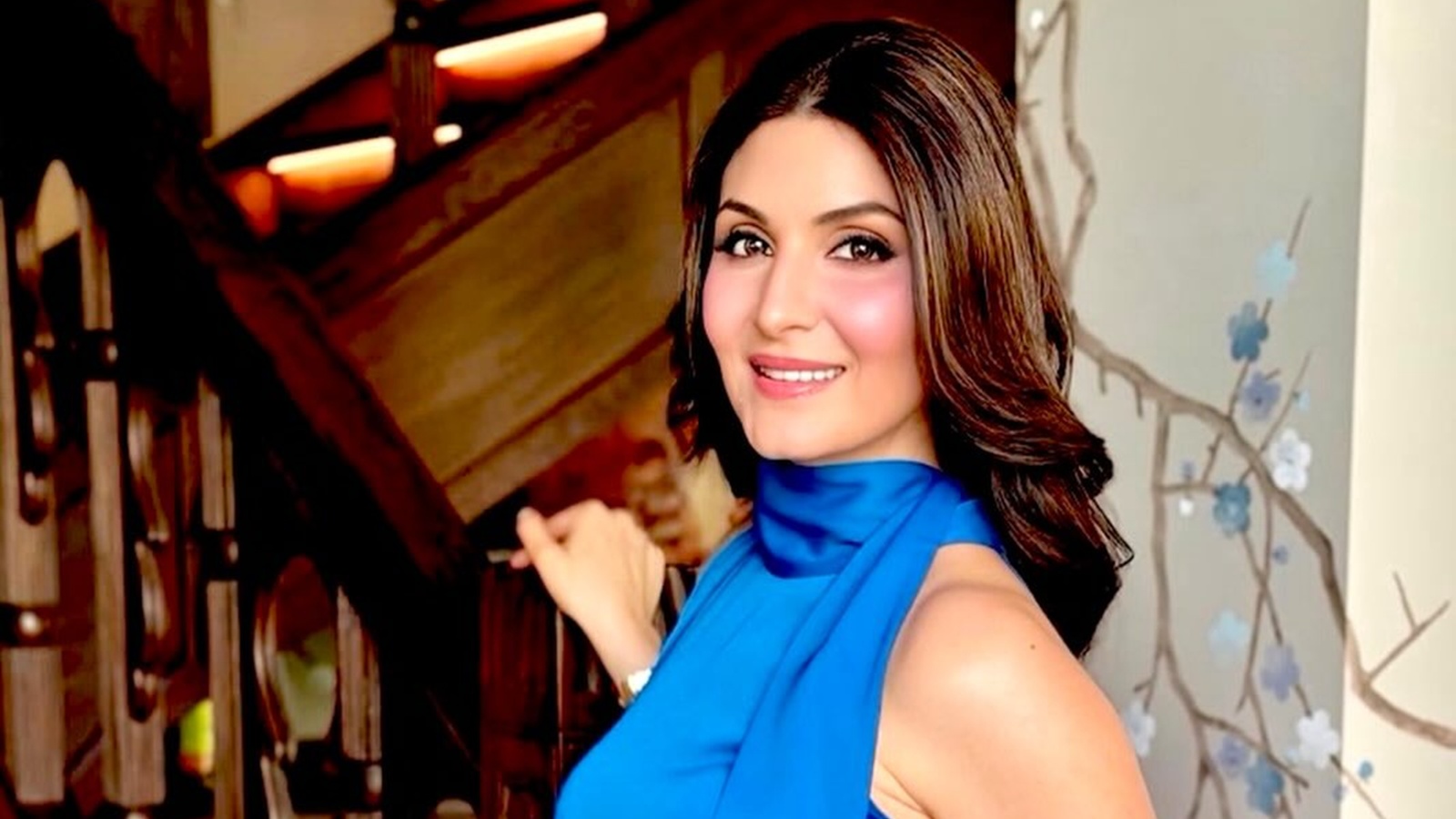
Family expectations, cultural traditions, and parental influence often play a significant role in shaping career decisions. Riddhima Kapoor Sahni recently reflected on these dynamics while discussing her late father, Rishi Kapoor, and the long-held assumptions surrounding women in the Kapoor family.
For decades, the Kapoor khandan was associated with an unspoken belief that women should not pursue careers in films, whether they were born into the family or married into it. Although Karisma Kapoor eventually became the first woman from the family to break that pattern, many people assumed Riddhima stayed away from acting because of resistance from her father.
DISCLAIMER: This article is based on information from the public domain and/or the experts we spoke to.
However, Riddhima challenged that perception in an interview with ANI, saying, “My father was very protective. A lot of people say ‘Nahi, films mein aane nahi dete, kaam nahi karne dete’. Aisi baat nahi hai (A lot of people say, ‘Oh, he wouldn’t let us join films or work.’ But that wasn’t the case).” She also recalled how Rishi Kapoor reacted when she wanted to move abroad for higher studies. According to her, “I told my father that I wanted to study further and do it in the UK. He was very stressed about the idea of his daughter going to the UK alone, living alone, and wondering how it would work out. He paced up and down for half an hour, just thinking and thinking. He used to get very stressed whenever something different or new came up, like the kids going away. I was maybe 16-17 at the time, but he let me go.”
Reflecting on the trust her father placed in her, Riddhima shared, “He said, ‘You do what you like, and I know you’ll give it your 100 per cent in whatever you do.’ He was very confident about that.” She further added, “Back then, and even now, if I had told dad, ‘I want to do this film, I’ll make you proud, you guide me, and I’ll be doing it with mom,’ he never would have stopped me. He would have been right there, guiding me. I know that because I knew my father; that’s why.”
Healthy concern vs limiting independence
Counselling psychologist Athul Raj tells indianexpress.com, “The difference often lies in whether a parent’s response is driven by the child’s growth or by the parent’s anxiety. Concern is natural. Most parents worry when a child chooses a path that feels uncertain. The problem arises when fear starts making decisions on the young person’s behalf.”
In many Indian families, he adds, love is often expressed through protection. Parents want to prevent disappointment, failure, or hardship. “But adulthood is not built through protection alone. It develops through making choices, dealing with consequences, and discovering one’s own capabilities.”
Story continues below this ad
Why assumptions about parental disapproval develop
By the time career choices are being discussed, Raj observes that most young people already have a fairly clear sense of what their family considers acceptable, ambitious, practical, or risky. “These impressions are built over years through comments, reactions, expectations, and family narratives. Often, nobody explicitly says ‘you cannot do this,’ yet the message is understood.”
The only way to test those assumptions is through conversation. “Many families discover that the disagreement they feared was never as large as the silence that existed around it. Honest conversations create room for understanding that assumptions rarely allow,” states the expert.
The power of parental trust in building confidence
Parental trust becomes part of a person’s inner voice. When parents communicate that they believe in their child’s judgement and effort, it creates a sense of psychological security that extends well beyond that moment.
“People who feel trusted are often more willing to take responsibility for their decisions. They are also better able to tolerate uncertainty because they are not constantly seeking approval before every step. Importantly, trust does not mean expecting success all the time. It communicates that a person is capable of handling both success and disappointment. That belief often becomes the foundation for resilience, confidence, and independent decision making throughout adulthood,” concludes Raj.
Story continues below this ad
DISCLAIMER: This article is based on information from the public domain and/or the experts we spoke to.
View original source — Indian Express ↗
Related stories

Rolling Stone
EntertainmentJun 23, 2026 · 1 min
From Disney to F1, These Are the Best Lego Deals to Shop During Amazon Prime Day 2026
Rolling Stone

Deadline
EntertainmentJun 23, 2026 · 1 min
New Episodes Of NASCAR Docuseries ‘Rising’ To Stream Exclusively On FAST Service Xumo Play
Deadline
The Hollywood Reporter
EntertainmentJun 23, 2026 · 1 min
Giorgia Moll, Italian Actress in ‘The Quiet American’ and ‘Contempt,’ Dies at 88
The Hollywood Reporter

The New York Times
EntertainmentJun 23, 2026 · 1 min
Manhattan Borough President Gives $50 Million to N.Y.C. Arts Groups
The New York Times