Indian Express
‘Flip the pack’: FSSAI shares 5-step guide to read a food label correctly
4 min readNew DelhiJun 23, 2026 11:00 PM IST
Recently, the Food Safety and Standards Authority of India (FSSAI) shared a post urging consumers to read food labels before purchasing packaged products. “Packaging catches your eye, but it doesn’t tell the whole story. Before you trust what’s inside, take a moment to flip the pack and read what’s printed on the label. A few seconds of checking can make all the difference to your health and safety,” the regulator noted.
FSSAI also highlighted a simple five-step approach to understanding food labels, encouraging consumers to check ingredients, nutritional information, expiry dates, allergen declarations, and the FSSAI licence or registration number before making a purchase.
DISCLAIMER: This article is based on information from the public domain and/or the experts we spoke to.
But what exactly should shoppers pay attention to when they turn a packet around? According to Dt Shalini Bliss, Head of Dietetics at PSRI Hospital, understanding a few key sections of the label can help consumers make healthier and safer food choices.
Three things to check immediately on the back label
Many consumers are influenced by attractive packaging and health claims displayed prominently on the front of a product. However, Dt Bliss says the most valuable information is usually found on the reverse side.
1. Ingredients list
“The ingredients list is often the most revealing section of a food label,” says Dt Bliss. “Ingredients are listed in descending order by quantity, so the first three ingredients generally tell you what the product is mostly made of.”
She advises consumers to be cautious if sugar, refined flour (maida), or hydrogenated oils appear among the first few ingredients, regardless of the health claims displayed on the package.
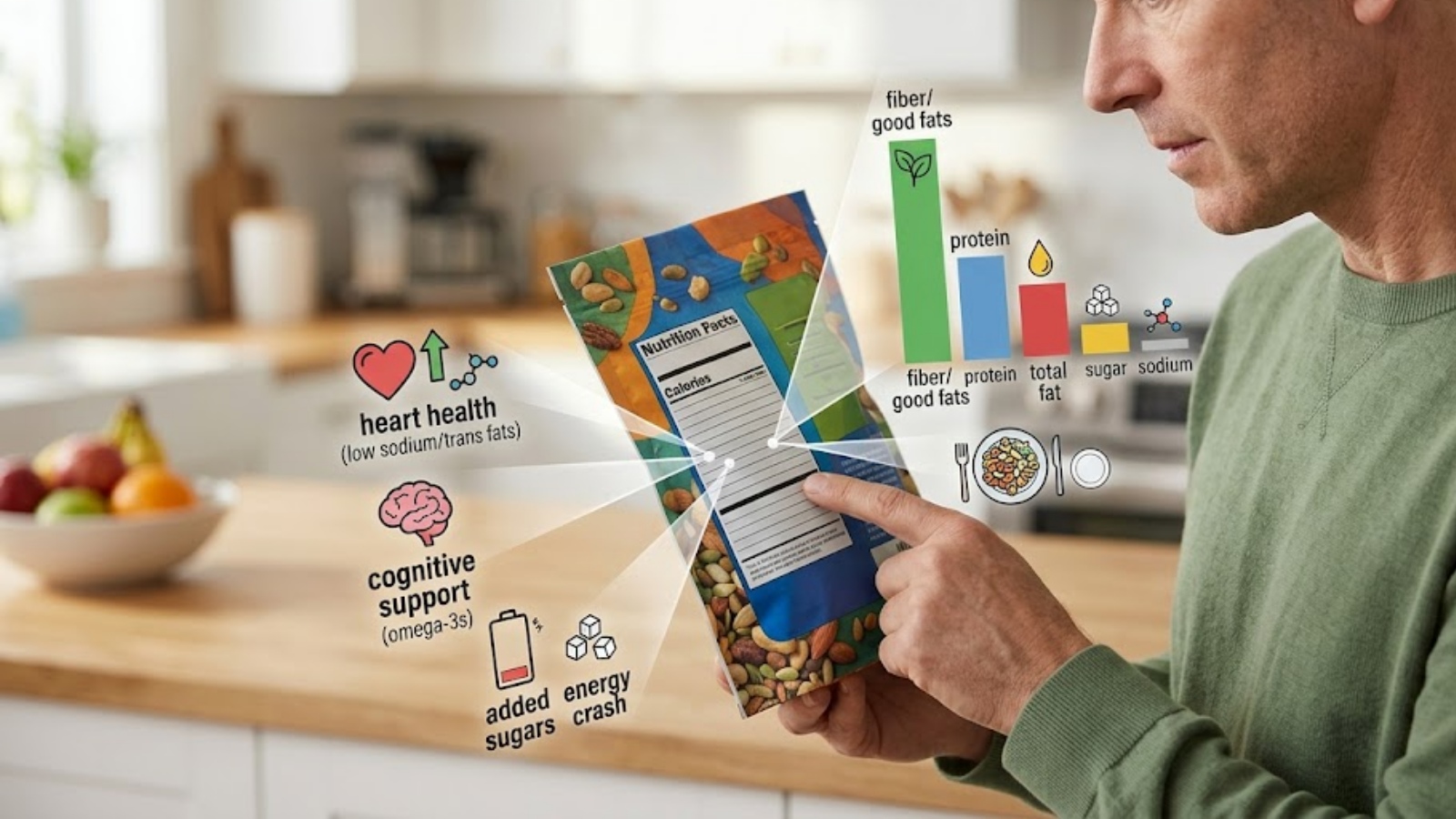
2. Nutrition facts panel
Story continues below this ad
The nutrition information panel provides details about calories, protein, carbohydrates, fibre, fats, and other nutrients.
“Consumers should pay close attention to serving size because all nutritional values are calculated based on that quantity,” explains Dt Bliss. “Looking at calories alone isn’t enough. Assess protein, fibre and fat content to determine the overall nutritional quality of the product.”
3. Use-by date and storage instructions
“Expiry dates and storage instructions are especially important for perishable products,” says Dt Bliss. “Improper storage can compromise food quality and safety even before the expiry date is reached.”
Nutritional red flags hidden in food labels
Despite growing awareness around food labels, many Indian consumers continue to make common mistakes that can affect their health, says Dt Bliss. In her opinion, shoppers often misinterpret serving sizes and assume the nutritional information applies to the entire packet rather than a single serving, leading to an underestimation of calorie, sugar and sodium intake. She also notes that hidden sugars frequently go unnoticed because they appear under names such as glucose syrup, malt extract or jaggery powder.
Story continues below this ad
Another common pitfall is blindly trusting terms like “natural,” “herbal” or “Ayurvedic,” which do not necessarily mean a product is free from artificial additives or excess sugar. Dt Bliss further emphasises that allergen warnings are often overlooked despite the risks they pose to people with sensitivities to nuts, dairy, soy or gluten. Additionally, consumers frequently fail to check manufacturing and expiry dates, particularly when purchasing products from smaller retail stores. “The ingredient list and label information remain the most reliable indicators of a product’s quality and safety,” says Dt Bliss, stressing that a few extra seconds spent reading the label can help consumers make more.
DISCLAIMER: This article is based on information from the public domain and/or the experts we spoke to. Always consult your health practitioner before starting any routine.
View original source — Indian Express ↗
Related stories
TechRadar
TechnologyJun 23, 2026 · 1 min
Some of the best kitchen appliances I've tested are massively discounted for Prime Day
TechRadar

The Verge
TechnologyJun 23, 2026 · 1 min
The Lenovo Legion Go S gaming handheld is $549 for Prime Day
The Verge

The Verge
TechnologyJun 23, 2026 · 1 min
Cheap stuff that doesn’t suck and is under $25 for Prime Day
The Verge

The Verge
TechnologyJun 23, 2026 · 1 min
Eufy’s Omni C28 is one of the best Prime Day deals on robot vacuums
The Verge