South China Morning Post
Hong Kong’s focus on rankings distorts universities’ true mission
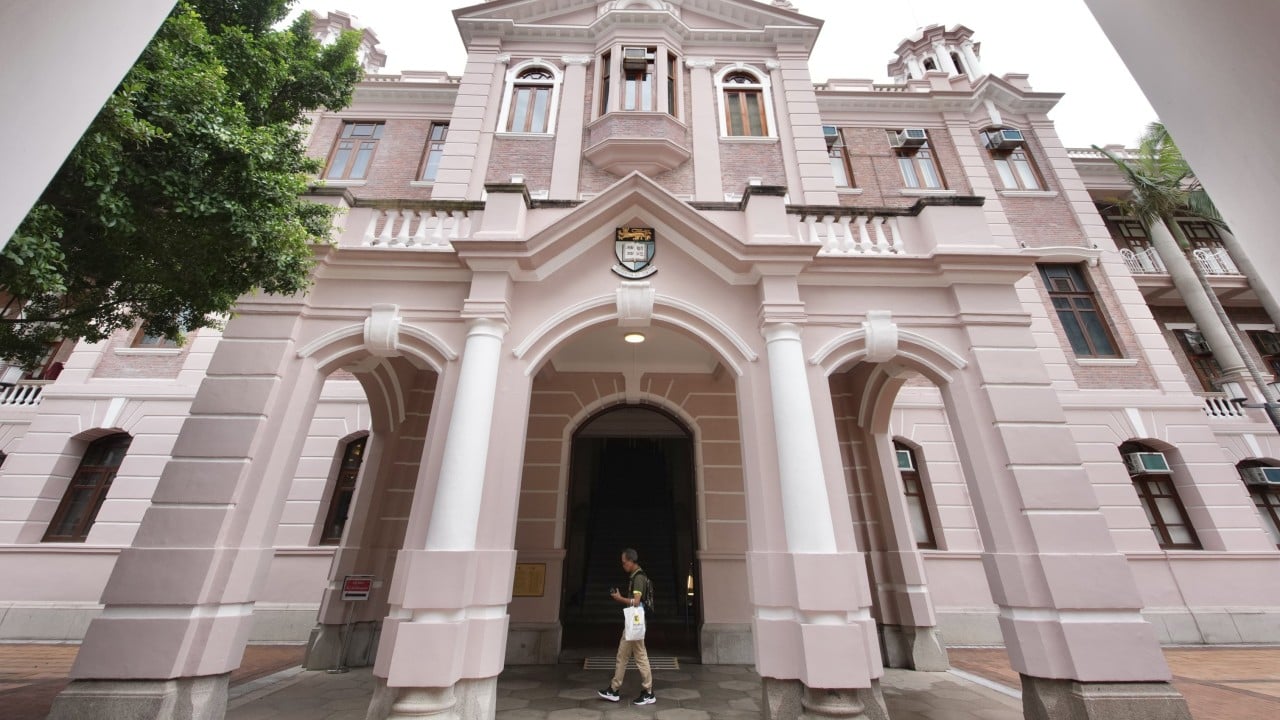
“Hong Kong is the only city in the world with five universities ranked among the global top 100.” This talking point has become one of the Hong Kong government’s favourite slogans. It has appeared in government press releases and official speeches, including Chief Executive John Lee Ka-chiu’s policy address last year.
Though pleasing to the ear, this distorts our education priorities. Hong Kong is also an outlier in attaching such political significance to university rankings.
Once the Hong Kong government started doing this, no university president in Hong Kong could afford the political risk of seeing their institution drop out of the world’s top 100. The consequence extends far beyond a single university: Hong Kong as a whole could be downgraded from a city with five world-leading institutions to only four, diminishing a much-touted point of pride.
Similarly, any university president who succeeds in helping to push this number from five to six would set a new high for Hong Kong and secure themselves a place in local education history.
Unsurprisingly, rankings have become an obsession across the sector. Institutional policies, research directions and resource allocation are shaped by ranking considerations. Activities that help rankings receive top priority; those that do not, no matter how meaningful they are, have to give way.
The problem is not university rankings themselves. Rankings are still a useful tool. The problem begins when that tool becomes universities’ primary objective. The result is enduring and profound.
View original source — South China Morning Post ↗
Related stories

Dawn
BusinessJun 24, 2026 · 1 min
PAKISTAN’S education debate is stuck in a false choice: universities or vocational training
Dawn
Bloomberg
BusinessJun 24, 2026 · 1 min
India Lets NRIs Leverage Deposits to Draw Dollars
Bloomberg

Dawn
BusinessJun 24, 2026 · 1 min
Starmer vows ‘orderly’ transition as Labour MPs mull leadership bids
Dawn

CNBC
BusinessJun 24, 2026 · 1 min
Three New York Democrats backed by Mamdani win House seat primaries; 2 incumbents lose
CNBC