CNA
IOC to consider Olympic Charter neutrality changes with Russia in focus
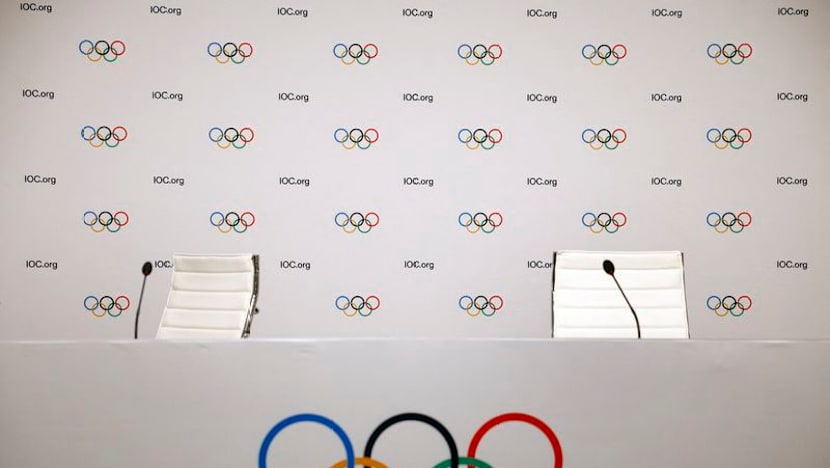
GENEVA, June 24 : The International Olympic Committee will consider changes to the Olympic Charter on Wednesday which aim to reinforce the political neutrality of sport, moves which observers say could influence future decisions on Russian athletes taking part.
The amendments would strengthen language emphasising that sport should be free from political interference. One would stress the IOC's role in ensuring neutrality "at all times, free from governmental, cultural, societal or economic pressure".
The IOC says the reforms are designed to protect athletes and competitions from outside influence and prevent the Olympic Games from being used for political purposes.
However, critics say the proposal could weaken existing barriers to Russia's full return to international sport.
Rob Koehler, director general of advocacy group Global Athlete, said it risked undermining the Olympic movement.
"The message will be unmistakable: war, systematic doping and repeated violations of the Olympic Charter are no longer barriers to full participation," he said.
Russian athletes have faced sanctions over a state-backed doping scandal linked to the 2014 Sochi Winter Games, while the IOC recommended in 2022 that Russian and Belarusian athletes be banned from competitions after the invasion of Ukraine.
RUSSIA LOOKING FOR A CHANGE
The Russian Olympic Committee was suspended in October 2023 after recognising regional Olympic councils in Russian-occupied areas of Ukraine, which the IOC said violated the Olympic Charter and Ukraine's territorial integrity.
The Olympic body has since taken gradual steps towards easing restrictions. In December, it said Russian and Belarusian youth athletes should be allowed to return to international competitions without restrictions.
Last month, the IOC lifted all restrictions on Belarusian athletes, clearing the way for them to return to international events, including qualifiers for the 2028 Los Angeles Olympics.
The IOC said the lifting of restrictions would not apply to Russian athletes. There has been increased speculation that a similar decision could be made for Russia in coming months.
In May, the IOC said its legal affairs commission was reviewing information regarding the ROC while also examining its anti-doping system, with ongoing investigations by the World Anti-Doping Agency a concern.
Sports minister and ROC chairman Mikhail Degtyarev said in April that his ministry and the ROC were "doing everything possible" to ensure the full return of the Russian national team to international competitions under the national flag.
Russia's President Vladimir Putin was quoted as saying in April that he hoped for a fresh approach from the IOC's new leadership.
Separately, the proposed reforms would also remove the fixed list of international federations from the Olympic Charter, giving the IOC greater flexibility to shape the programme based on criteria such as cost, logistics and global appeal.
Related stories

ESPN
SportsJun 24, 2026 · 1 min
Athletics' Gelof exits after hand spiked by cleat
ESPN
Sky Sports
SportsJun 24, 2026 · 1 min
Munoz strike ends DR Congo resistance and sends Colombia into last 32
Sky Sports

Philippine Daily Inquirer
SportsJun 24, 2026 · 1 min
ICYMI: Family, friends bid final farewell to Ateneo cager Baterbonia
Philippine Daily Inquirer

Euronews
SportsJun 24, 2026 · 1 min
US eases restrictions on Iranian national football team allowing travel two days before next match
Euronews