ABC News
You've probably heard of looksmaxxing, but what about mummymaxxing?
You may be familiar with looksmaxxing, the popular self-improvement trend targeting young men.
But have you heard of mummymaxxing? Also known as mommymaxxing and mommaxxing (depending on which internet rabbit hole you're going down), it focuses on optimising motherhood.
Mummymaxxing influencers share highly curated motherhood content, including postpartum bounce-back diets, work-out routines, perfectly styled homes, home-cooked nutritious snacks and baby sleep routines.
The content is not always explicitly labelled #mummymaxxing, but lives in the self-improvement, wellness and mummy blogger corners of social media, and shares similarities with tradwife culture, as one expert pointed out.
A 'dangerous' trend
"[Mummymaxxing is] essentially this idea that motherhood is something you can optimise and then perform to an audience, which I think is really dangerous," says Emma Morris.
She is a clinical nutritionist, motherhood coach and founder of a Brisbane-based wellness clinic for women focused on fertility, pregnancy, and motherhood, which also runs mothers' groups.
"The perfect mother myth is nothing new, but mummymaxxing just dresses it up as self-improvement and puts it on the feed for everyone to watch," Ms Morris says.
In some videos promoting the trend, mums can be seen waking up before the rest of the household to "lock in" for a full day of motherhood, including skin care, meal prep, play dates and gym, while others have been using the hashtag to label the trend a "scam".
Julie Borninkhof is the chief executive of PANDA (Perinatal Anxiety and Depression Australia), an organisation supporting parents and families during pregnancy and throughout the first year of parenthood.
She says while some people might find mummymaxxing relatable "in a moment in time", others may feel they can't live up to what influencers show as "achievable and doable".
Mothers already under pressure
While many mothers have often felt pressure to "be the best they can be", social media has intensified that, especially since the pandemic, Ms Borninkhof says.
"That self-expectation has always been there," she says.
"But the use of social media to validate and normalise definitely increased during COVID-19 when mums couldn't get that support in local communities."
Ms Borninkhof says it's not realistic for most women to "juggle it all".
"We have this misconception in society that we can find balance between all of the things we are expected to hold," she says.
"The reality is there are so many balls mums are trying to keep in the air and they will drop some, and that's normal."
Trends like mummymaxxing risk eroding a woman's self-confidence in her skills as a mum, Ms Borninkhof says, which can lead to stress and anxiety.
Ms Morris says women often digest the kind of content mummymaxxing promotes and internalise the message that they aren't good enough.
"It's not like women say, 'I saw this thing and now I feel awful,'" she says.
"It's an internalised hum that women are walking around with, sometimes even unaware why they feel so stressed, because we're constantly absorbing [this content] without realising."
She says consuming this kind of content can lead to feelings of guilt and shame, and ultimately, burnout.
"They feel guilty because 'I should be doing this and doing that', then it's shame that 'I am a bad mum or not cut out for this', so then the answer is to just try harder."
The antidote? Be in the moment with your child
If mummymaxxing or social media more generally is leaving you feeling less than, Ms Borninkhof says the key is to focus on your child.
"I would say the most important thing for any mother is the moment they have with their child," she says.
"Using that moment to build the relationship with their bubs, face-to-face or in-utero, enjoying and celebrating that moment."
If you're struggling, she recommends reaching out to someone you trust, speaking to your GP or connecting with PANDA.
Ms Morris says it's important for mothers to "zoom out and look at the culture we are swimming in" to gain perspective.
"The most radical thing a mum can do right now is stop trying to do it perfectly, and start being present with her children instead," she says.
"Your child doesn't need an optimised mum. They actually just need a regulated one who is there."
View original source — ABC News ↗
Related stories
Indian Express
TechnologyJun 24, 2026 · 1 min
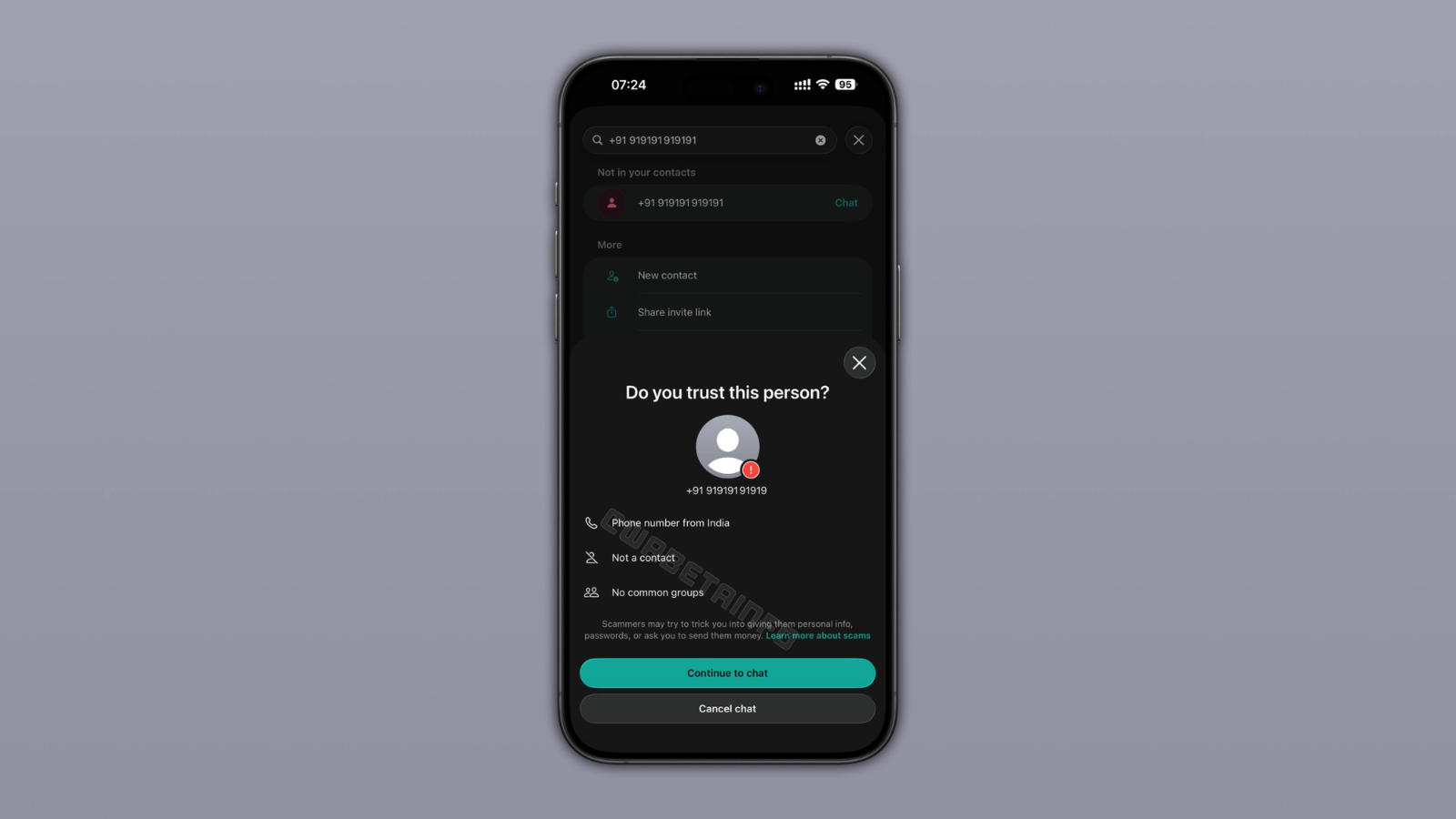
WhatsApp may now warn users before they message unfamiliar numbers: Report
Indian Express
Indian Express
TechnologyJun 24, 2026 · 1 min
Google’s YouTube settles case over social media harm to children
Indian Express

AllAfrica
TechnologyJun 24, 2026 · 1 min
South Africa: Joburg Wins Court Battle Over Water Levy - South African News Briefs - June 24, 2026
AllAfrica
AllAfrica
TechnologyJun 24, 2026 · 1 min
Rwanda: Rwanda Nears Release of First Biotech Crops
AllAfrica