Indian Express
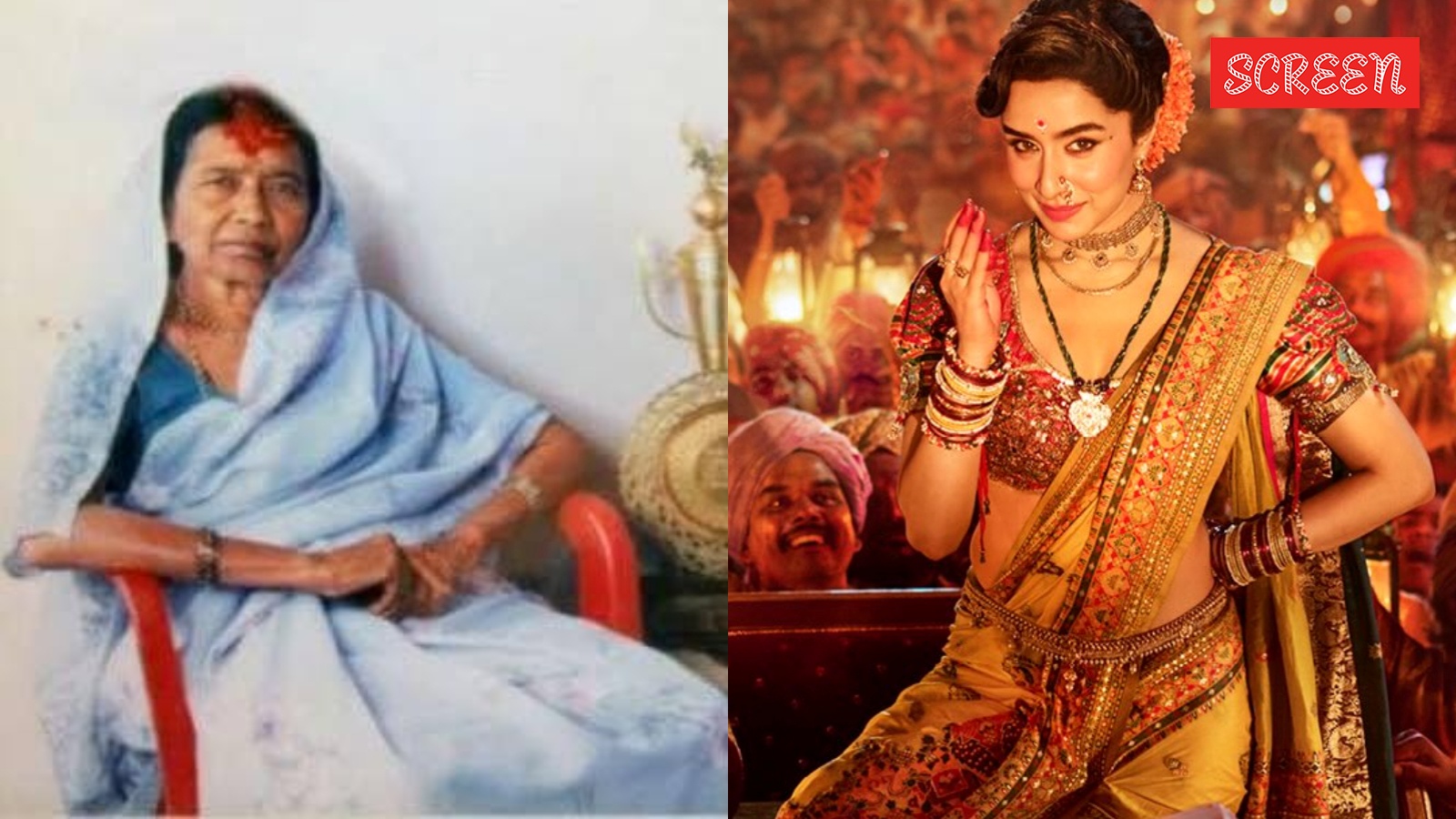
True story of Vithabai Narayangaonkar: Tamasha legend who inspired Shraddha Kapoor’s Eetha
A heavily pregnant performer walks off stage in the middle of a tamasha show. Moments later, she gives birth backstage, cuts the umbilical cord with a stone, and prepares to return before the audience. It sounds like a scene written for the movies, but it is one of the most famous stories associated with legendary lavani and tamasha artiste Vithabai Bhau Mang Narayangaonkar.
That remarkable episode has now found its way to the big screen in Eetha, the upcoming biopic starring Shraddha Kapoor. The teaser, released on Tuesday, shows Kapoor transformed into the folk icon whose life was marked by artistic brilliance, personal suffering, fierce dedication to tamasha and, ultimately, heartbreaking poverty.
Born into Maharashtra’s Tamasha tradition
Born on July 1, 1935, in Pandharpur in Maharashtra’s Solapur district, Vithabai grew up in a family where performance was a way of life. Her grandfather, Narayan Khude, had established a travelling tamasha troupe, while her father Bhau Bapu Narayangaonkar and other family members carried the tradition forward. From childhood, she was exposed to lavani, gavlan and other folk performance forms that would later define her career.
Formal acting lessons were never part of her journey. Instead, she learnt on the road, travelling with the troupe from village to village and performing before live audiences. Her natural command over the stage soon made her one of the most recognisable faces in Maharashtra’s folk theatre circuit.
ALSO READ: Gram Chikitsalay 2 review: Amol Parashar show is a nice comfort watch
The playwright who recognised her talent
A turning point in her life came when renowned Marathi playwright Mama Varerkar watched her perform. Impressed by her stage presence, he invited her to work with his troupe. Though she lacked formal theatre training, the experience helped her gain a deeper understanding of performance techniques and sharpened her skills as an artiste.
Over time, Vithabai emerged as one of the leading names in tamasha, earning admiration not just from rural audiences but also from theatre lovers and cultural figures across Maharashtra.
Story continues below this ad
The childbirth incident that became legend
Among the many stories associated with Vithabai, none is as famous as the one recreated in Eetha.
According to accounts of her life, she was nine months pregnant when labour pains began during a performance. She reportedly went backstage, delivered her baby, cut the umbilical cord with a stone and got ready to return to the stage. When the audience learnt what had happened, they stopped the performance and insisted she rest.
The incident became symbolic of her extraordinary commitment to her art and remains one of the defining moments of her legacy.
The woman who chose Tamasha over cinema
As her fame grew, so did opportunities outside folk theatre.
Story continues below this ad
Theatre director Shantanu Ghule, who created the acclaimed Marathi play Vitha based on Narayangaonkar’s life, revealed that she received multiple film offers during her career. One of those offers was reportedly from legendary filmmaker Raj Kapoor. However, Vithabai is said to have declined them all.
According to Ghule, she believed that if she left tamasha for films, the troupe that supported dozens of artistes and their families would collapse. Instead of pursuing stardom in cinema, she remained devoted to the folk art form that had shaped her life.
That decision only strengthened her bond with audiences, many of whom began calling her “Tamasha Samradni” — the Empress of Tamasha.
A difficult personal life
Behind the applause and acclaim, Vithabai’s personal life was far from easy.
Story continues below this ad
Shantanu Ghule’s play also portrayed her troubled marriage to Maruti Sawant. Sawant allegedly controlled her earnings and subjected her to abuse, creating hardships that followed her throughout her life.
National recognition
Vithabai’s talent eventually earned national recognition. She received Presidential honours for her contribution to tamasha in 1957 and again in 1990. Her popularity transcended village stages, and she performed across Maharashtra and other parts of India, becoming one of the most celebrated exponents of lavani and tamasha.
During the 1962 Sino-Indian War, she is also said to have performed special tamasha shows for Indian troops near the North-East Frontier Agency region.
Beyond performing, she actively worked for the welfare of tamasha artistes and advocated for better support systems for performers who often lived financially insecure lives.
Story continues below this ad
Her final years
Ironically, the woman who spent decades entertaining thousands struggled financially in her final years.
After suffering a paralytic attack, Vithabai died on January 15, 2002. Reports at the time revealed that her family found it difficult to pay her hospital bills and arrange for her body to be taken home for the last rites. Admirers, cultural organisations and well-wishers eventually stepped in to help.
In 2006, the Maharashtra government instituted the Vithabai Narayangaonkar Lifetime Achievement Award, presented to senior tamasha artistes for their contribution to preserving and promoting the traditional art form she dedicated her life to.
More than two decades after her death, Vithabai remains one of the towering figures of Maharashtra’s folk culture.
View original source — Indian Express ↗
Related stories

The Hollywood Reporter
EntertainmentJun 24, 2026 · 1 min
Priyanka Chopra Jonas Has a New Career Goal
The Hollywood Reporter

Indian Express
EntertainmentJun 24, 2026 · 1 min
Ranbir Kapoor-Yash meet fans at Ramayana event, showcase BTS footage
Indian Express
Indian Express
EntertainmentJun 24, 2026 · 1 min
‘When I speak, it’s a problem’: Rajinikanth reveals why he now fears public speaking
Indian Express

Indian Express
EntertainmentJun 24, 2026 · 1 min
‘Please be better’: Trinetra Haldar slams Orry’s viral gender-neutral bathroom comments
Indian Express