South China Morning Post
South China Morning Post··1 min read
How Indonesia’s coal policies left its own citizens in the dark
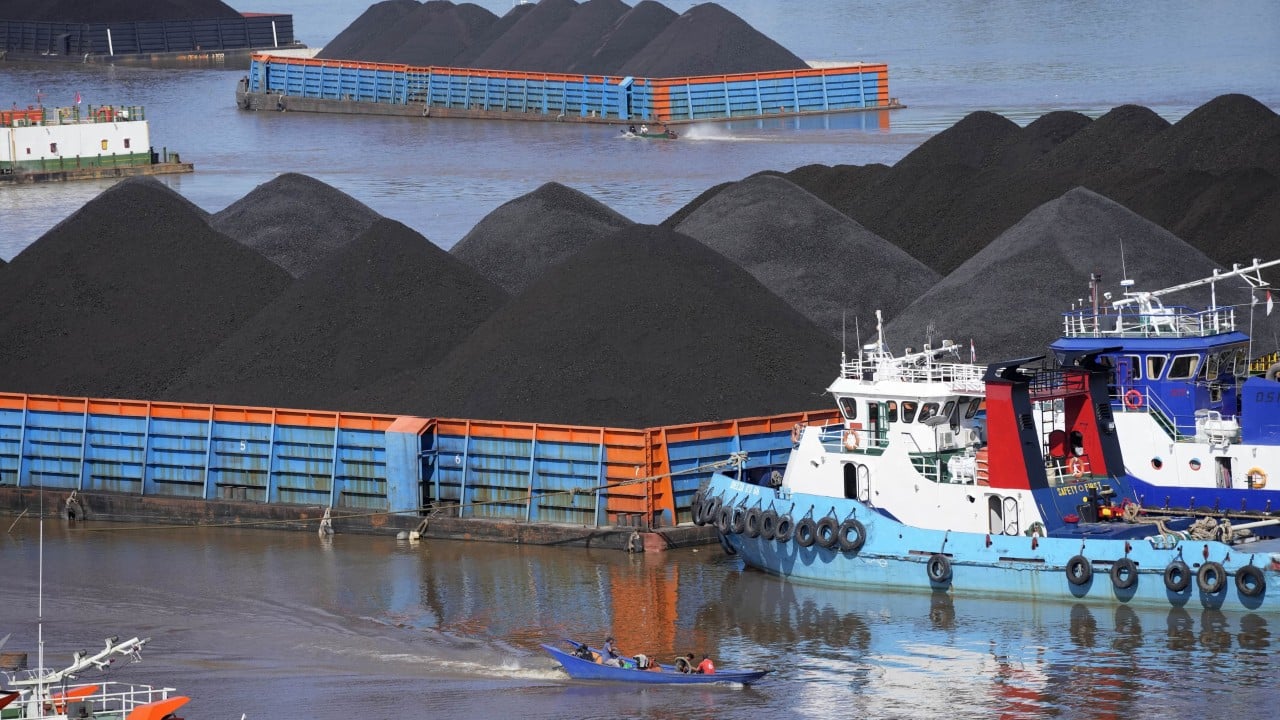
A wave of power outages across Indonesia’s Java island has left millions of residents and business owners in the dark, igniting public fury and raising questions as to how the world’s largest coal exporter is failing to keep its own lights on.
The answer, analysts say, lies less in a coal shortage than in the rules and incentives governing who gets to buy it, at what price and when.
Hours-long blackouts since last week have disrupted the lives and businesses of millions of subscribers of Indonesia’s state-owned utility firm PLN in Java, the centre of the US$1.5 trillion economy.
PLN attributed these outages to technical problems at two large power plants on the island operated by independent producers.
“[The two plants] were forced [offline] to disconnect from the Java electricity system,” PLN President Director Darmawan Prasodjo told reporters on June 19. He said PLN was facing a coal supply gap, especially for the medium-ranked coal used by its power plants.
According to the Energy and Mineral Resources Ministry, coal accounted for 64.87 per cent of Indonesia’s total electricity generation as of April.
View original source — South China Morning Post ↗
Related stories

The Punch
NewsJun 24, 2026 · 1 min
Speeding vehicle kills woman in Rivers, police nab two
The Punch
The Punch
NewsJun 24, 2026 · 1 min
Police nab two fake NDLEA operatives in Abia
The Punch

ESPN
SportsJun 24, 2026 · 1 min
Pochettino: USMNT complacency was a 'big punch'
ESPN

ESPN
SportsJun 24, 2026 · 1 min
'Crying long before the anthems': A week in the life of a 2026 World Cup player
ESPN