
Portugal Resident
Is Portugal safe? Crime, lifestyle and why expats continue to choose it
In an increasingly uncertain world, safety has become one of the most important factors influencing where people choose to live.
For many of those relocating to Portugal, whether from the United Kingdom, United States, Germany, France or elsewhere, the decision is no longer driven solely by sunshine, beaches or tax considerations. Increasingly, it is about peace of mind.
Portugal consistently ranks among the world’s safest countries, but residents often say the country’s appeal is not defined by what appears in international indexes. Instead, it is the everyday experience of life that creates a sense of security.
Children still walk to school in many communities. Elderly residents sit outside cafés late into the evening. Families gather in public squares, parks and seaside promenades. In towns and villages across the country, neighbours often know one another, creating a social fabric that many newcomers feel has disappeared elsewhere.
That sense of normality can be found throughout Portugal. In the Algarve, life continues to revolve around local communities despite the region’s international popularity. In Madeira, residents often speak of the island’s strong community spirit and slower pace of life. In the Azores, many newcomers are drawn by a close connection to nature and an even more relaxed environment. Meanwhile, cities such as Lisbon and Porto combine the amenities of modern urban living with crime levels that remain comparatively low by international standards.
This is not to say crime does not exist.
Like most European countries, Portugal experiences petty crime, particularly pickpocketing and opportunistic theft in busy tourist areas. Visitors to popular locations in Lisbon, Porto and major tourist destinations are advised to take sensible precautions.
However, violent crime remains relatively uncommon. For many foreign residents, one of the most noticeable differences is the absence of the aggression, social tension and fear that have become part of daily life in some larger cities elsewhere in Europe and North America.
The country’s political stability also plays a role. While governments change and political debates can be heated, Portugal remains a stable democracy with strong institutions and relatively low levels of social unrest. Major demonstrations are generally peaceful and everyday life is rarely disrupted.
Healthcare provides another layer of reassurance. Portugal’s public healthcare system, complemented by an extensive private sector, offers residents access to medical care throughout the country. While challenges and waiting lists certainly exist, many newcomers view access to healthcare as an important component of personal security.
The country’s lifestyle itself may also contribute to feelings of safety. Portuguese culture places a strong emphasis on family life, social connections and community. Meals are often shared, public spaces remain well used and many towns retain a strong local identity. These factors can create an environment where people simply feel more comfortable.
As a result, Portugal has increasingly become what some relocation experts describe as a “backup plan” country. For Americans concerned about political division, for Britons seeking a slower pace of life, or for Europeans looking for stability and quality of life, Portugal often appears near the top of the list.
Many who arrive intending to stay for a few years end up remaining far longer.
Ultimately, safety is about more than crime figures.
It is about how people feel when they walk through their neighbourhood, whether they trust their community, and whether daily life feels predictable and secure.
For many residents across mainland Portugal, Madeira and the Azores, that may be the country’s greatest luxury of all.
View original source — Portugal Resident ↗
Related stories

ZDNet
TechnologyJun 24, 2026 · 1 min
Google Home Speaker review: The smart speaker that elevates the Gemini for Home experience
ZDNet

Wired
TechnologyJun 24, 2026 · 1 min
The Samsung 990 Pro SSD Is on Sale for the Lowest Price You’re Likely to See This Year.
Wired
TechRadar
TechnologyJun 24, 2026 · 1 min
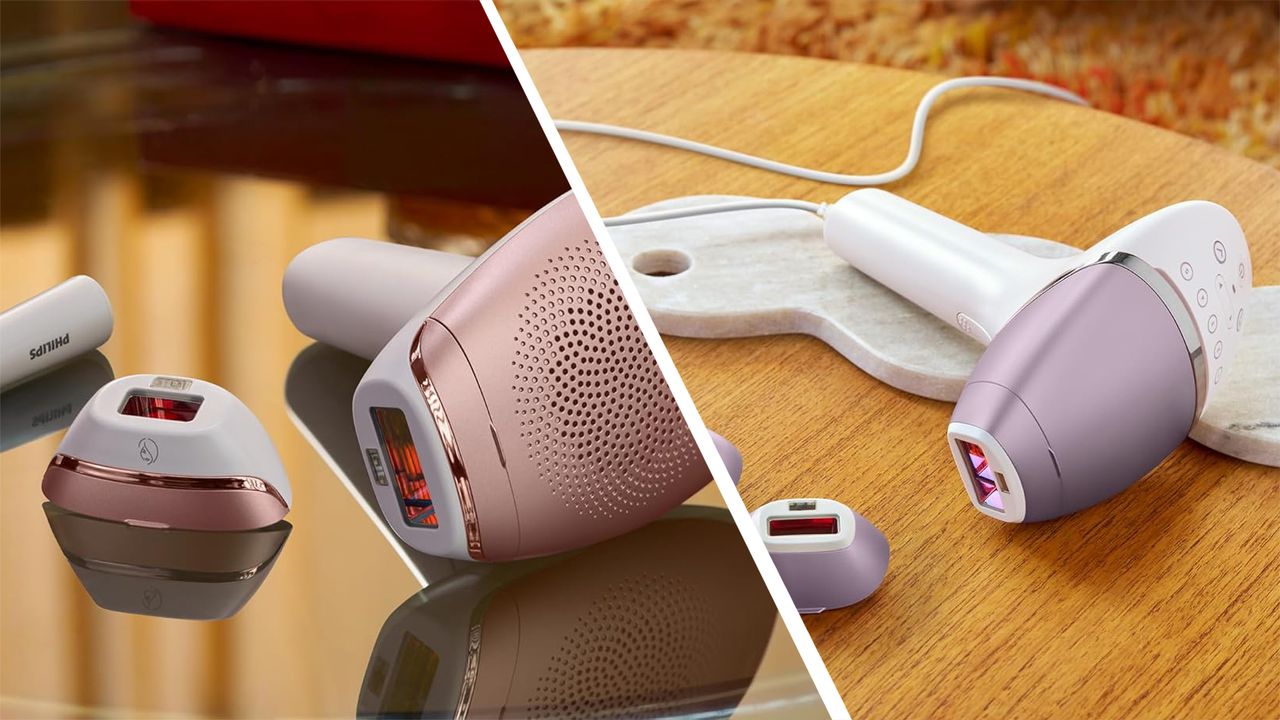
I've been using an IPL laser hair remover for five years — here are 3 things to know if you're thinking of getting one
TechRadar

The Verge
TechnologyJun 24, 2026 · 1 min
Philips Hue’s smart lights are getting a connectivity upgrade
The Verge