Indian Express
Indian Express··4 min read
Tarun Tejpal acquittal: Goa government questions trial court’s silence on woman’s ‘character assassination’
4 min readPanajiUpdated: Jun 24, 2026 06:45 PM IST
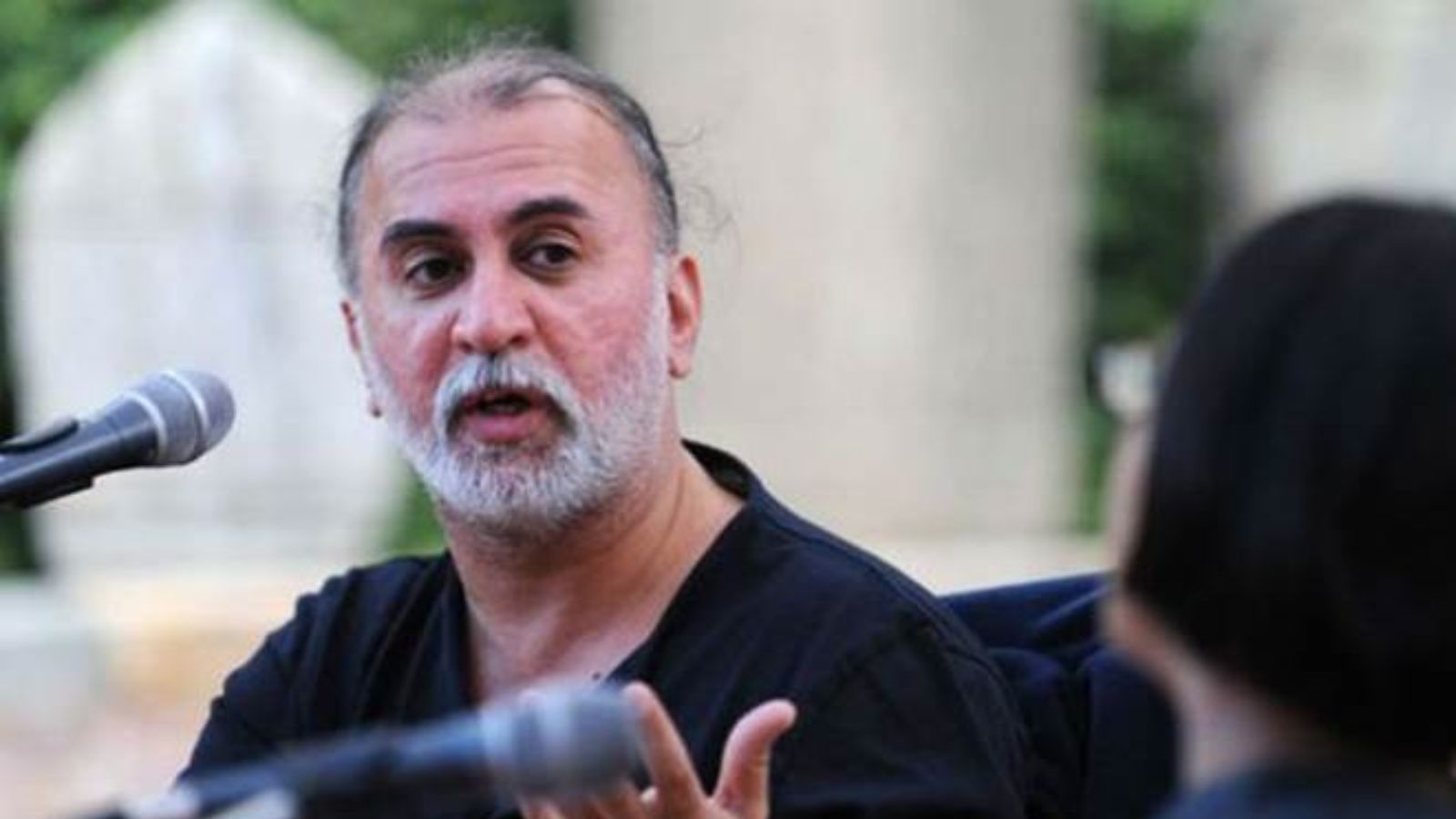
In 2021, a sessions court in Goa acquitted Tejpal of all charges, observing that the complainant “did not demonstrate any kind of normative behaviour” (Express Archive Photo)
Challenging the acquittal of Tarun Tejpal, the former editor-in-chief of Tehelka who was accused of sexually assaulting his then colleague in a Goa hotel in 2013, the Goa government on Wednesday argued before the High Court of Bombay at Goa that it was a “classic case of perverse findings”.
Solicitor General Tushar Mehta, appearing for the state government, told the High Court that “embarrassing” questions put to the complainant during her cross-examination, concerning whether it is immoral to have consensual sex or consume alcohol or smoke cigarettes voluntarily or whether she had conversations containing “sexual overtones” with friends, should not have been asked or taken into consideration by the trial court.
“This is the learned Judge, recording findings… with regard to the girl who has remained consistent through her testimony. This is what perversity looks like. This is the classic case of perverse findings,” he said.
The woman journalist had complained that Tejpal sexually assaulted her in the hotel elevator on November 7, 2013, and November 8, 2013. In 2021, a sessions court in Goa acquitted Tejpal of all charges, observing that the complainant “did not demonstrate any kind of normative behaviour” that a victim of sexual assault “might plausibly show”.
Ruling that there was no medical evidence, the court said the woman’s messages to the accused clearly establish that she was neither “traumatised nor terrified” and this “completely belies” the prosecution’s case. The Goa government had subsequently filed an appeal in the High Court of Bombay at Goa challenging the acquittal, and arguments in the case are ongoing.
In its judgment in 2021, the trial court had cited the woman’s relationships in the past, her views on consensual sex, drinking, smoking, her “cheerful and happy and far from traumatised or upset” appearance in photographs taken after the alleged assault, her visit to the hotel suite of an actor she was chaperoning “at an unnaturally late hour”, “flirtatious and sexual conversations” with friends over WhatsApp to come to the conclusion that she “cannot be called a trustworthy or reliable witness”.
Mehta told the High Court that the prosecution had insisted on not putting such questions to the prosecutrix and that she was not on trial, but the trial court remained silent. “These are all embarrassing questions. We are not supposed to embarrass rape victims or molestation victims. Therefore, the Supreme Court has said that the trial court, while recording evidence, is not a post office. The court is not supposed to sit there as a mere court. They will have to participate and stop wherever something contrary to the statute is there,” he said.
Story continues below this ad
Citing the court’s reliance on the deposition of a witness who claimed that the prosecutrix had “flirtatious and sexual conversations” with friends and acquaintances and WhatsApp chats as the proof, he said, “This is character assassination… clearly prohibited under the Indian Evidence Act. It should not have gone in the judgment, much less gone into the consideration of the court.”
“If this is the law which is to be accepted, then we would be violating the statutory provision, where the past character of the prosecutrix is not to be questioned… This can never be a ground of defence. In the present day… the generation… they send such messages with some sexual overtones and adult content… that does not mean that she is agreeing… (or) she is consenting to having sexual intercourse or oral sex,” he added.
In its judgment in 2021, the trial court said there was no corroborative evidence supporting the allegations made by the complainant. “It is extremely revealing that the prosecutrix’s account neither demonstrates any kind of normative behaviour on her own part – that a prosecutrix of sexual assault on consecutive two nights might plausibly show nor does it show any such behaviour on the part of the accused.” The trial court had said it was “unnatural” on the part of the woman to message Tejpal about her location in the hotel where she was chaperoning a prominent US actor.
© The Indian Express Pvt Ltd
Pavneet Singh Chadha is the Goa Correspondent of The Indian Express. His reporting focuses intensely on the state of Goa, covering major developments in politics, governance, and significant local events, which establishes his high degree of Expertise and Authority in the region.
Expertise
Geographic Expertise: As the Goa correspondent, Pavneet provides on-the-ground, comprehensive coverage of Goa's political, social, and cultural landscape, ensuring readers receive timely and localized insights.
Key Coverage Focus: His recent work demonstrates deep investigative capabilities and a focus on high-impact stories, including:
Investigative Reporting: Extensive coverage of complex events such as major incidents (e.g., the Goa nightclub fire), tracing the legal, political, and safety lapses involved.
Government and Law Enforcement: Detailed tracking of police actions, deportations, and legal proceedings related to significant local cases.
Policy and Governance: Reporting on the judiciary (e.g., Goa High Court flagging illegal structures) and the actions of government departments.
He tweets @pub_neat ... Read More
Tags:
Goa government
Tarun Tejpal
View original source — Indian Express ↗
Related stories

ESPN
SportsJun 24, 2026 · 1 min
Olympians to get grants from IOC's $100M fund
ESPN

ESPN
SportsJun 24, 2026 · 1 min
USMNT's Balogun has the World Cup, Europe's bigges...
ESPN

The Punch
NewsJun 24, 2026 · 1 min
Osun Rep denies involvement in murder of Accord party member
The Punch
The Punch
SportsJun 24, 2026 · 1 min
Nigerians unhappy over Super Eagles’ World Cup miss, Wike tells Yobo
The Punch