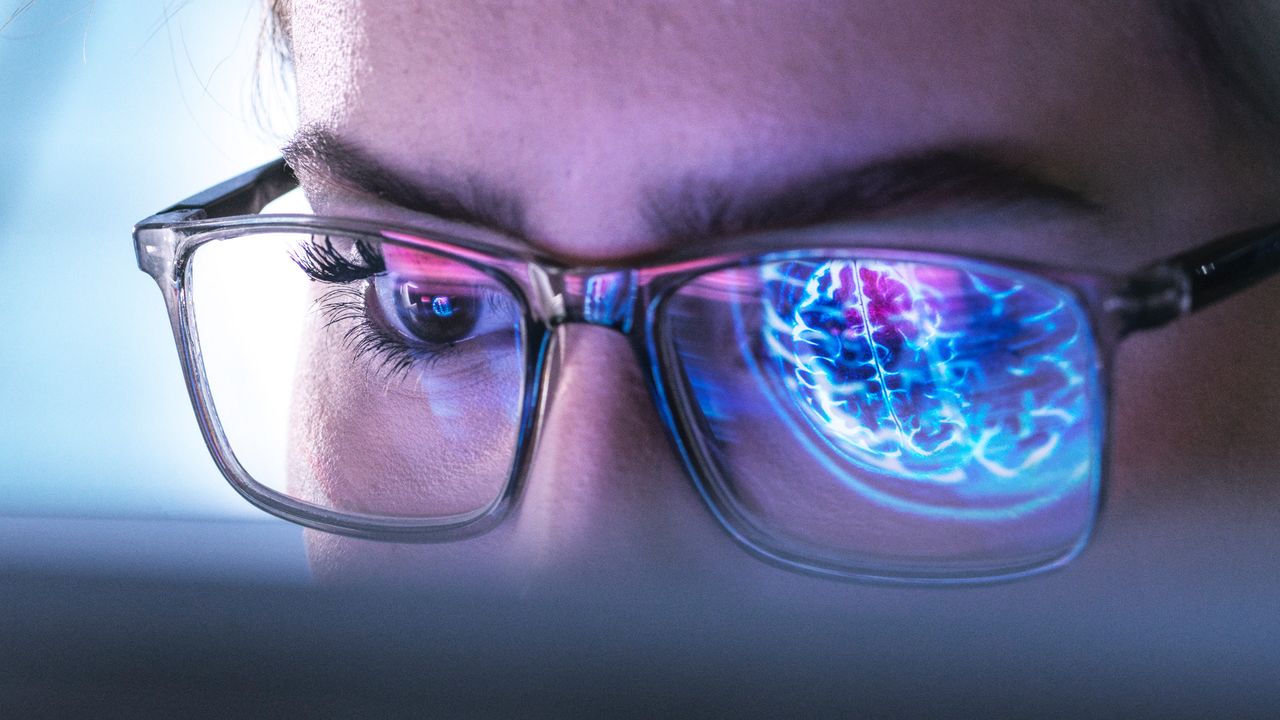
Why wearable AI must reduce cognitive overload
Professionals end every day feeling behind or burnt out, but not because they haven’t worked hard enough or clocked off earlier that day.
It’s because the volume of information, decisions, and context-switching is moving faster than the pace humans can realistically handle.
A recent Microsoft report put numbers to what people are feeling.
Founding Product Manager at Plaud.
Eight in 10 of the global workforce say they lack enough time or energy to do their work, and 60% of meetings are happening as ad hoc calls or quick chats outside the pre-scheduled day-to-day.
This isn’t a motivation problem, it’s a capacity one - and it's created one of the defining contradictions of modern work. Businesses have never had more ideas, expertise, or ambition at their disposal, yet the people inside them are increasingly starved of the time and clarity needed to turn that potential into progress.
The smartphone makes this contradiction impossible to ignore. It is one of the most consequential inventions of the 21st century, yet also one that many people actively try to use less. Screen-time limits and digital detoxes are not anti-technology trends. They are signs that people are trying to regain control over a tool that has become indispensable, but increasingly overwhelming.
The message is simple: the market isn't asking for more technology. It's asking for relief.
Sign up to the TechRadar Pro newsletter to get all the top news, opinion, features and guidance your business needs to succeed!
Technological exhaustion
People are adopting or looking at things like digital assistants, wearable AI, focus apps, and workflow automation, not because the technology is impressive. They're doing it because they're exhausted.
That distinction matters because cognitive overload has become a workplace crisis. And the first wave of wearable AI missed the opportunity to solve it.
Instead of building practical tools, companies chased futuristic visions. Early wearable AI products asked "what can AI do?" instead of "what problem needs solving?"
The Humane Pin is the most obvious and probably the most well-known industry example. The vision was compelling, but the execution wasn't there. It positioned itself as a complete phone replacement before proving it could do even just one thing better than a phone. Ultimately, it tried to be everything and ended up being nothing.
This approach didn't reduce cognitive overload - it created more. Another device to manage. Another thing running in the background of an already overwhelming life.
The wrong question asked was: "How do we replace the phone entirely?"
A much better question is: “Where are people losing the most time, energy, and clarity — and how can technology give some of it back without demanding more from them?”
Useful technologies
The most useful technologies rarely arrive by replacing everything at once. The calculator didn't try to replace the accountant - it eliminated one specific source of friction and became indispensable.
It’s the same with wearable AI assistants. Progress is made in practice, not promises.
The wearables gaining real traction share one quality: users can explain their value in a single sentence. "This device exists so I can stop worrying about X." That clarity isn't a constraint - it is the product.
The future of this category will not be defined by the devices with the boldest premise. It will be defined by those who understand where people are most overloaded and remove that pressure without asking for much in return.
Does the technology make someone feel more capable or more managed? Does it reduce the number of things they have to remember, check, repeat, and translate? Does it create clarity, or simply another stream of information?
Those questions are less glamorous than asking whether AI can replace the smartphone. But they are also far more useful.
The wearables that will actually help aren't the ones with the boldest premise; they're the ones that solve one real problem but do it well.
In a world drowning in information, that may be the most ambitious thing technology can do.
Simplify work with the best AI tools.
This article was produced as part of TechRadar Pro Perspectives, our channel to feature the best and brightest minds in the technology industry today.
The views expressed here are those of the author and are not necessarily those of TechRadarPro or Future plc. If you are interested in contributing find out more here: https://www.techradar.com/pro/perspectives-how-to-submit
View original source — TechRadar ↗
Related stories

Intuit will show off how it rebuilt its AI infrastructure to support fast and complex tasks at VB Transform 2026
Dutton Ranch season 2 renewed by Paramount+ ahead of 'explosive' season 1 finale

Somalia: Puntland Announces New Security Measures, Warns Against Unauthorized Militias and Federal Activities
