Indian Express
Indian-origin CEOs leading global companies: From Google to WhatsApp
Meta’s appointment of CRED founder Kunal Shah as the new chief executive officer of WhatsApp has placed the spotlight on a long-running trend in global business: the growing prominence of Indian-origin executives at the helm of some of the world’s most influential companies. According to Reuters, Shah’s appointment follows Meta’s investment in CRED and comes at a time when WhatsApp serves more than three billion users worldwide.
While Shah is the latest addition to this group, he joins a roster of Indian-origin leaders heading companies across technology, logistics, cybersecurity, consumer goods and digital media.
Digital platforms have become central to everyday communication, entertainment and business. According to the Khaleej Times, Indian-origin executives now lead some of the world’s largest digital platforms, influencing how billions of people interact online.
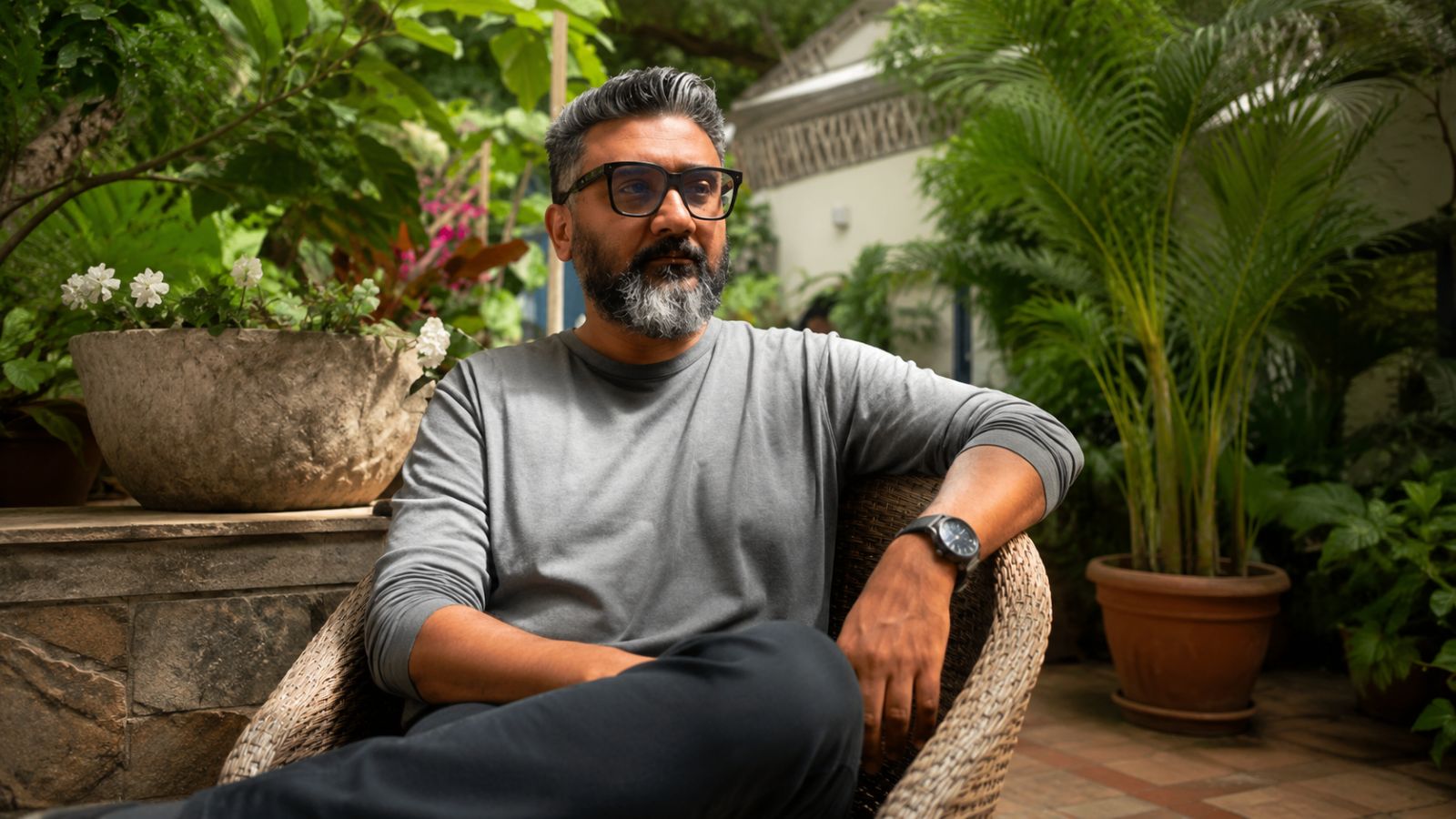
Kunal Shah, WhatsApp
Kunal Shah is the newest entrant in the group following his appointment as head of WhatsApp. Reuters notes that the appointment came after Meta’s $900 million investment in CRED. Shah is expected to oversee the platform’s next phase of growth, particularly in areas such as artificial intelligence, subscriptions and business messaging.
Kunal Shah, head of WhatsApp. (File Photo)
Neal Mohan, YouTube
The Khaleej Times notes that Neal Mohan serves as chief executive officer of YouTube, the world’s largest video-sharing platform. His leadership places him at the centre of developments in creator-driven content, streaming and digital advertising.
Raj Subramaniam, chief executive officer of FedEx. (File Photo)
Technology’s most influential leaders
The technology sector remains one of the most visible examples of Indian-origin leadership in global business. Several executives of Indian origin currently head some of the world’s largest technology companies and help to shape developments in artificial intelligence, cloud computing and enterprise solutions.
Story continues below this ad
Satya Nadella, Microsoft
According to Forbes, Hyderabad-born Satya Nadella has served as Microsoft’s chief executive officer since 2014. The publication credits him with helping transform the company into a major force in cloud computing and artificial intelligence. Under his leadership, Microsoft has strengthened its position among the world’s most valuable companies while expanding its investments in AI technologies.
Satya Nadella, CEO of Microsoft (File Photo)
Sundar Pichai, Alphabet and Google
The Khaleej Times reported that Sundar Pichai has led Google since 2015 and later assumed leadership of parent company Alphabet. Born in Chennai, Pichai oversees products including Google Search, Android, Chrome, YouTube and Gemini AI, which are used by billions of people globally.
Sundar Pichai, chief executive officer of Google and Alphabet. (File Photo)
Arvind Krishna, IBM
Arvind Krishna became IBM’s chief executive officer in 2020 after playing a significant role in the company’s cloud strategy and the acquisition of Red Hat. The IIT Kanpur graduate has since overseen IBM’s efforts to strengthen its enterprise technology and hybrid cloud offerings.
Arvind Krishna, CEO of IBM (X Photo)
Powering cybersecurity and digital infrastructure
As businesses increasingly rely on digital systems, cybersecurity and cloud infrastructure have become critical industries. Khaleej Times highlighted two Indian-origin executives who are helping shape these sectors.
Story continues below this ad
Nikesh Arora, Palo Alto Networks
CNBC reported that former Google executive Nikesh Arora leads Palo Alto Networks, one of the world’s leading cybersecurity companies. The company’s growth has been supported by rising global demand for digital security solutions as organisations seek protection against evolving cyber threats.
Nikesh Arora, chief executive officer of Palo Alto Networks. (File Photo)
Jayshree Ullal, Arista Networks
Jayshree Ullal has transformed Arista Networks into a major provider of cloud networking technology used by hyperscale data centres worldwide. She is widely regarded as one of Silicon Valley’s most influential business leaders.
Jayshree Ullal, chief executive officer of Arista Networks. (File Photo)
Steering global supply chains and industrial innovation
Indian-origin executives are also playing key roles in industries that underpin global trade and manufacturing. Leaders in logistics and industrial technology continue to oversee some of the world’s largest companies in these sectors.
Raj Subramaniam, FedEx
Originally from Kerala, Raj Subramaniam became only the second chief executive officer in FedEx’s history when he succeeded founder Fred Smith in 2022. He now leads one of the world’s largest logistics and transportation companies.
Story continues below this ad
Raj Subramaniam, CEO of FedEx (File Photo)
Vimal Kapur, Honeywell
Vimal Kapur spent more than three decades at Honeywell before becoming chief executive officer in 2023. He currently oversees the company’s operations across sectors, including automation, aerospace and energy technologies.
Vimal Kapur, CEO of Honeywell (LinkedIn Photo)
Leading a consumer goods giant
While technology dominates discussions around global business leadership, Indian-origin executives have also risen to the top of major consumer-facing companies.
Shailesh Jejurikar, Procter & Gamble
According to the Khaleej Times, Mumbai-born Shailesh Jejurikar became chief executive officer of Procter & Gamble in January 2026 after spending nearly four decades with the company. He now leads one of the world’s largest consumer goods manufacturers, whose brands are used by millions of households worldwide.
Shailesh Jejurikar, CEO of Procter & Gamble (File Photo)
Growing presence across industries
Indian-origin executives today lead companies across a wide range of sectors, including technology, digital media, cybersecurity, logistics, industrial manufacturing and consumer goods. Their presence at the helm of multinational corporations reflects the increasingly global nature of corporate leadership and the significant role these executives play in shaping products and services used by billions of people around the world.
View original source — Indian Express ↗
Related stories

TechRadar
TechnologyJun 24, 2026 · 1 min
We know GTA 6's price now, so prepare for its launch with these Logitech and Razer headset and controller Prime Day…
TechRadar

The Verge
TechnologyJun 24, 2026 · 1 min
The solar-powered Birdbuddy Pro is on sale for $168, the lowest price yet
The Verge

TechRadar
TechnologyJun 24, 2026 · 1 min
How to watch Switzerland vs Canada
TechRadar
TechRadar
TechnologyJun 24, 2026 · 1 min
Geekom's Prime Day mini PC deals just dropped — here's our verdict based on our benchmark tests
TechRadar