
Rio Times
Africa Intelligence Brief — Wednesday, June 24, 2026
Across the continent this week, one question kept surfacing: who truly holds the power to decide. Voters claimed it at the ballot box, coalition partners wrestled over it, and armed groups challenged the state for it.
From a governor’s race in Nigeria to a quiet power play inside South Africa’s coalition, and from a tense Kenyan treasury to the embattled Sahel, the theme was the same. Authority is being contested, openly and everywhere.
Today’s Africa Intelligence Brief covers the continent’s politics, economy, and security. We pulled it together from major African outlets in English, French, Arabic, Portuguese, and Swahili.
Nigeria — The Voters Decide
An Incumbent Holds
Nigeria’s election commission declared Governor Biodun Oyebanji re-elected in Ekiti State. He defied a state long known for turning its sitting governors out of office.
The result was settled at the ballot box and accepted as the count came in. For once, a contested seat was decided cleanly and without violence.
A Quiet Strength
It is the kind of orderly handover that builds confidence over time. An assertive democracy answered its own question through the vote.
The calm result stands out against the country’s other strains. Here, at least, authority was renewed the peaceful way.
South Africa — Who Runs The Coalition
A Reshuffle Pre-Empted
A senior coalition partner announced a cabinet reshuffle before the President had decided. The move laid bare a quiet struggle over who really runs the unity government.
The President is known for taking his time over such choices. His partners, it seems, grew tired of waiting and moved first.
The Bargain Tested
It is the central tension of governing by coalition rather than majority. Power is shared, and so the question of who decides is never fully settled.
Beneath the noise, the economy is slowly mending. But the contest over authority could yet slow the recovery down.
Kenya — The Street Stirs Again
A Tax Law Looms
A new tax law for the coming year now awaits the President’s signature. The government is seeking fresh revenue ahead of next year’s elections.
Memories of last year’s deadly protests are stirring once more. Families of the victims have notified police of planned marches in early July.
A Restless Public
Kenya is a youthful nation that has shown it will take to the street. The contest over the budget keeps spilling out of parliament and into the open.
The government is courting young voters even as anger simmers. The question is whether the public accepts the new law or rejects it.
Nigeria — The Currency Slips
A Four-Week Low
The naira weakened to about 1,373 to the dollar, its lowest in four weeks. The slide kept pressure on businesses and households alike.
At the same time, manufacturers warned that credit to their sector had fallen sharply. The squeeze makes it harder for firms to invest and grow.
The Quiet Argument
Money carries the same argument about control in a quieter form. A weaker currency tests how firmly the authorities can steady the economy.
The reforms of recent years were meant to bring stability over time. For now, the strain is still being felt across the country.
The Sahel — The State Under Fire
Capitals Under Pressure
Armed groups keep pressing the military-led states across the central Sahel. A recent strike on Niamey’s strategic airport showed how exposed the capitals remain.
The juntas in Mali, Burkina Faso, and Niger have leaned on new partners. They have cut many of their old ties to Western governments.
The Contest By Force
Here the question of who governs is being settled with guns, not votes. It is the starkest form of the week’s argument over authority.
The states are fighting to hold their ground and their cities. Whether they can do so will shape the wider region’s stability.
Angola — The Quiet Reformer
A Steady Push
Angola is pressing on with a steady programme of economic reform. The push runs from currency flexibility to building up secondary cities.
The aim is to move the economy away from its heavy reliance on oil. The changes are gradual but increasingly look like a real trend.
Discipline As An Answer
The country’s reply to pressure is patience rather than upheaval. It is choosing the slow, disciplined path toward a broader base.
That approach asks for trust that the payoff will come later. For now, the reforms are reshaping the economy piece by piece.
Egypt — The Discipline Holds
Grinding Through
Egypt keeps working through a tight reform programme backed by its lenders. The central bank has begun easing carefully as inflation slowly comes down.
The path has been long and the external financing needs remain heavy. But the broad direction has held steady through a difficult stretch.
Control And Patience
Egypt’s answer to its pressures is firm control and patience. It is managing its way through rather than gambling on a quick fix.
The early signs of easing inflation are a modest reward. The harder work of deeper reform still lies ahead.
West Africa — Ghana’s Rising Star
A Changing Order
Ghana’s economy is recovering, and forecasts now see it overtaking its western neighbour. The shift hints at a changing balance among West Africa’s larger economies.
A credible path back from crisis has restored some confidence. Investors are beginning to look at the country with fresh eyes.
Confidence Returns
It is a story of a nation steadily regaining its footing. The mood is one of cautious optimism after several hard years.
The rivalry between the region’s larger economies is heating up. Ghana’s revival is reshaping how that contest looks.
The Read
One question ran through the week across the continent, and it was a question of authority. In country after country, Africa was arguing with itself over who truly holds the power to decide.
In Nigeria, the voters answered, returning a governor in a state used to change, even as the naira slipped to a four-week low and manufacturers warned of a credit squeeze. In South Africa, the answer was murkier and fought inside the government, as a coalition partner moved on a cabinet reshuffle before the President had made up his mind, while in Kenya the question drifted back toward the street ahead of a tense July.
In the Sahel, the contest was openly violent, with armed groups still pressing the military states for the right to govern, while Angola and Egypt answered their own pressures with patient discipline and Ghana quietly rose as a regional rival. The thread of the week was a single one: a continent measuring its own strength by who, in the end, is trusted to decide.
What to Watch
Today · Nigeria’s election commission declares Governor Oyebanji re-elected in Ekiti State
Today · A South African coalition partner announces a cabinet reshuffle before the President decides
Today · The naira slips to about 1,373 to the dollar, a four-week low, as manufacturers warn on credit
This week · Kenya’s new Finance Bill awaits the President’s signature amid fresh protest plans
Early July · Families of last year’s protest victims plan marches in Kenya
This week · Armed groups keep pressing the Sahel’s military states after a strike on Niamey’s airport
This week · Angola presses currency and economic reforms; Egypt’s central bank eases carefully
Ahead · Forecasts see Ghana’s economy overtaking its western neighbour
View original source — Rio Times ↗
Related stories

The Punch
BusinessJun 24, 2026 · 1 min
NCGC, SMEDAN partner to expand MSME access to loans
The Punch
The Guardian
BusinessJun 24, 2026 · 1 min
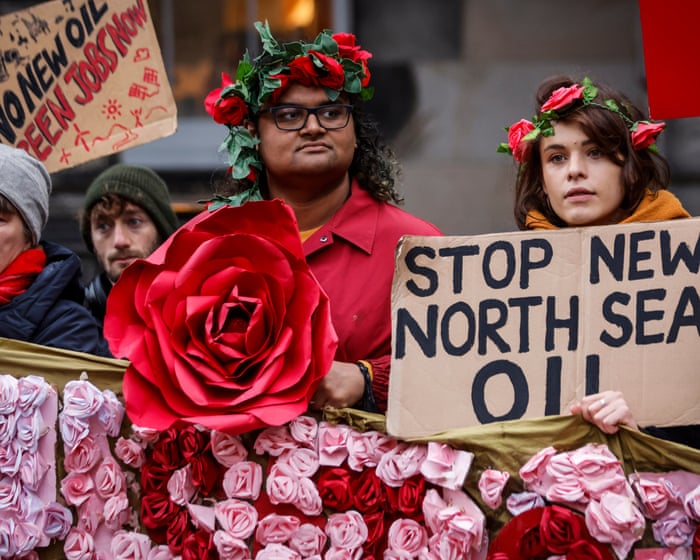
Exploit last North Sea oil and gas or risk mass job losses, Andy Burham urged
The Guardian
Buenos Aires Times
BusinessJun 24, 2026 · 1 min
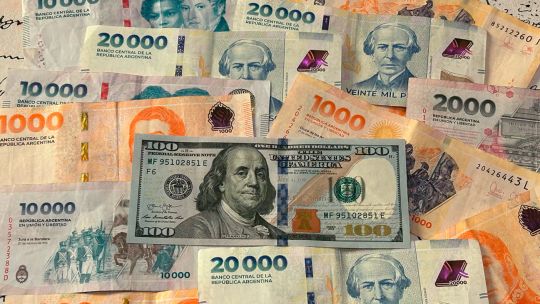
Argentines in arrears: 1 in every 4 families cannot pay their debts
Buenos Aires Times

BBC
BusinessJun 24, 2026 · 1 min
Elon Musk loses trillionaire status as global tech rout hits SpaceX
BBC