Times of Israel
Katz vows no IDF withdrawal from south Lebanon ‘even if there’s an American demand’
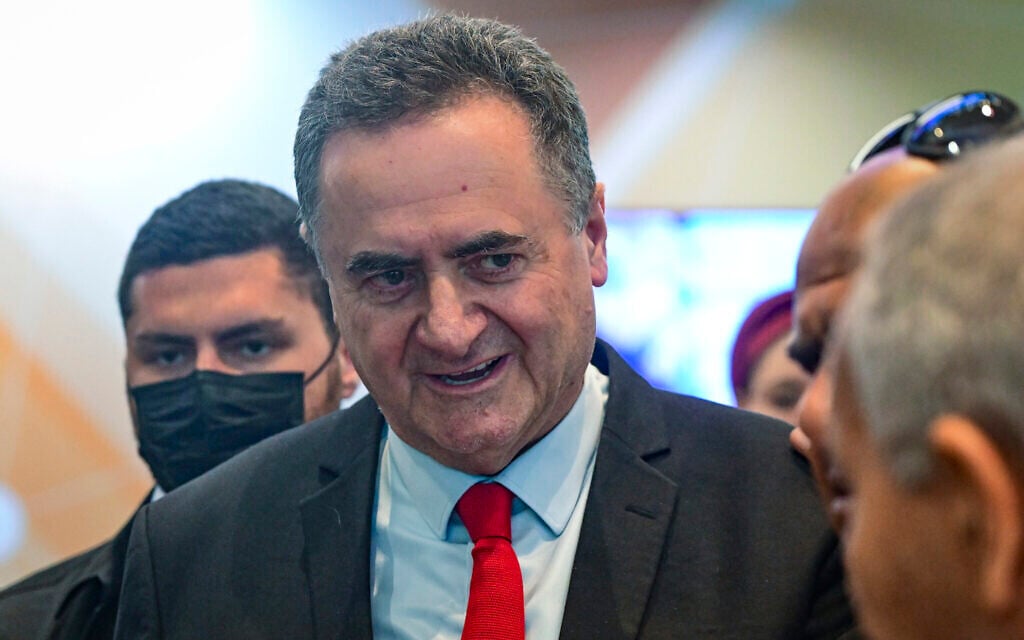
Defense Minister Israel Katz vowed Wednesday that the IDF will not withdraw from its southern Lebanon security zone, “even if there is an American demand,” while adding there was no such demand at this time.
The fighting in Lebanon remains a key flashpoint in wider US-Iran negotiations. A memorandum of understanding that halted a war between the US and Iran also imposed a ceasefire in the fight between Israel and Hezbollah in Lebanon. But Israeli leaders assert that forces will stay put until the threat from the Iran-backed terror group Hezbollah has ended. Hezbollah dragged Lebanon into the war by attacking northern Israel in March.
“The IDF is prepared… and we are not retreating,” Katz said in an onstage interview at the Muni Expo conference for local officials in Tel Aviv. “We announced that in any case we are not withdrawing.”
Israel controls a security zone in southern Lebanon that stretches across the entire length of the shared border, and extends up to 10 kilometers (six miles) into Lebanese territory, in some areas crossing the Litani River and reaching the outskirts of Nabatieh.
Katz said that “200,000 [Lebanese] residents will not return [to the homes they evacuated]. Because what happened in the past in security zones where there was also a civilian population [present] was roadside bombs and attacks against the soldiers, and therefore we will not allow that.”
Get The Times of Israel's Daily Edition
by email and never miss our top stories
By signing up, you agree to the terms
Iran has repeatedly tied a ceasefire in Lebanon to its understanding with the US.
“For us, a ceasefire in Lebanon is as important as a ceasefire in Iran, and further, an end to the war in Lebanon is as important as an end to the war in Iran,” Iran’s Parliament Speaker Mohammad Bagher Ghalibaf said in Baku during a meeting of the Parliamentary Union of the Organisation of Islamic Cooperation.
Meanwhile, the IDF said two Hezbollah gunmen were targeted in an Israeli strike Wednesday after being spotted near troops in southern Lebanon.
The IDF said troops of the Givati Brigade’s Reconnaissance Unit, operating in the Ali Taher ridge area near Nabatieh, spotted the two armed Hezbollah operatives, who “posed a threat to forces operating in the security zone.”
The Israeli Air Force and the troops then struck the operatives “to remove the threat,” the military added.
IDF Arabic Spokesman Col. Avichay Adraee posted to X images of the gunmen and their weapons.
????بعد بالقرب من المنطقة الأمنية: جيش الدفاع يهاجم استهدف مسلحين اثنين من حزب الله شكّلا تهديدًا لقواتنا في منطقة تلة علي الطاهر
????رصدت قوات لواء غفعاتي العاملة في مرتفعات علي الطاهر صباح اليوم مخربين مسلحين اثنين من حزب الله شكّلا تهديدًا لقواتنا العاملة في المنطقة الأمنية.… pic.twitter.com/ELWwbqeQcB
— افيخاي ادرعي (@AvichayAdraee) June 24, 2026
Lebanese media later reported two dead in another Israeli strike in southern Lebanon.
Lebanon’s state-run National News Agency said that “two people were killed” when an Israeli drone targeted their vehicle near the town of Kfar Rumman.
There was no immediate comment from the IDF on the incident. However, a military official confirmed to The Times of Israel that a strike was carried out against Hezbollah operatives identified in the area.
An Israeli drone reportedly struck a vehicle on the outskirts of Kfar Roummane in southern Lebanon, killing two people, according to Lebanese media. pic.twitter.com/Jh2H3EYeNi
— Ariel Oseran أريئل أوسيران (@ariel_oseran) June 24, 2026
The clashes came after representatives from Beirut and Jerusalem gathered in Washington on Tuesday for another round of direct talks hosted by the US State Department.
The first day of the fifth round of direct talks between Israel and Lebanon wrapped up after over eight hours.
No joint statement was issued by the sides recapping the talks.
A source familiar with the matter said a statement was more likely at the conclusion of the talks on Thursday.
Tuesday’s meeting addressed both political and security issues. Talks were to resume Wednesday at the Pentagon, with the focus solely on security matters, before returning to the State Department on Thursday for a politically focused session.
The US is reportedly hoping this week’s negotiations will result in Israel agreeing to a partial withdrawal from territory in southern Lebanon, where IDF troops would be replaced by the Lebanese army, in what is being dubbed a “pilot program.”
Hezbollah, which is not participating, opposes the talks.
The apparent US pressure for an Israeli pullout comes as Washington seeks to solidify its MOU inked with Iran last week, which included a requirement for an end to military operations in Lebanon.
That MOU infuriated Israel, which isn’t a party to the deal and which has argued that Iran should not have a say in what happens in Lebanon. It also undercut Washington’s own previous efforts to separate the two tracks.
Lebanon announced last year that it had completed its deployment in southern Lebanon after disarming Hezbollah in the area as part of a ceasefire deal from a previous conflict, but Israel expressed heavy skepticism of the claim. Hezbollah in March began attacking Israel with rockets and drones in support of Iran when it came under attack from a joint US-Israel campaign, which was halted by the MoU. IDF forces operating in south Lebanon since then have found and dismantled significant terror infrastructure belonging to Hezbollah.
Last week, Israel and Hezbollah reached a fragile ceasefire, but sporadic clashes have continued almost daily amid mutual accusations of violations.
View original source — Times of Israel ↗
Related stories

ESPN
SportsJun 24, 2026 · 1 min
Four paws, dream opportunity: Miami Marlins seek d...
ESPN

ESPN
SportsJun 24, 2026 · 1 min
Mets move scuffling Senga to bullpen after loss
ESPN

ESPN
SportsJun 24, 2026 · 1 min
Grades for every NBA free agent signing: What the ...
ESPN

Sky Sports
SportsJun 24, 2026 · 1 min
Group B finale as Switzerland battle Canada for top spot & Bosnia vs Qatar LIVE!
Sky Sports