Times of Israel
Times of Israel··3 min read
Jerusalem’s only gay bar closes, but owner says it’s good news
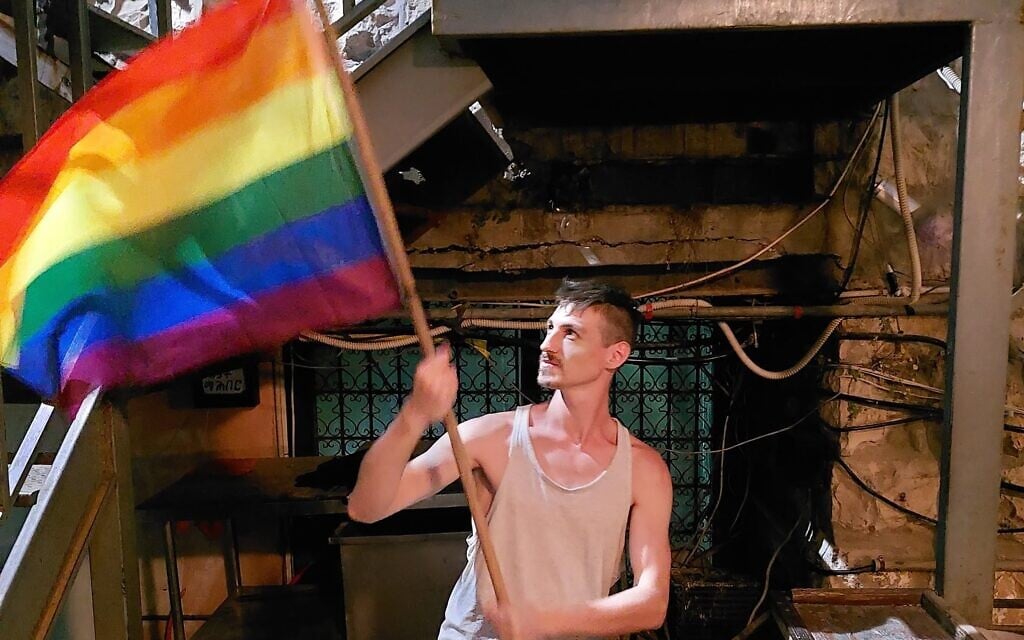
Video Pub, Jerusalem’s sole gay bar, holds its final drag show on Wednesday before shuttering its doors for good at the end of the month. But owner Avi Goldberger is offering a positive spin on the difficult decision to close.
“People are making a big deal out of it,” said Goldberger. “But you don’t need bars anymore that are just for gay people; most bars are open to everyone.”
Goldberger and his two partners own two other Jerusalem watering holes, HaTaklit Bar and The Cassette, which are “totally open to everyone, friendly to everyone,” said Goldberger.
He also noted other local bars and night spaces that are currently marking Gay Pride month with events for the LGBTQ+ community.
As part of a final series of events to mark its closure, Video Pub will host “Allah Nash,” the city’s lone troupe of drag queens for a final hurrah on Wednesday night.
Get The Times of Israel's Daily Edition
by email and never miss our top stories
By signing up, you agree to the terms
“I said we’d do it one last time there before Video closes,” said Yossele Ziv, the Jerusalem native who founded the group and its first home at Video Pub, also known as Video, located about a 10-minute walk from the Old City walls.
Ziv moved his act in 2018 to Nocturno, a restaurant and performance space in downtown Jerusalem that offers more space to expand his audience.
“I’m there every month with my solo act,” said Ziv, who works as a hairdresser by day. “Everyone says the city is becoming more ultra-Orthodox, but I see all kinds of people at my show, religious people and secular and really every kind of person. They come out to see me.”
Nocturno has become his new home, but Video helped Ziv and his fellow drag queens find their feet.
“I took my first steps there,” said Ziv.
Goldberger and his partners have owned a series of bars in Jerusalem over the last 30 years, with their first being Stardust.
“It’s our arena,” he said.
They opened Video some 14 years ago. For a time, it was the only gay bar in Israel, and surprisingly, it was located in Jerusalem, the Israeli city with the largest ultra-Orthodox population.
Goldberger said he was proud to own a gay bar in Jerusalem of all places, given Tel Aviv’s reputation for leading the country’s gay culture.
When it opened, Video also resonated with visiting LGBTQ+ tourists, who sought out their community while traveling around Jerusalem.
“It’s like when a religious person goes to a new location and looks for a synagogue in which to pray,” said Goldberger. “For gay tourists, Video was their synagogue.”
There was certain symbolism in opening Video back in 2012, when there was a need for the gay community to have a safe, secure meeting place.
Video was opened before the advent of dating applications like Hinge, Tinder and Grindr were developed, when members of the LGBTQ+ community were sometimes meeting in dark parks and public bathrooms, said Goldberger.
“That worked for some, but most people needed a place that was pleasant and safe and offered a sense of community and culture,” he said.
Now, after six years of little tourism in Israel following the pandemic and subsequent wars, and with improving attitudes toward the LGBTQ+ community, Goldberger said, “we don’t need a place like this any longer.”
I get that people are sad, a lot of people loved the place and visited there and were connected to it, but we open bars all the time, and HaTaklit and Cassette are totally open to everyone, friendly to everyone,” he said.
The Israeli bar scene is still pretty new, said Goldberger, 50, who grew up in Jerusalem, where he still lives. He remembers having few options in his teens and early twenties.
“People my age still go out, they go out after work and drink a Guinness and feel like they’re in Europe for a moment, watching the game and listening to David Bowie,” he said.
He and his partners plan to do something else with the Video Pub space, in its location on Yohanan Horkanos Street.
“We’ve been doing this for 30 years and will keep doing it. You have to be optimistic,” said Goldberger.
“Lots of people say Jerusalem is done,” he said, referring to perceived economic and cultural decline as the city becomes increasingly Orthodox. “I say it’s been around for 3,000 years and it will be here long after we’re gone.”
View original source — Times of Israel ↗
Related stories

The Punch
NewsJun 24, 2026 · 1 min
Mount Zion films don’t demonise Yoruba culture, says Joshua Bamiloye
The Punch

ESPN
SportsJun 24, 2026 · 1 min
Pulisic ready, 'hoping to play' for U.S. vs. Türki...
ESPN

ESPN
SportsJun 24, 2026 · 1 min
Fever's Boston, Clark top WNBA All-Star fan voting...
ESPN
The Punch
NewsJun 24, 2026 · 1 min
Police foil kidnap attempt on Benin–Abraka Road, rescue passengers
The Punch