AI traffic cameras spark backlash in Mississippi
New technology canned real-time offenses to enforcement agencies
Cameras are good enough to spot drivers holding smartphones
DPS commissioner says the tech won’t be used to write tickets
The Mississippi Department of Information Technology Service’s board has recently signed a contract with Australian AI-focused technology company Acusensus worth $2 million that will introduce special, multi-violation traffic cameras to the state.
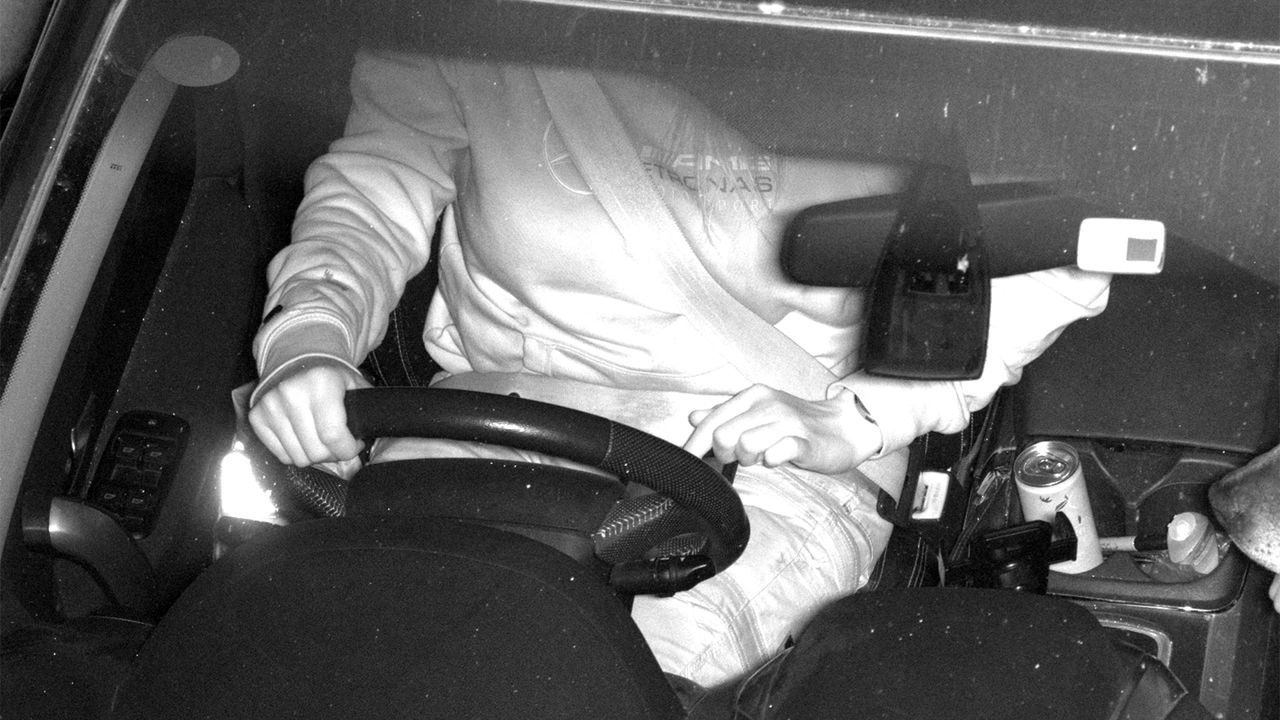
The technology, which is powerful enough to capture high-res and blur-free imagery of vehicles and drivers at speeds of up to 186mph, is able to send imagery and data to traffic officers in real-time, with the captured content available to use in a court of law.
Understandably, there has been a fierce backlash from residents, who became concerned that the Mississippi Highway Patrol was going to start using AI-powered cameras to allow troopers to write tickets for offenses caught on film, according to Mississippi’s Supertalk.fm.
In response, Sean Tindell, the state’s public safety commissioner, announced on a video posted to Facebook that his department entered the agreement to help it identify areas of the state that have “a higher probability of fatal crashes and accidents”, which would allow his team to “better allocate resources to those areas”.
While Tindell said that no tickets would be issued based on data received from the devices, some have been outspoken on the introduction of such “intrusive” AI-powered cameras in public.
“Cameras armed with AI, peering into your car and processing your actions, invading your privacy, and then signaling a live officer down the road to pull you over and issue citations and/or make arrests in real time. It’s a very slippery slope with frightening ramifications,” House Rep. Dan Eubanks said, according to Carscoops.
Analysis: Safer roads or an Orwellian future?
As Dan Eubanks pointed out, “every American citizen has a Constitutional right to face his or her accuser,” and one of the greatest concerns with AI-powered traffic cameras is that, alongside a suggested ‘invasion of privacy’, it potentially removes the officer from the equation.
Sign up for breaking news, reviews, opinion, top tech deals, and more.
In much of Europe, we have long lived with Automatic Number Plate Recognition (ANPR) cameras and speed trap devices that will automatically send penalty charges through the post, so this doesn’t feel too alien.
That said, cameras that look into a vehicles cabin and can detect the misuse of technology or abuse of seat belt laws takes things up a level.
It joins mounting concern from certain privacy advocates surrounding the use of technology to track citizen’s every moves, as we recently reported on the steps being taken by some motorists to avoid the growing number of Automatic License Plate Reader (ALPR) cameras.
While it's often stated that cameras have the potential to act as a deterrent to dangerous driving and catch offenders, there is mounting concern that it also feels a lot like mass surveillance.
Follow TechRadar on Google News and add us as a preferred source to get our expert news, reviews, and opinion in your feeds.
Leon has been navigating a world where automotive and tech collide for almost 20 years, reporting on everything from in-car entertainment to robotised manufacturing plants. Currently, EVs are the focus of his attentions, but give it a few years and it will be electric vertical take-off and landing craft. Outside of work hours, he can be found tinkering with distinctly analogue motorcycles, because electric motors are no replacement for an old Honda inline four.
View original source — TechRadar ↗
Related stories

Fruit Fly Sperm Are Giant. How Do They Stay Untangled?

The Best Fake Christmas Trees on the Market Are 50% Off for Prime Day (2026)

Jalapeño is the first AI chip from OpenAI and Broadcom
