CNA
Bosnia's Alajbegovic shows country's soccer future
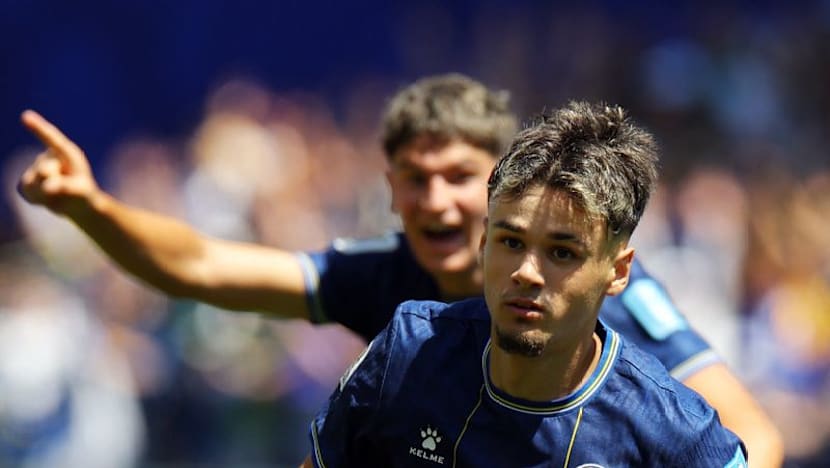
SEATTLE: Bosnia and Herzegovina's veteran striker Edin Dzeko helped put the country on the international football stage, but on Wednesday (Jun 24), it was the team's future, 18-year-old Kerim Alajbegovic, who gave them the lead in their critical 3-1 win over Qatar.
The victory likely puts Bosnia through to the World Cup knockout stage for the first time.
Dzeko was part of the core group that led Bosnia to their only other World Cup appearance in 2014. He was part of a generation of players who grew up in the war-torn aftermath of Yugoslavia.
He recounted his experience during the Siege of Sarajevo in a June 11 letter to the children of Bosnia and Herzegovina: bombs, snipers, walking for water because they had none in their building, and every once in a while, playing outdoors.
After the siege ended in 1996, he played football amid ruins as the city was rebuilt. Eventually, he became a key forward for some of Europe's top clubs.
He made his debut for Bosnia in June 2007 - three months before Alajbegovic was born in Germany.
Alajbegovic is part of the Bosnian diaspora shaping the national team in this World Cup.
In the 29th minute of the Qatar match, he evaded three defenders at the top of the box before putting the ball into the top right of the goal past Qatar's diving keeper.
Despite his youth, Alajbegovic has earned the confidence of Bosnia coach Sergej Barbarez, and has shown that he is at ease playing in high-pressure situations.
Alajbegovic and Dzeko were both crucial to getting Bosnia to the World Cup. The team's campaign might have ended after their match with Wales in March. They trailed 1-0 in the 86th minute, when Alajbegovic sent a cross into the box, which Dzeko drove into the net.
As he was celebrating, Dzeko said in his letter, "I remembered that I had been in four penalty shootouts in my career. I had lost them all.
"Thankfully, our youngsters know how to take penalties," he wrote.
It was Alajbegovic who netted the winning penalty.
He is not Dzeko's clone, though. They are very different players: Alajbegovic is a dangerous striker and playmaker, whereas Dzeko is a classic strong forward, lethal in the box and in the air.
Alajbegovic gives Bosnia something they have lacked since the decline of the 2014 generation: a young attacker to lead the country's team for the next decade.
Related stories

ESPN
SportsJun 25, 2026 · 1 min
Tartan party over? Brazil humbling forces Scotland...
ESPN

The Punch
SportsJun 25, 2026 · 1 min
Wike unhappy over Eagles World Cup miss
The Punch
The Punch
SportsJun 25, 2026 · 1 min
Enyeama’s World Cup record stands as Africa’s best
The Punch
The Punch
SportsJun 25, 2026 · 1 min
Private coach reveals Balogun’s World Cup secret
The Punch