Indian Express
‘100%’ on front label, disclaimers on the back: Why CCPA fined two major brands
From juices to breads, the “100%” label is a near-ubiquitous marketing tool meant to assure consumers of a product’s unadulterated quality.
However, in two separate orders passed this month, the Central Consumer Protection Authority (CCPA) imposed a penalty of Rs 1 lakh each on two major food and beverage companies — Mrs. Bectors Food Specialities Ltd and Storia Foods and Beverages Pvt Ltd — for running misleading advertisements and engaging in unfair trade practices by prominently using “100%” claims on their packaging and promotional materials. It also ordered them to immediately discontinue these advertisements.
Central to both cases is the Consumer Protection Act, 2019. The CCPA invoked Section 2(28) of the Act, which defines a “misleading advertisement” as one that falsely describes a product, gives a false guarantee or deliberately conceals important information. It also relied on Section 2(47), which defines an “unfair trade practice” as making false representations about the standard, quality or composition of goods.
The regulatory backdrop for these orders was set by the Food Safety and Standards Authority of India (FSSAI). In an advisory issued in May last year, the food regulator noted a growing trend of brands using the “100%” term. The FSSAI underlined that the term is not defined in its advertising regulations and that its use “is likely to convey a false sense of absolute purity or superiority, potentially leading consumers to believe that competing products in the market do not comply with prescribed standards.”
‘100% Atta Bread’
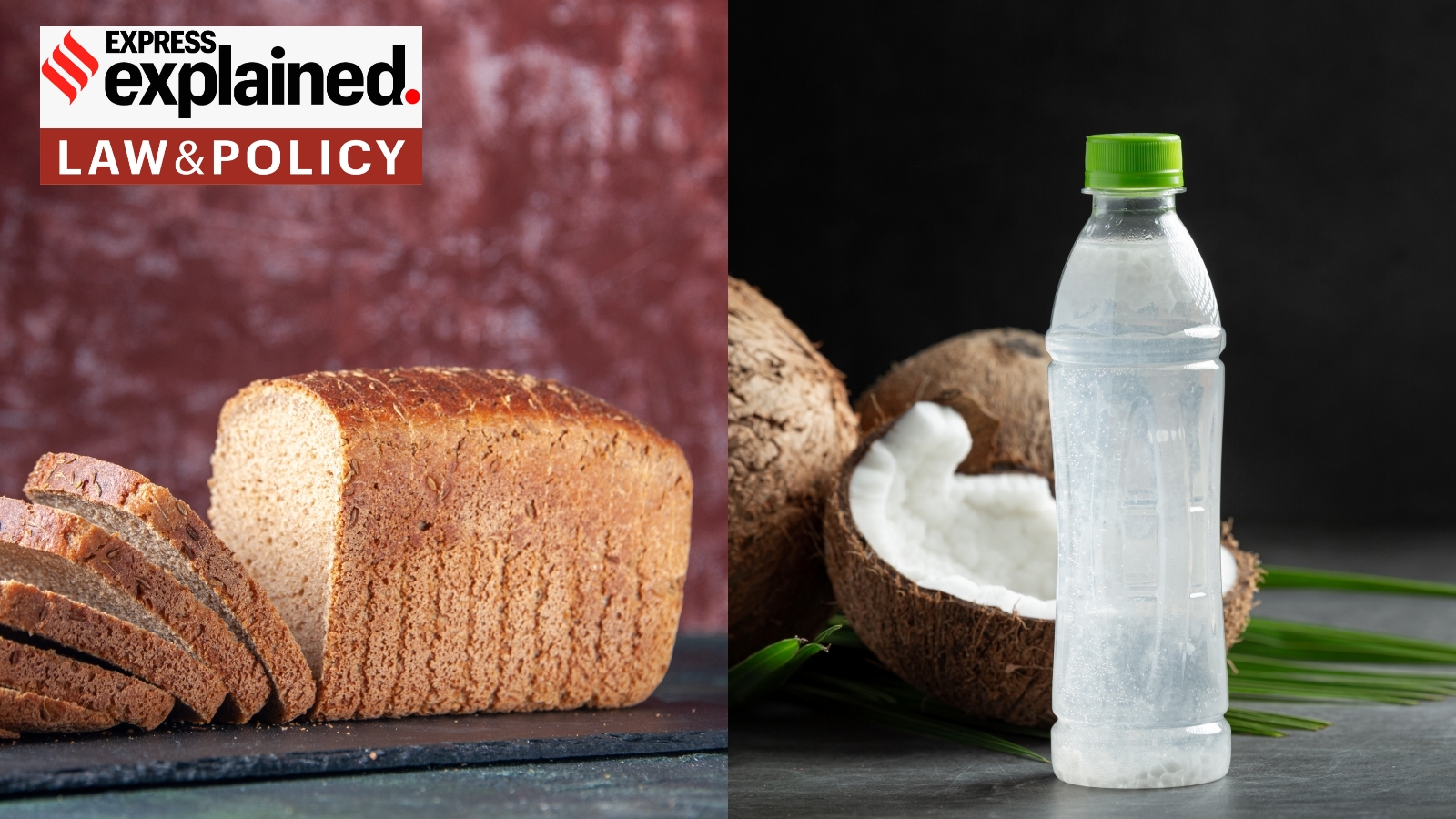
This false sense of purity was the focal point in the case against Mrs. Bectors Food Specialities Ltd, the makers of English Oven bread. The CCPA took suo-motu cognisance of advertisements for the company’s “100% Atta Bread” and “100% Whole Wheat Bread”.
During the proceedings, the company admitted that the actual wheat flour (atta) content in the bread was only 87%. However, it defended the “100%” label by arguing that it was meant to convey that wheat flour was the “sole grain source” used, without any refined flour (maida). The company also relied on FSSAI labelling regulations, which state that for a bread to be classified as “Whole Wheat Bread”, it must contain a minimum of 75% whole wheat flour. Since their product contained 87%, they argued the label was justified.
The CCPA rejected this, noting that while FSSAI regulations prescribe a minimum 75% threshold to classify a product as atta bread, this cannot be “elevated into a justification for making an unqualified and absolute claim such as ‘100% Atta Bread’.”
Story continues below this ad
It observed that an average consumer would reasonably construe the label to mean the product is entirely composed of atta. “The use of the qualifier ‘100%’ is absolute, unequivocal, and admits of no dilution or interpretative flexibility,” the CCPA said in its order, adding that a product falling short of this literal meaning renders the claim factually incorrect.
‘100% Tender Coconut Water’
Similar legal reasoning was applied in the case against Storia Foods and Beverages. In this, the CCPA investigated the company’s “100% Tender Coconut Water” and various “100% Juice” variants, including pomegranate and mixed fruit.
The CCPA found that Storia’s coconut water was not fresh from the fruit but was reconstituted from a 9.6% coconut water concentrate. Likewise, its “100% Juice” variants consisted predominantly of water, with fruit pulp or concentrate ranging between merely 4% and 16%. The company had also made unsubstantiated health claims on its website, alleging its coconut water “Combats Virus” and “Kills Fatigue”.
Storia contended that the FSSAI permits the reconstitution of juices from concentrates. The company argued that because its manufacturing process was legally compliant and because it had included a disclaimer on the back of the pack stating the product was “reconstituted”, the front-of-pack “100%” claim was valid.
Story continues below this ad
The CCPA, however, drew a distinction between a permitted manufacturing process and deceptive marketing, ruling that while FSSAI allows reconstitution, it does not grant a manufacturer the right to present a diluted, reconstituted product as undiluted natural produce.
Addressing the fine-print disclaimers on the back of the packaging, the CCPA said that they do not cure the misleading nature of the bold claims on the front. “A technical parenthetical buried in the ingredient panel in disproportionately small … attempts to qualify and correct a front-of-pack claim that is inherently misleading,” the order noted. It added that an ordinary consumer purchasing “100% Tender Coconut Water” expects it to be in its natural form, free from concentration and re-dilution.
Technical compliance is no ‘safe harbour’
In both cases, the companies attempted to use technical compliance with food safety standards as a defence against the application of the Consumer Protection Act. The CCPA’s order in the Storia case, however, held that compliance with manufacturing rules does not offer a “safe harbour” for deceptive advertising.
It noted in the Bectors order that the traditional doctrine of caveat emptor — the principle that says “let the buyer beware” — “has undergone a marked transformation” with the enactment of the 2019 Act. The burden has now shifted to caveat venditor — the principle of “let the seller beware”.
View original source — Indian Express ↗
Related stories
ABC News
TechnologyJun 25, 2026 · 1 min
ICAC told of request to alter university contract timelines
ABC News

TechRadar
TechnologyJun 25, 2026 · 1 min
How to pick commercial cleaning software
TechRadar

TechRadar
TechnologyJun 25, 2026 · 1 min
How to watch England vs New Zealand: TV Channels, Full Schedule & 3rd Test Preview
TechRadar

The Verge
TechnologyJun 25, 2026 · 1 min
Facebook’s Creator Studio has been revived as an AI companion app
The Verge