
Hacker Noon
My $30 Budget Cap Just Cost Me $592 — Here's the API Mirage Nobody Warns You About
"Anyone who stops learning is old, whether at twenty or eighty. Anyone who keeps learning stays young." — often attributed to Henry Ford As I am new to the world of artificial intelligence, I will try to relay to you my story as someone still learning the ropes. Every developer knows the golden rule of API integration: never push an app live without configuring a budget cap. It is the safety net that prevents a minor bug from morphing into a major financial disaster. But what happens when the safety net is too slow to catch the fall? The other day, that exact scenario played out, exposing a critical flaw in how developers trust platform spending limits. The Anatomy of a Runaway Spend The setup was standard: a mobile app wired to the OpenAI API for advanced functionality. To ensure financial safety, a strict $30.00 hard limit (are you surprised? Yes, I am that cheap!) was configured in the organisation settings. It should have been a foolproof backstop. Then, the dreaded infinite loop occurred. I had only ever heard this term before in movies like Groundhog Day and Edge of Tomorrow , and yes, the frustration is very similar. Whether triggered by a flawed error-handling script or overly aggressive retry logic, the app hit a wall and began instantly, relentlessly re-pinging the API. The Latency Loophole Here is the harsh reality of API billing that every developer needs to understand: hard limits are not instantaneous. OpenAI's infrastructure is built for staggering throughput, capable of processing millions of tokens in seconds. However, the billing mechanism that monitors and enforces your budget cap operates asynchronously, meaning there is a lag between the tokens being generated and the cost being tallied. | Time | What Happened | |----|----| | Minute 1 | The app enters an infinite loop, blasting the API with concurrent requests. | | Minute 2 | The $30 limit is breached, but the delayed billing system hasn't tripped the kill switch yet. | | Minute 15 | The automated "limit reached" email is finally dispatched to the developer. | The Aftermath The dashboard refreshed to reveal a staggering $592.59 charge. By the time the warning email landed in my inbox, over 16.5 million tokens had been consumed. The app blew past the $30 cap by nearly 2,000% before the system finally locked it down. The developer's reality: an alert email does not sever the connection. A hard limit does sever the connection — but only after the billing latency catches up. In the AI world, a 15-minute lag can cost you hundreds of dollars. The Irony of the Competition Adding to the chaos of the day was the broader AI landscape. Over at Anthropic, a U.S. government export control directive forced the company to suspend public access to its newest models, Claude Fable 5 and Mythos 5, pushing developers to hastily route traffic back to the older Opus 4.8. Ironically, Anthropic's billing system proved far more rigid. A minor past-due balance of just $28.85 triggered an immediate, absolute account freeze. No API calls, no infinite loops, no runaway spending. Just a hard stop. It was a stark contrast to the frictionless, high-speed cash burn happening on the OpenAI side. How to Survive an API Meltdown As I am learning, I want to share what I now know: if you ever find yourself watching an API usage graph climb vertically, do not waste time debugging your code or waiting in a queue for customer support. Destroy the key. Immediately navigate to your API settings and delete the active API key. Do not pause it — revoke it entirely. It is the only guaranteed, manual kill switch to stop the bleeding. Implement local circuit breakers. Never rely entirely on platform-side budget limits. Build circuit breakers directly into your app's code that forcefully sever outbound API connections after a set number of rapid, consecutive errors. Document everything. Take screenshots of your usage spikes, your limit settings, and the timestamps of your delayed warning emails. You will need visual proof of the system lag when appealing to support for a refund. AI models are becoming incredibly fast, but the billing infrastructure governing them is still playing catch-up. Trust your code, but always verify your kill switches. \ \
View original source — Hacker Noon ↗
Related stories

TechRadar
TechnologyJun 25, 2026 · 1 min
Don't be tempted by the lowest-ever Nintendo Switch Prime Day discount, I'm a gaming editor and the Switch 2 is still…
TechRadar

TechRadar
TechnologyJun 25, 2026 · 1 min
Currys is a goldmine for back-to-school and business laptop deals from Asus, HP, and Lenovo
TechRadar

Lovin Malta
TechnologyJun 25, 2026 · 1 min
European Commission Releases First €3.2 Billion Under €90 Billion Ukraine Loan
Lovin Malta
Engadget
TechnologyJun 25, 2026 · 1 min
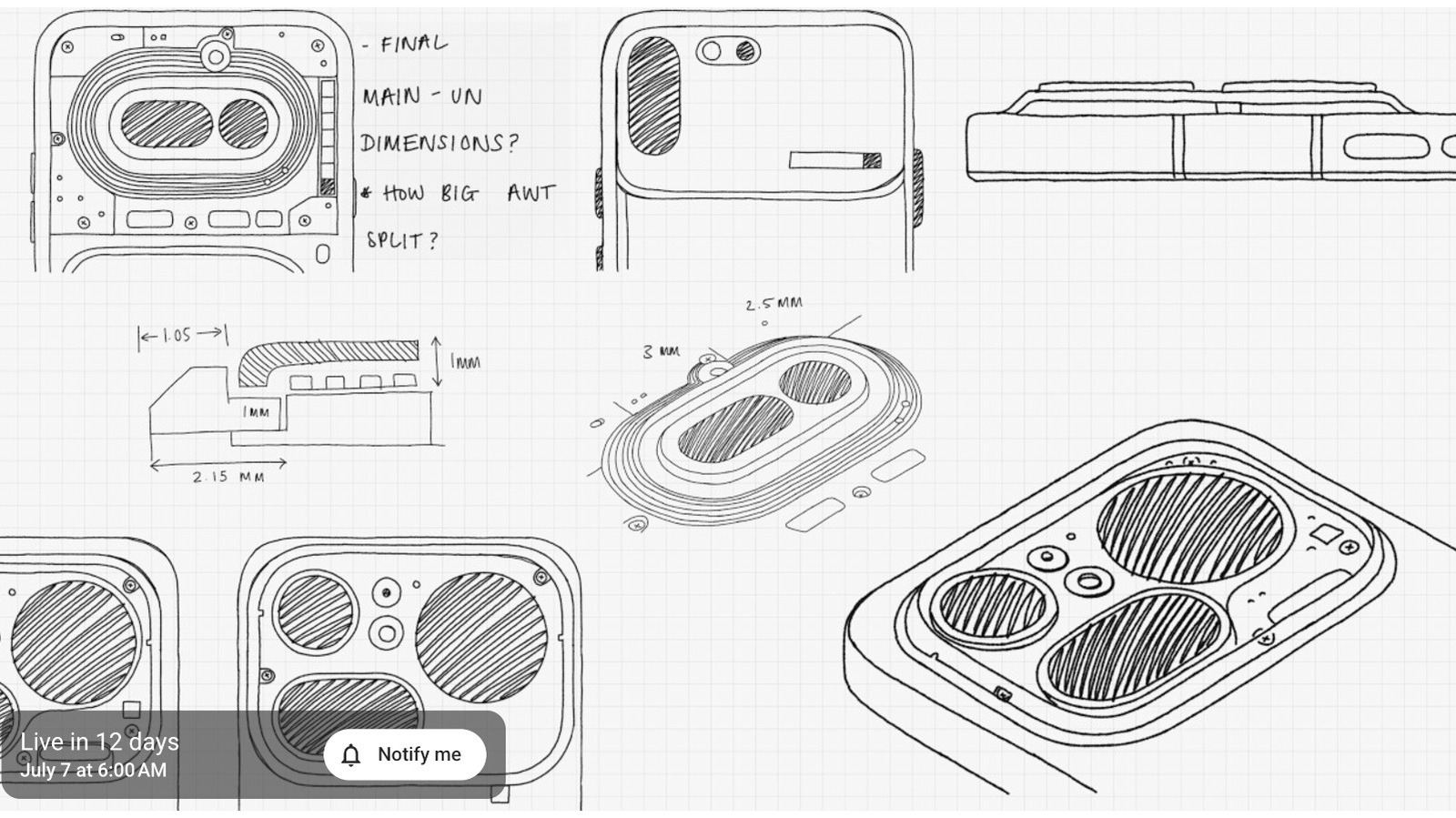
Nothing teases the Phone 4b, launching on July 7
Engadget