South China Morning Post
South China Morning Post··1 min read
Wang Fuk Court fire result of ‘systemic failure’ in policy, experts tell hearing
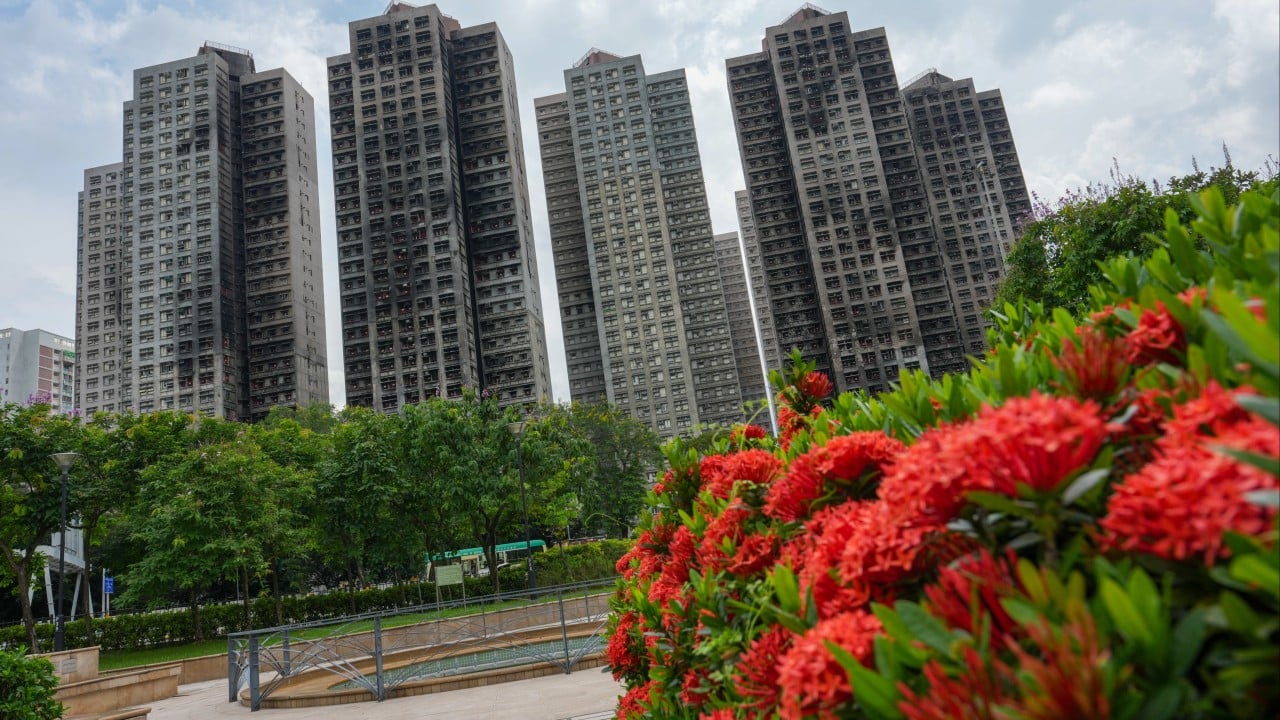
Hong Kong’s deadliest inferno in decades was a result of a “systemic failure” in public policy, two fire engineering experts have said, citing the lack of strategies to fight flames on the facades of high-rise buildings and the prolonged use of combustible materials in “temporary” works.
An independent committee inquiry heard on Thursday that last year’s Wang Fuk Court fire was unprecedented in magnitude, with flames moving upwards along the buildings’ facades at more than 10 metres (32.8 feet) per second, which was “unprecedented in the history of major building fires”.
Polytechnic University building sciences professors Asif Usmani and Jiang Liming, both engaged by the committee to provide expert opinions, pointed out that local building regulations were largely designed to prevent interior fires, as external blazes such as the one at Wang Fuk Court were considered unlikely.
They said there were no effective firefighting strategies globally for fires that broke out on the outer walls of high-rise buildings.
The experts also argued that wrapping multiple adjacent buildings in combustible materials simultaneously for prolonged periods severely increased the risk of a fire and cast doubt on the categorisation of large-scale renovations as temporary works.
“This is primarily a systemic failure and must be reviewed at the level of public policy, and appropriate changes must be made in how temporary works are regulated,” Usmani said.
View original source — South China Morning Post ↗
Related stories

CNA
NewsJun 25, 2026 · 1 min
The new frontier in the US-China AI race: Talent
CNA

The Punch
NewsJun 25, 2026 · 1 min
Fubara submits medium expenditure framework to Rivers Assembly
The Punch

ESPN
SportsJun 25, 2026 · 1 min
The story of Christian Pulisic, U.S. stars, a trip...
ESPN

ESPN
SportsJun 25, 2026 · 1 min
What Türkiye match will reveal about USMNT's knock...
ESPN