The Guardian
Would-be physician assistants deterred by strict caps on US student loans
Strict new caps on federal student loans are causing would-be physician assistants to reconsider training, groups representing physician assistants said.
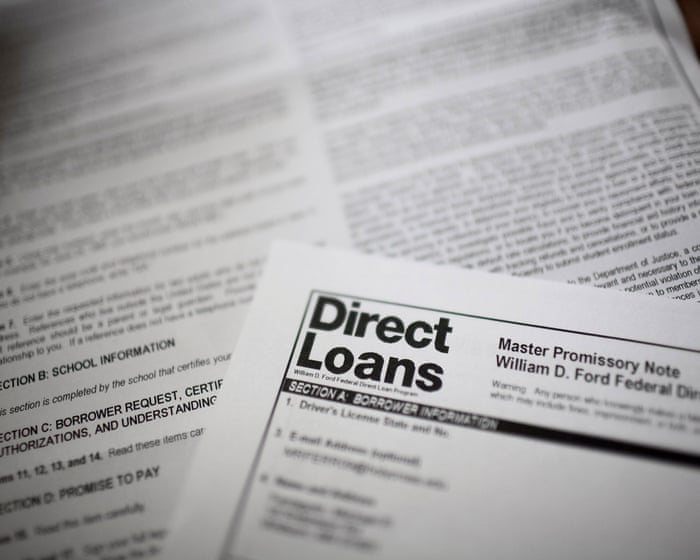
An overhaul of the federal student loan system scheduled to go into effect 1 July strictly caps the annual amount of federal loans physician assistants can borrow to $20,500 per year – less than half the median annual cost of a PA program.
Strict caps imposed by the Department of Education (DOE) come even as Health and Human Services (HHS) has bet on physician assistants to help with the rural healthcare shortages.
“My credit score was a 400,” said Todd Pickard, president of the American Academy of Physician Associates (AAPA), a group representing more than 200,000 physician assistants nationally. He graduated in 1997. “There was nobody privately that was going to give me a dime. And my parents are not rich people, so they weren’t going to say, ‘Here’s $100,000 – take it.’”
Beginning 1 July, the Republican-led One Big Beautiful Bill Act (Obbba) will end the Grad Plus federal loan program, cap federal graduate loans at $20,000 per year, and cap loans for professional education at $50,000 per year.
At issue is the definition of “professional”: the DoE deemed most programs “graduate,” including healthcare providers such as physician assistants. The groups argue they meet criteria set by the OBBBA to be considered professional and thus should be subject to the higher loan cap.
Today, the median cost of physician assistant training is $103,000 for up to 27 months of training, according to Sara Fletcher, executive director of the PA Education Association, which represents institutions that train physician assistants.
In just one such example, the State University of New York (Suny) Downstate charges more than $58,000 for training for in-state students, and $113,000 for out-of-state. Physician assistants typically also rely on student loans for living expenses, since training typically requires 60-80 hours work per week.
A coalition of 24 Democratic attorneys general, one non-partisan attorney general and two governors sued the administration in May over the changes, seeking a permanent injunction. In June, nursing associations, the AAPA and PAEA followed suit – seeking an immediate injunction.
“We got swept up in this big net without any real analysis and decision-making,” said Pickard, speaking to the Guardian a day after a federal judge in Washington heard arguments in their case. “I think they decided they wanted to get out of the loan business.” The groups expect a decision on the emergency injunction imminently.
Physician assistants can prescribe medication, conduct physical exams, interpret diagnostic tests and perform some procedures. About a quarter work in rural settings, according to one study, where they tend to fill shortages in family medicine.
This is, in fact, a reality recognized by the same law that overhauled federal student loans – Obbba. When Republicans passed the bill in July last year, they cut nearly $1n from Medicaid, the public health insurance program for the poor, to pay for tax cuts.
To offset cuts to Medicaid, which were set to heavily affect rural hospitals, Republicans also established the $50bn Rural Health Transformation Program. The program relies, in part, on allowing physician assistants, nurse practitioners, pharmacists and dental hygienists to expand their scope of duties to bolster the rural healthcare workforce (notably, physicians associations had “significant concerns” about this change).
Ten Republican-led states, from Alabama to South Dakota, now employ more physician assistants than doctors, according to Becker’s Hospital Review. Even Donald Trump’s government “doctor” is a physician assistant: Col James Jones, the first PA to fill the role.
“On the one hand, you have the Trump administration saying we need more PAs and we need them to be doing good work and the work that they can,” said Pickard. “But then on the other hand, the DOE says, ‘Well, we don’t want to invest in the full cost of PAs.’ Those two things don’t jibe.”
Changes instituted by the Department of Education implicate a long-time chicken and egg debate in higher education: do federal loans make tuition more expensive, or does the government forge a path for poor students by offering subsidized loans?
Department of Education secretary Linda McMahon has argued before Congress that capping student loans will bring down tuition costs, but critics see little evidence prices will come down enough to match the strict new caps.
“Tuition costs are set by institutions,” said Fletcher. “It’s a bigger system issue than just a PA program.”
For students, a strict cap on federal student loans means they will have to seek aid elsewhere, namely in private lenders and banks. This is effectively a return to a system Congress ended in 2006 over affordability concerns, according to Inside Higher Ed.
Federal graduate and professional loans have an average interest rate of around 8%; private loans can range from about 3% up to 17.95%, according to the Education Data Initiative. In contrast to federal loans, private lenders require extensive underwriting, making it much more difficult and expensive for borrowers with low credit ratings – people like Pickard.
Asked whether Pickard had a chance to sit down with anyone from the administration, he said no, but not for lack of trying. He’s pitching Fox News and Newsmax for a segment on the changes: “I’d love to sit down and talk to Donald Trump.”
View original source — The Guardian ↗
Related stories

South China Morning Post
TechnologyJun 25, 2026 · 1 min
China’s cybersecurity industry needs its own Mythos model, 360 founder warns
South China Morning Post
TechRadar
TechnologyJun 25, 2026 · 1 min
'Bringing Claude Tag into Slack is about making AI multiplayer': You can now tag Claude directly in Slack
TechRadar

The Verge
TechnologyJun 25, 2026 · 1 min
Leica’s $6,690 SL3-P pairs 44-megapixel stills with 8K video
The Verge
TechRadar
TechnologyJun 25, 2026 · 1 min
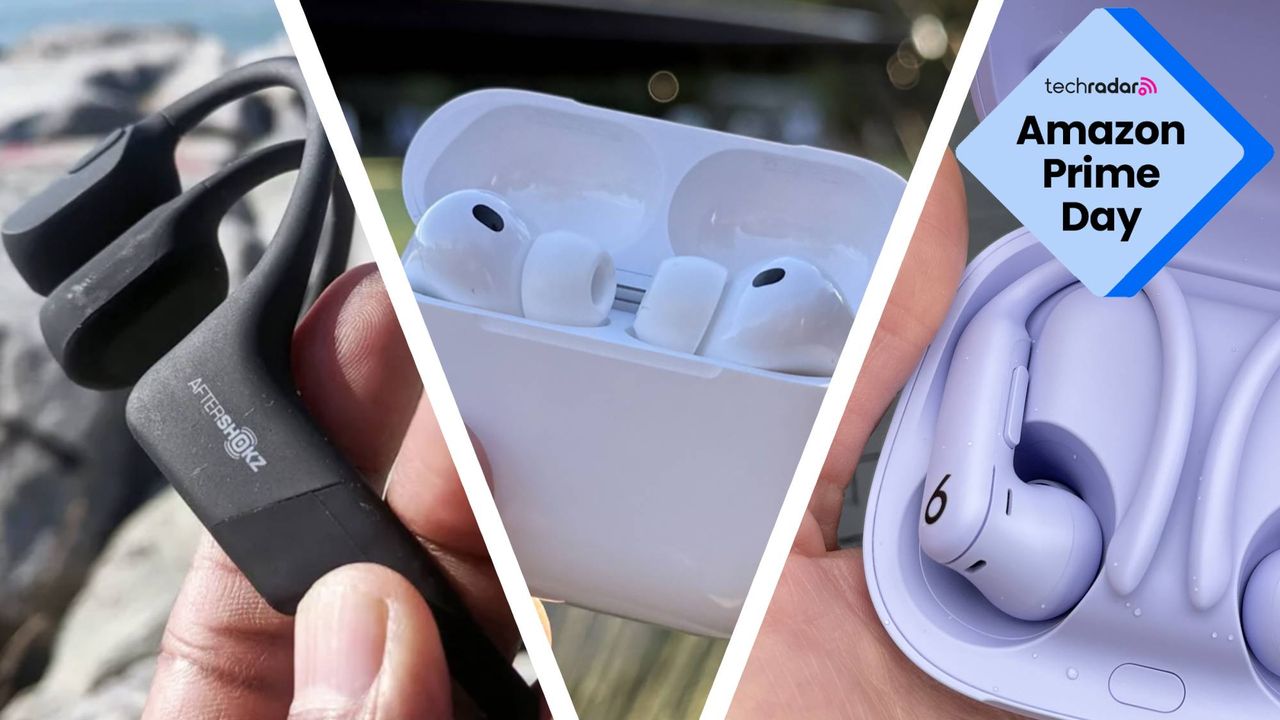
Prime Day is great for giving you the fitness kick you need
TechRadar