Times of Israel
Israeli, Lebanese officials deny US claim that IDF withdrew from parts of Lebanon
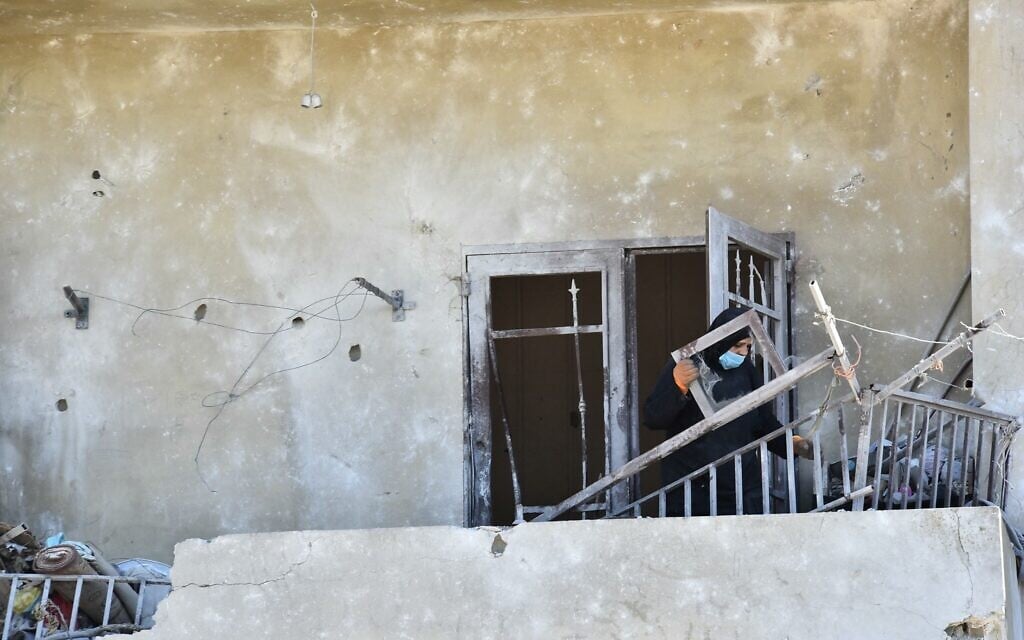
Senior Israeli and Lebanese officials denied on Thursday that there had been any withdrawal of Israeli troops from areas of IDF-held southern Lebanon, after a US official reportedly claimed that the IDF pulled some of its troops back in a good-faith gesture toward Lebanon’s government amid ongoing talks between the two countries.
Israeli and Lebanese officials have been meeting this week in Washington to discuss, among other things, a proposal for the IDF to withdraw from “pilot zones” and transfer control of them to the Lebanese military in order to prevent Hezbollah from returning to the areas.
However, sources told The Times of Israel that the current round of talks in Washington has been the least productive to date, with both Israeli and Lebanese officials voicing frustration over the US decision to make a ceasefire in Lebanon part of the memorandum of understanding it inked last week with Iran. Despite the displeasure, US Secretary of State Marco Rubio said Thursday that Israel and Lebanon are close to making a “commitment of intent,” without elaborating.
Meanwhile, Reuters cited an unnamed State Department official who claimed that “Israel has already taken a concrete step by pulling back from a part of its buffer zone. This is a significant demonstration of good faith toward Lebanon’s legitimate government.”
The official said the pilot zone process is aimed at ensuring the complete and verifiable destruction of Hezbollah’s weapons and infrastructure and the dismantlement of non-state armed groups.
Get The Times of Israel's Daily Edition
by email and never miss our top stories
By signing up, you agree to the terms
“The (Lebanese Armed Forces) should now move in and verifiably clear out terrorist weapons and infrastructure. This model will be repeated across south Lebanon, enabling the safe return of displaced families, reconstruction of the south, and the restoration of full Lebanese sovereignty,” the official added.
The State Department did not respond to repeated requests to clarify whether the quotes reported in Reuters represented official administration policy.
Israeli security and military officials swiftly denied the US official’s claim, and said that the IDF has yet to be instructed by political leaders to withdraw, according to the officials.
The IDF’s potential withdrawal from areas of southern Lebanon has been discussed during the direct negotiations between Israel and Lebanon, but no agreement has been reached yet, the officials said.
Asked about the State Department official’s comments, a senior Lebanese military official said developments on the ground in recent days “show the opposite of a pullback.”
The Lebanese official said Israeli forces had been enforcing their buffer zone against anyone approaching it, including Lebanese army troops.
Israel also carried out a strike in south Lebanon Thursday, reportedly killing two people in a vehicle traveling between the towns of Zawtar al-Sharqiya and Mayfadoun, near — but not inside — Israel’s buffer zone.
The IDF did not issue any comment on the strike.
While Beirut is pushing for a phased withdrawal of IDF troops negotiated directly between the countries, Iran insists that the terms of the MOU require the immediate withdrawal of all Israeli forces, with an Islamic Revolutionary Guard Corps leader saying Thursday that Israel must withdraw now or be “forced to flee in defeat.”
IDF postpones Hezbollah demolitions
Meanwhile, The Times of Israel learned Thursday that the IDF has postponed the demolition of several Hezbollah terror infrastructures in southern Lebanon during the current ceasefire with the terror group, including a major tunnel holding a drone facility in the southern Lebanon village of Majdal Zoun that reporters visited last week.
Similarly, other Hezbollah infrastructures near Beaufort Castle, which were captured by the IDF in early June, have not yet been demolished.
Also, amid the ceasefire, the IDF halted efforts to capture a “strategic” underground Hezbollah facility beneath the Ali Taher ridge near Nabatieh.
According to the military, the Ali Taher tunnels are the “nerve center” of Hezbollah’s Badr regional division. The IDF said last week that at least 30 Hezbollah operatives remained holed up underground in the area, and fighting had taken place above and below ground.
On Saturday when the IDF was instructed by Israeli leaders to halt its fire in Lebanon, the military froze its activity in the Ali Taher area and has not attempted to enter the fortified tunnels.
In the past two days, still,the IDF has carried out strikes on several Hezbollah operatives identified above ground in the Ali Taher area, saying they posed a threat to troops.
The instruction to halt fire in Lebanon came under heavy US pressure, as Washington holds talks with Iran on a final deal to end the war, after reaching an initial memorandum of understanding that required the US “and its allies” to halt all military activity on all fronts, explicitly including Lebanon. That deal was reached against Israel’s wishes, and Jerusalem has vowed to remain in the security zone it has captured in southern Lebanon.
View original source — Times of Israel ↗
Related stories

ESPN
SportsJun 25, 2026 · 1 min
White plans to re-sign with Hornets, sources say
ESPN

ESPN
SportsJun 25, 2026 · 1 min
QB Williams' attempt to trademark 'Iceman' denied
ESPN

ESPN
SportsJun 25, 2026 · 1 min
UFC's McGregor admits getting 'lost' in his fame
ESPN
CNA
SportsJun 25, 2026 · 1 min
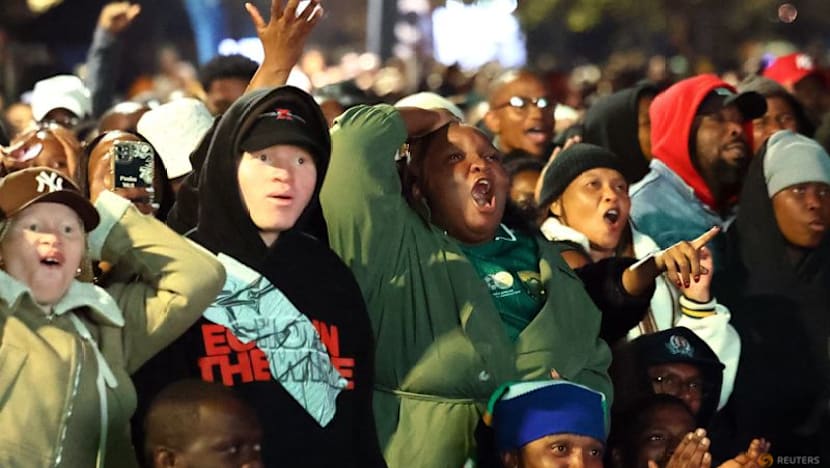
South Africans pour onto streets in pyjamas to celebrate World Cup feat
CNA