Indian Express
Mayor issues QR-coded IDs to 100 hawkers; 99,000 more to follow
3 min readMumbaiJun 26, 2026 12:39 AM IST
As part of efforts to tackle the hawker issue in Mumbai, the civic administration has proposed implementing a hawkers’ policy aimed at legalising vendors and making it easier to identify and act against illegal hawkers.
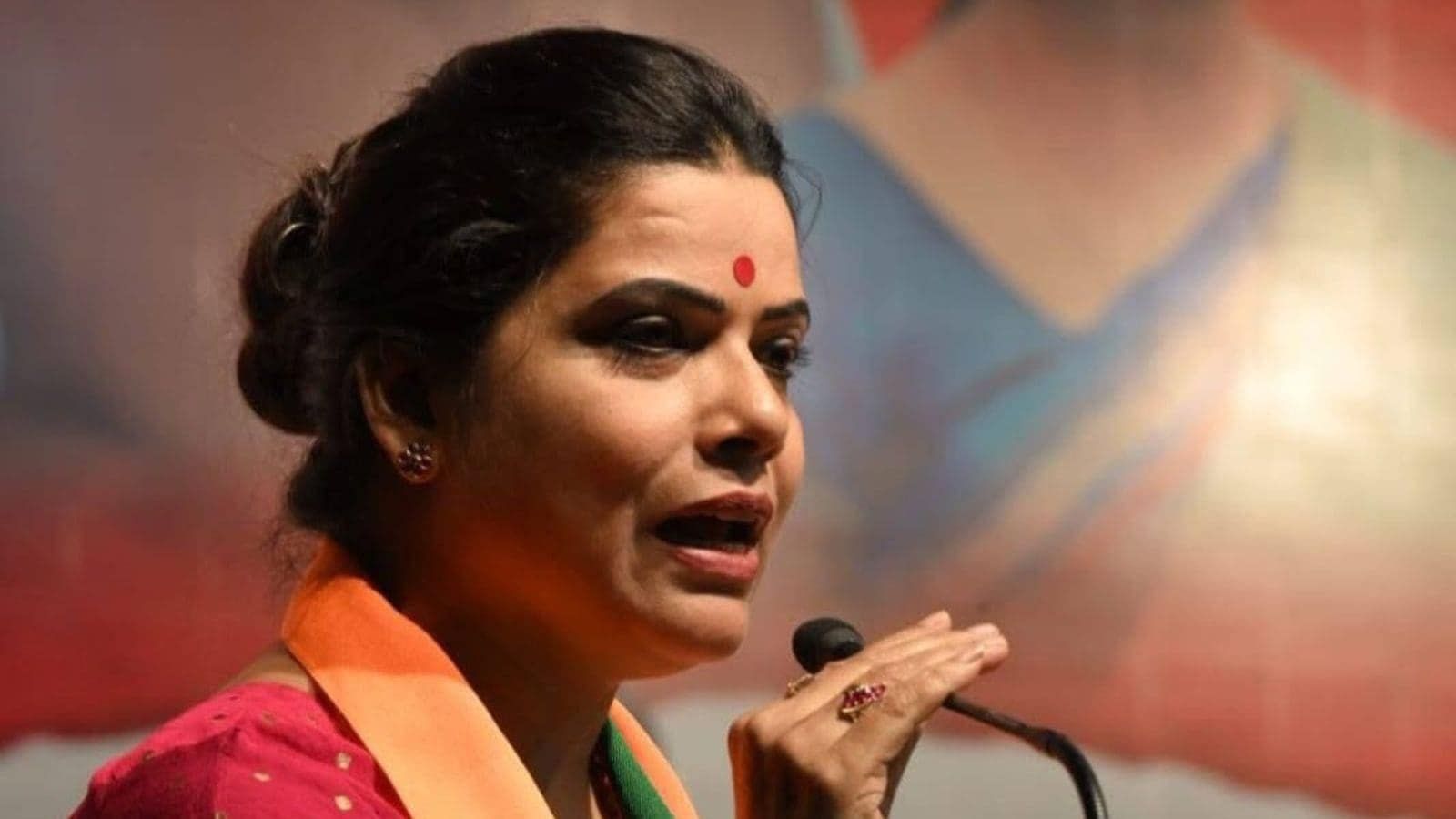
Mayor Ritu Tawde on Thursday issued identity cards enabled with Quick Response (QR) codes to 100 registered vendors in Mumbai. The move comes nearly three weeks after the civic administration announced that QR codes would be issued to vendors to verify the legality of their businesses.
Speaking at the event, Tawde said, “The issuance of QR codes to hawkers is a stepping stone towards resolving Mumbai’s long-pending encroachment and illegal hawker problem. This issue has remained unresolved for more than a decade, and I am happy that it is finally being addressed under the Mahayuti regime.”
To distinguish authorised vendors from illegal ones, the BMC has started issuing QR code-equipped identity cards to hawkers. In all, 99,345 hawkers will receive these cards. Many of them had registered during a BMC survey conducted in 2014 as part of the process to constitute the Town Vending Committee (TVC).
Civic officials said all 99,000-odd hawkers have been called to ward offices to verify their registration details, following which the ID cards will be issued. The verification process began on June 5 and was scheduled to be completed by June 15. However, a senior official told The Indian Express that the deadline has been extended to June 26.
“We had submitted before the Bombay High Court that we would need an extension. During the verification process, we found that many hawkers were not in town. Therefore, we have to wait for them to return,” the official said.
Officials said the highest number of verifications has been carried out in Dadar, a major hawking hub, followed by Colaba and Churchgate in south Mumbai and Goregaon in the western suburbs. Hawkers are required to visit ward offices and verify their names, survey numbers, locations and jurisdictions.
Officials said the QR cards will enable the BMC and Mumbai Police to instantly verify whether a hawker is authorised. They added that the cards will also facilitate action against illegal hawkers.
Story continues below this ad
Once the ID cards are issued, hawkers are likely to be allotted designated vending pitches. The Town Vending Committee will be responsible for selecting and allocating these pitches, as well as creating dedicated vending zones by freeing up encroached public spaces.
As part of efforts to tackle the hawker issue in Mumbai, the civic administration has proposed implementing a hawkers’ policy aimed at legalising vendors and making it easier to identify and act against illegal hawkers.
“The draft policy was formulated in 2020, but its implementation was delayed due to the pandemic. The elected body was dissolved in 2022 and the corporation remained without elected representatives for nearly four years. It was only after corporators returned in January this year that we could move ahead with the process,” a civic official said.
View original source — Indian Express ↗
Related stories

ZDNet
TechnologyJun 25, 2026 · 1 min
All MacBooks and iPads hit with surprise price hikes - even the Neo wasn't safe
ZDNet

TechRadar
TechnologyJun 25, 2026 · 1 min
How to watch Tunisia vs Netherlands
TechRadar

TechRadar
TechnologyJun 25, 2026 · 1 min
The HomePod mini was my favorite cheap wireless speaker
TechRadar

TechRadar
TechnologyJun 25, 2026 · 1 min
The best upgrade you can give your home is new, better Wi-Fi – and Amazon has knocked $100 off its eero mesh system
TechRadar