
Rio Times
Turkish Drones Are Quietly Redrawing Africa’s Security Map
AFRICA · DEFENCE & SECURITY
Key Facts
—Wide reach: Turkey’s Bayraktar TB2 is now flown by about 11 African states, with roughly 143 units recorded, according to defence trackers cited by Small Wars Journal.
—Long client list: Baykar counts Angola, Burkina Faso, Djibouti, Ethiopia, Kenya, Mali, Morocco, Niger, Nigeria, Somalia, Togo and Tunisia among its African buyers.
—Rapid build-up: More than half of all recorded African drone purchases fall in the five years to 2026, the fastest militarisation of its kind on the continent.
—Boots follow: Turkey and Niger signed a protocol in Ankara on 7 April 2026 to embed Turkish advisers with Niger’s drone fleets.
—Drones for dirt: Analysts describe deals that swap arms and training for mining and energy concessions.
—A contested edge: Rights groups have raised alarm over drone strikes on civilians, including in Sudan, where Turkish-made systems have been reported in use.
Turkish drones in Africa have moved from novelty to fixture, giving Ankara a fast, low-cost route to influence that now rivals the reach of Russia, China and the West across a dozen national militaries.
How Turkish drones in Africa took hold
Turkish drones in Africa were once a curiosity, displayed at defence fairs and bought in ones and twos. They are now a fixture of the continent’s armed forces.
The Bayraktar TB2, built by the Turkish firm Baykar, is the platform at the centre of the story. Defence trackers cited by Small Wars Journal count roughly 143 of them recorded across about 11 African states.
The appeal is simple. The aircraft is far cheaper than American or Chinese equivalents, can be delivered quickly, and comes with little of the political conditionality that Western suppliers attach.
Baykar has leaned into the demand, building sales and after-sales support across the continent. Its founding family has become a familiar presence at African defence summits.
Where the drones are flying
Baykar’s African client list now stretches from the Atlantic to the Horn. It includes Angola, Burkina Faso, Djibouti, Ethiopia, Kenya, Mali, Morocco, Niger, Nigeria, Somalia, Togo and Tunisia.
More than half of all recorded African drone purchases fall in the five years to 2026, the fastest build-up of its kind on the continent. The Sahel, where armies face entrenched insurgencies, has been the busiest market.
Libya was an early proving ground, where TB2s helped shape the civil war’s later battles. The lesson that cheap drones could swing a conflict spread quickly through the region’s capitals.
Turkey is now deepening the relationships behind the hardware. Ankara and Niger signed a protocol on 7 April 2026 to place Turkish advisers alongside Niger’s TB2 and Karayel fleets, according to the two defence ministries.
A cheaper bargain than the West offers
Cost sits at the heart of the appeal. A Western armed drone and its support package can run to many times the price of a TB2, and often comes with end-use restrictions.
Turkey asks fewer questions and delivers in months rather than years. For a defence ministry fighting insurgents today, that is an easy trade to make.
Drones for dirt: arms traded for access
What makes the Turkish push distinctive is how it is paid for. Several analysts describe a pattern they call drones for dirt, in which arms and training are swapped for mining and energy concessions.
For cash-strapped governments, the arrangement spreads the cost and ties Ankara to their long-term security. For Turkey, it converts factory output into political reach and a stake in the continent’s resources.
Turkey is not alone in linking weapons to wealth, but it has been unusually direct about it. Its firms have pursued energy, construction and mining interests in several of the countries they arm.
A great-power contest with a new player
The drone trade places Turkey inside a wider scramble for influence that has drawn in Russia, China, the Gulf states and the West. Each offers a different bargain of weapons, money and access.
Turkey’s edge is speed and a light political touch, which appeals to governments wary of Western lectures. It now competes directly with Russia’s security-for-resources model in the same theatres.
The result is something close to a buyer’s market for African governments. They can shop between Ankara, Moscow, Beijing and Washington, extracting better terms from each.
The human cost and the questions it raises
The spread of armed drones has a darker side. Rights groups have raised concerns about strikes that kill civilians, including in Sudan, where Turkish-made systems have been reported in use.
Accountability is thin, because drone operations are rarely disclosed and casualty figures are disputed. That gap is becoming one of the most contested issues in the continent’s new arms race.
What to watch next
The next phase is likely to move from sales to roots on the ground, with training missions, maintenance hubs and talk of local assembly. That would make Turkey much harder to displace.
For an outside reader, the lesson is that influence in Africa is no longer a two-horse race. A mid-sized power with a good product can now reshape the map, one runway at a time.
Frequently asked questions
How many African countries use Turkish drones?
Turkey’s Bayraktar TB2 is now flown by about 11 African states, with roughly 143 units recorded across the continent, according to defence trackers cited by Small Wars Journal.
Why do African governments buy Turkish drones?
They are cheaper and faster to obtain than Western or Chinese systems, and Turkey attaches few political conditions to the sale.
What does the phrase drones for dirt mean?
Analysts use it to describe deals in which Turkish arms and training are exchanged for access to mining, energy or other resource concessions.
Which countries are the biggest Turkish drone buyers in Africa?
Baykar’s African client list includes Angola, Burkina Faso, Djibouti, Ethiopia, Kenya, Mali, Morocco, Niger, Nigeria, Somalia, Togo and Tunisia.
The Rio Times · Power Map
See who really holds power in Latin America
Click to open the Power Map →
View original source — Rio Times ↗
Related stories

ZDNet
TechnologyJun 26, 2026 · 1 min
5 weird Prime Day gadgets we've tested that you can buy right now
ZDNet
The Guardian
TechnologyJun 26, 2026 · 1 min
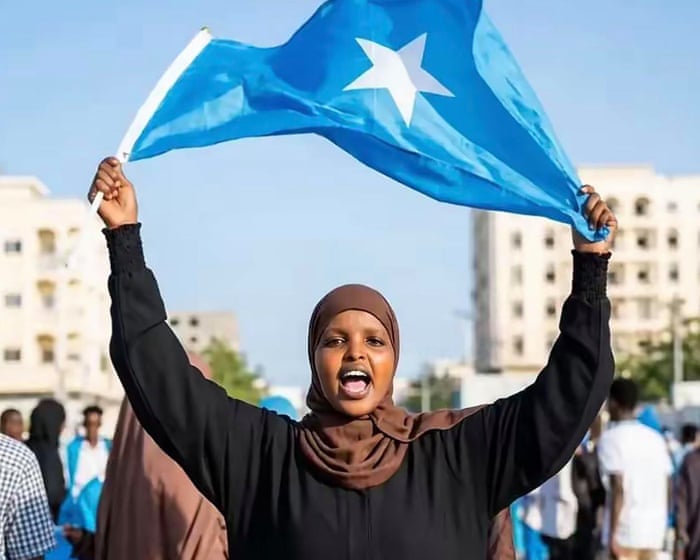
Outrage as woman jailed for three years after criticising Somali government online
The Guardian
TechRadar
TechnologyJun 26, 2026 · 1 min
One small step for headphones, one giant leap for audiophiles
TechRadar

AllAfrica
TechnologyJun 26, 2026 · 1 min
Liberia: U.S.$19 Million Drug Probe Takes Dramatic Turn
AllAfrica