
TechRadar
Microsoft extends Windows 10 support out of the blue — consumers now get updates for another year to October 2027
Windows 10 is getting extended support through to October 2027
That's an extra year on the original deadline, although Microsoft didn't formally announce the extension
It gives those who were worrying about what to do next with their Windows 10 PC (especially if it wasn't compatible with Windows 11) some welcome room to breathe
Microsoft has given consumers another year of extended support for Windows 10 without any formal announcement of this move.
Windows Latest spotted that Microsoft changed its info on Windows 10's Extended Security Updates (ESU) scheme to indicate that support now runs through to next October.
The section about the deadline now reads: "Windows 10 support has ended. You can enroll in ESU any time until the program ends on October 12, 2027. If you're already enrolled, your coverage will automatically continue through that date — no action needed."
So, as noted, this means that if you're signed up for the ESU, you will continue to get updates not for another four months — as the original deadline for support ending was October 2026 — but for 16 months. It's still possible to sign up for the ESU program if you haven't yet done so, too.
Microsoft confirmed to Windows Latest that this isn't a mistake in the text, and the ESU does indeed now run for another year.
Analysis: a commendable move from Microsoft – but a jaded reaction
I still run Windows 10 on my main PC (Windows 11 is on my secondary PC), and I was about to fire up the upgrade most likely next month, or perhaps August — but soon, anyway. This gives me, and no doubt plenty of others, some extra breathing room. A lot of it, actually, which is very welcome.
I may still upgrade to Windows 11 this year, but given my procrastinatory ways, I might well wait until next year now. Especially seeing as Microsoft is busy fixing Windows 11 in all sorts of ways currently, so it kind of makes sense to wait until all that work is done anyway.
Sign up for breaking news, reviews, opinion, top tech deals, and more.
Clearly enough, this is a positive move for consumers, and I'm pleased to see it. I've argued before that a year of extended support wasn't enough — considering the hardware requirements rule out many PCs from upgrading to Windows 11 — and that Microsoft should give consumers a second year. (Especially given all the e-waste issues raised around Windows 10's end of the line in the past).
With that second year now confirmed, I'm rather surprised that Microsoft doesn't appear to have announced this anywhere, and just made the change to its website info quietly in the background.
Perhaps the idea is to keep it on the down-low, so as not to put off any imminent upgraders? At any rate, much of the reaction to this decision is pretty muted. One of the most upvoted comments on this Reddit thread is: "So are they finally admitting that Windows 11 isn't good enough almost 5 years later?"
You don't have to look far to find other jaded commentary like: "The moment the support expires I'll go with Linux."
Also, some folks have taken the line that it's not a surprise to see Microsoft extend support, and indeed that it always does this. And yes, that's true for businesses, where the company may support an outgoing Windows version for multiple years. But this isn't the case for consumers; remember Windows 10 is the first time Microsoft has ever offered extended support outside of the business world.
As a reminder, the support is free (as long as you're willing to sync your PC settings to OneDrive, which isn't that big a deal, at least not in my opinion), or you can pay $30. If you've already signed up, there's no extra charge for the second year, as you might hope.
As observed by a Redditor above, it's almost five years since Windows 11 was launched — and the OS was formally announced half a decade ago this week, in fact. I just wrote about that at length, and how I'm more optimistic about the future of Windows 11 at this point than I've ever been. Still, as mentioned, I won't be rushing to upgrade just yet on my primary computer, but I'll put the trigger on that update eventually.
Follow TechRadar on Google News and add us as a preferred source to get our expert news, reviews, and opinion in your feeds.
Darren is a freelancer writing news and features for TechRadar (and occasionally T3) across a broad range of computing topics including CPUs, GPUs, various other hardware, VPNs, antivirus and more. He has written about tech for the best part of three decades, and writes books in his spare time (his debut novel - 'I Know What You Did Last Supper' - was published by Hachette UK in 2013).
View original source — TechRadar ↗
Related stories
TechRadar
TechnologyJun 26, 2026 · 1 min
I've been looking for a smart speaker for the kitchen and this is my last chance to pick up the Amazon Echo Spot for…
TechRadar

ZDNet
TechnologyJun 26, 2026 · 1 min
7 WFH gadgets that seriously improved my workflow (and they're on sale)
ZDNet
TechRadar
TechnologyJun 26, 2026 · 1 min
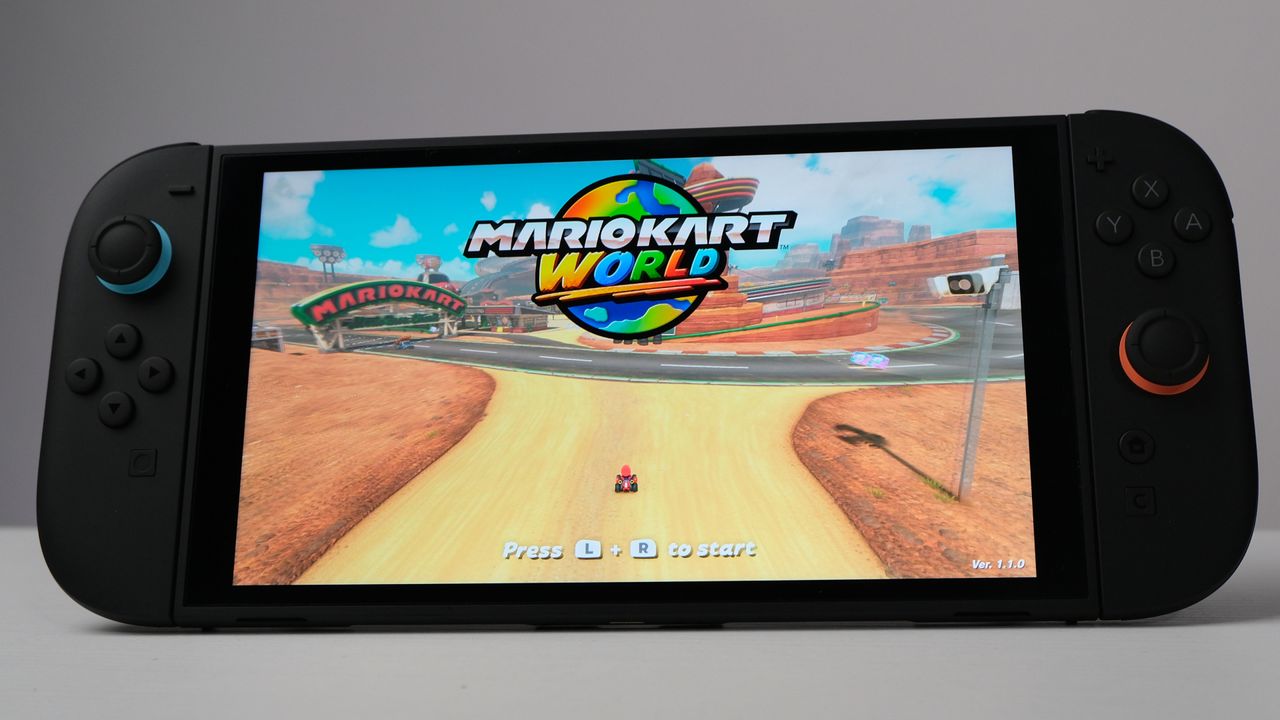
New report reveals the Nintendo Switch 2 is the second fastest-selling video game hardware in US history, as Xbox and…
TechRadar
TechRadar
TechnologyJun 26, 2026 · 1 min
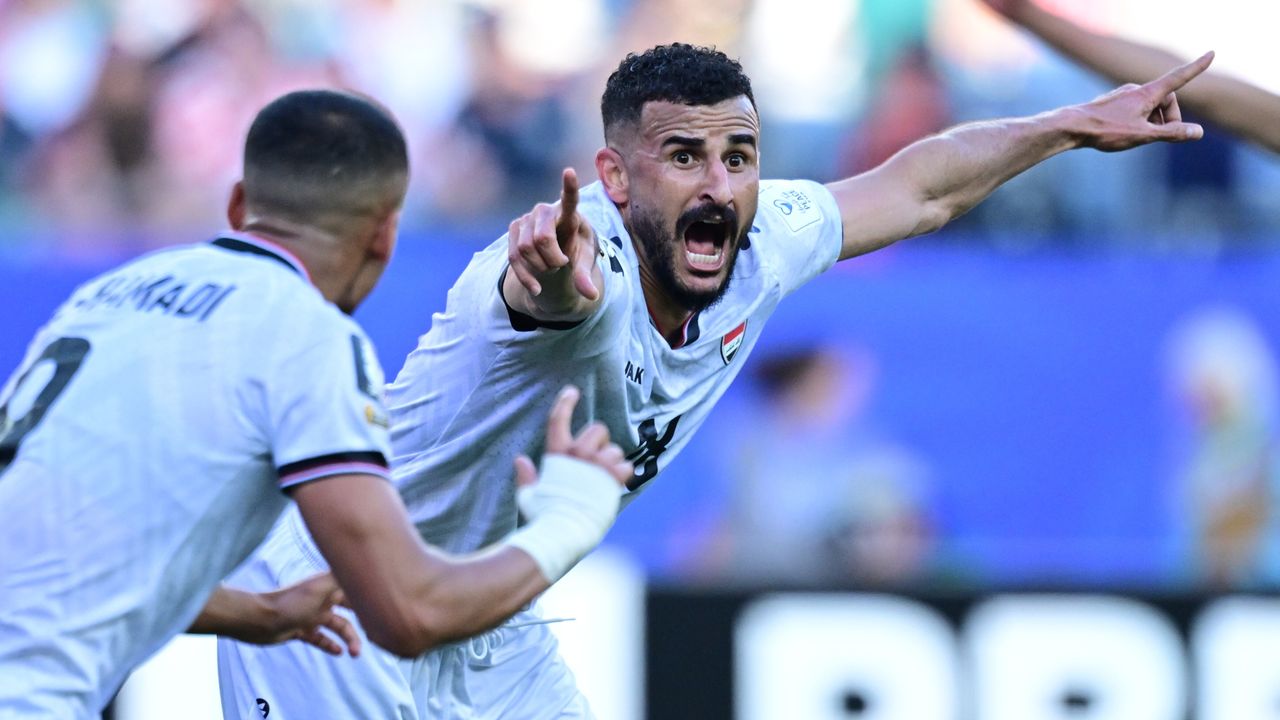
How to watch Senegal vs Iraq: Free Streams & TV Channels online from anywhere at FIFA World Cup 2026
TechRadar