Indian Express
‘When football unites, no right wing, no left wing’ – Stimac, ’98 Croatia hero
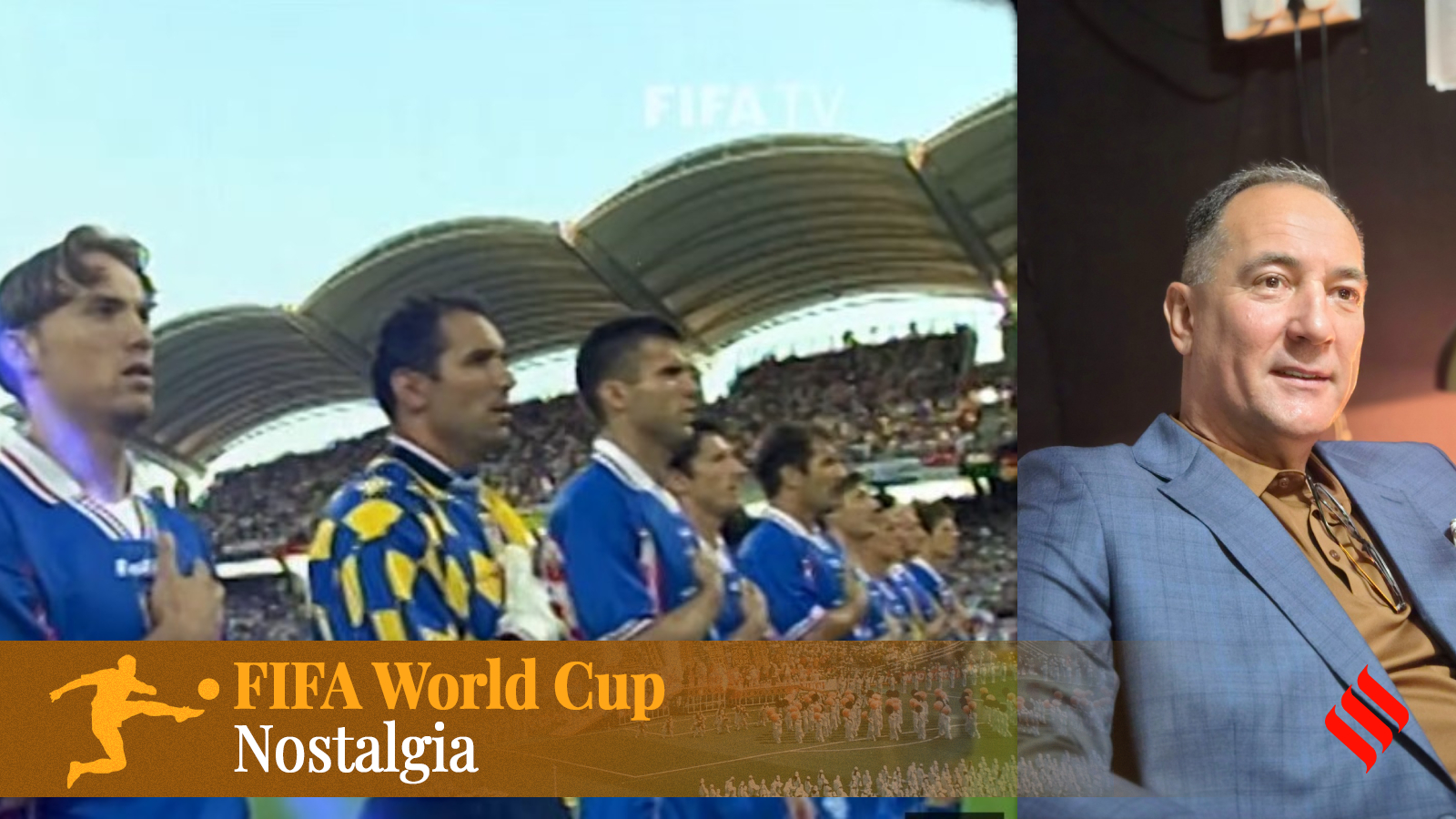
Football teams from war-ravaged nations cherish a united fan base back home. It’s the closest thing to normalcy. Igor Štimac, whose Croatia finished third at the 1998 FIFA World Cup, says a national football team winning heals political friction and fragments, better than anything he’s known.
“It’s one simple, beautiful idea to stand by. When your country qualifies for a World Cup, nothing else is so important anymore. Everything else stops bothering. No political issues, no problems, no illness,” Štimac, the former India coach, recalls the dizzy days when Croatia were finally allowed to qualify, and went all the way to bronze on debut.
“I only have the medal from then as a keepsake. All money went to health services and surgeries of soldiers and civilians hurt by war,” he recalls, on the sidelines of his TV punditry gig with Zee5. Football offered a legit distraction from the reality of war, even for the team based abroad. But nightmares of losing loved ones pierced that escape, he says.
From 1991-97, Serbia and Croatia clashed on a terrifying frontline after Yugoslavia came apart. Štimac calls it “Serbian aggression.” “Our team carried great responsibility because friends, people our age, were losing lives, surviving aggression.” What it did was unite a country dazed by destruction. “For football, everyone united. No left wing. No right wing. It was not easy. But it gave kids like Luca Modric idols like
Davor Šuker, Boban, Jarni to follow, and two more medals. 3 medals in 6 World Cups, not bad, eh?” he says.
Champion gene
Present-day Croatia play Ghana in a battle of survival in a tricky group match on Saturday, and things could get dicey. Štimac, who spoke before the first match, however, maintains – a touch as hyperbole – that all Croats from eternity carry a “champion gene.”
“We fight as if our life depends on it. Throughout history, there have been enemies wanting to perish us, Croats (sic),” he explains. “We have had great warriors and been the first line of defense versus conquest and terror of central Europe. We defended our land with our lives and have 5 wins over (Ottoman) Turks, more than anyone. We fight. That’s our champion gene.”
Story continues below this ad
For a country coming out of the Balkan tragedies of the 90s, football wasn’t even on level ground. Croatia was the World U20 champions coming out of communist rule, but official recognition to participate as Croatia was an endless wait from FIFA and UEFA bureaucracy.
“It was disgusting, and us professional players were not allowed official entry, only friendlies. When the chance came at the Euros, the team reached the quarters. The referee was responsible for Croatia not going through when we lost to Germany. We were sad, angry, but not bitter. We accepted the wrong decision because we got a chance to play at least,” he recalls. At the World Cup in 98, they made it count. After Jamaica, Japan, Romania, the Croats defeated Germany, the old football enemy.
“People came out on Croatia streets and sang songs on us. We had beaten them. The same Germany that had beaten us with the help of a referee,” he narrates with a boom, like he’s Gimli, son of Gloin. “Although in our culture, we don’t believe in ‘revenge’. When we lose at football, it’s because the opponent is better than us. But because of what happened at Euros, there was great satisfaction that the injustice was ended with the biggest defeat of the enemy (3-0).
Throughout the whole campaign, Štimac recalls the team felt at home in France. “We had the best manager (Miroslav Blažević) and the golden generation playing in the top clubs of Europe. We were relaxed, understood each other,” he says.
Story continues below this ad
Loyalty and camaraderie also included some unsavoury business. But in their 20s, with fresh freedom, Štimac reckoned they needed a release. “Oh, myself and Davor Šuker and few others would fly off to Madrid, you know,” he says surreptitiously. “We would smoke at halftime!” he recalls. “We knew it was important to do our job on the field. But we smoked, which might be unacceptable to others. But there was trust and loyalty.”
He regrets it. A little. “In the second game, playing Japan took away a lot of energy. After 5-6 hours, we faced huge problems,” he says. “So, write it in bold in your paper – DON’T SMOKE,” Štimac says. Football, though, smelled of freedom – a feeling he will eternally remember.
View original source — Indian Express ↗
Related stories

ESPN
SportsJun 26, 2026 · 1 min
Drug case vs. ex-Olympian Miller to be dropped
ESPN

ESPN
SportsJun 26, 2026 · 1 min
Fever will sit Clark vs. Sparks due to ailing back...
ESPN

The Hindu
SportsJun 26, 2026 · 1 min
Watch: Eight arrested over Ram temple donations scandal | Above the Fold | 26.06.2026
The Hindu

Lovin Malta
SportsJun 26, 2026 · 1 min
Watch: New Maltese Series Puts Local Heroes In The Spotlight
Lovin Malta