BBC
BBC··2 min read
Tate brothers lose court bid to be told names of their UK accusers
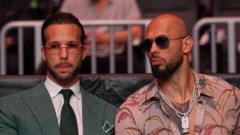
Andrew and Tristan Tate have lost a legal bid to be told the names of their UK accusers, which the Crown Prosecution Service (CPS) have withheld to remove the risk they could be made public.
The brothers will face charges in the UK, including rape and human trafficking, when they are extradited from Romania after legal proceedings against them there conclude.
The Tates, who both deny any wrongdoing, sought a judicial review to challenge the CPS's decision to withhold the names of their female accusers at this stage, arguing it breached their human rights.
A High Court judge threw out their case on Friday, saying prosecutors had sound legal grounds to do so until criminal proceedings begin.
In 2024, Bedfordshire Police secured European arrest warrants for the pair to have them returned from Romania, where they are based and are under criminal investigation.
In May 2025, prosecutors confirmed the full list of 21 charges Andrew Tate, 39, and Tristan Tate, 37, will eventually face in the UK.
The alleged offences are said to have taken place between 2012 and 2016.
While the Tates have been made aware of the charges, the CPS decided it was necessary to withhold the names of their accusers until they are back in the UK and legal action formally starts.
At a hearing at the Royal Courts of Justice earlier this week, their barrister Sallie Bennett-Jenkins KC argued that decision was "flawed", and said they had "been treated differently from other suspects or defendants".
She said the CPS had assumed the pair would identify the complainants on social media and cause them to withdraw from proceedings, but that this was an "inflated assumption of risk".
But in a summary of his judgment published on Friday, Mr Justice Chamberlain said "the claimants have no rights under any relevant statutory regime to be told of the identities of the complainants" at this stage in proceedings.
He ruled that none of the grounds on which they sought a review were "arguable", and said there were sound reasons to protect the identity of the women.
The High Court judge said a senior prosecutor met the women and "formed her own view about their vulnerability", along with the potential impact of their identities being publicly disclosed.
He said "the high profile of the claimants was relevant to the extent of the damage that would be done if they chose to name the complainants publicly".
Mr Justice Chamberlain continued: "Although they are 'of good character' in the technical sense used by criminal lawyers, the prosecutor's description of them as 'notorious' was not unfair.
"It was consistent with the fact that they are currently banned from all Google-owned social media platforms."
Mr Justice Chamberlain said prosecutors were entitled to take a "precautionary approach" given the public interest in the case against the Tate brothers.
He also said the CPS had been within its rights to refuse their offer of a cash guarantee not to name the women, saying there was no legal way to enforce such an arrangement.
Their argument that their right to a fair trial was hampered by the CPS's decision, on the grounds they are not able to effectively prepare for a possible future trial, was also dismissed.
Related stories

The Punch
NewsJun 26, 2026 · 1 min
$4.5bn fraud: Emefiele challenges EFCC statements, cites torture, detention
The Punch

ESPN
SportsJun 26, 2026 · 1 min
Sources: Pistons to land Joe in trade with OKC
ESPN
The Punch
NewsJun 26, 2026 · 1 min
NSCDC nabs three suspects over illegal ethanol haul in A’Ibom
The Punch
The Punch
NewsJun 26, 2026 · 1 min
Taraba gets permanent police HQ 35 years after creation
The Punch