Indian Express
Long after West Germany, Austria played out a farce, history could be repeated
4 min readUpdated: Jun 26, 2026 08:58 PM IST
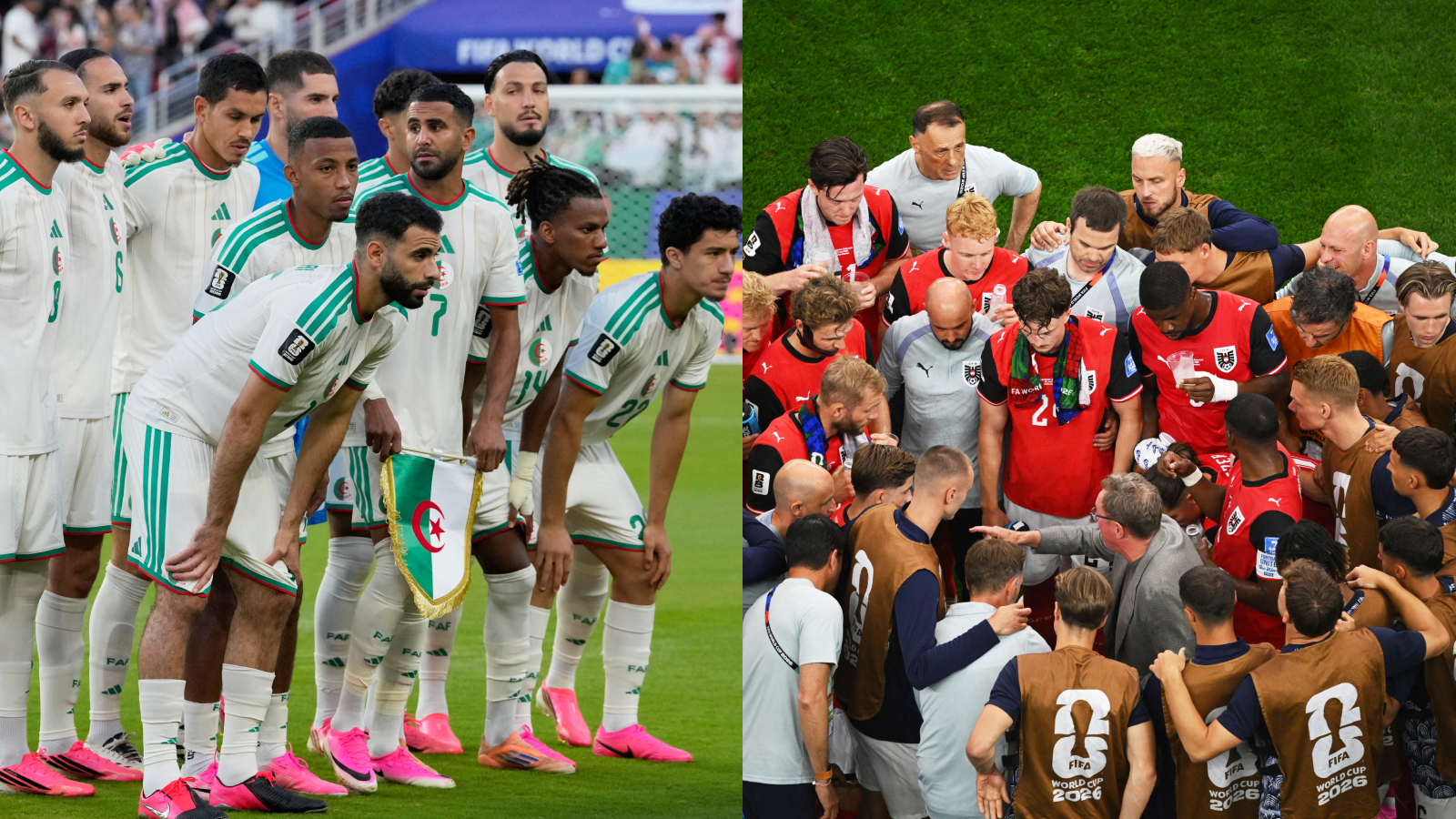
Essentially, Argentina have already won the Group J. Jordan are out. Austria and Algeria, having beaten Jordan and losing to the defending champions, are level on three points heading into the match between themselves. (AP)
The 1982 World Cup saw one of the biggest shock results in the tournament’s history when West Germany went down 1-2 to Algeria in their opening game. But the bigger notoriety was reserved for the last match of the group when the Germans and Austrians contrived to fashion the exact result that sent both teams to the next round, even as Algeria cried foul from the sidelines.
The travesty, infamous as The Disgrace of Gijon, prompted a FIFA rule change stipulating that the final two games in a group would be played simultaneously to prevent any side from garnering an advantage from knowing what they needed to do to progress. But even with that rule in place, the 2026 edition of the World Cup could end up testing fair play – due to the 48-team draw and the prospect of the eight best third-place finishers advancing in the draw.
First, a flashback to events in 1982: For Algeria to progress to the tournament’s second phase, they needed Austria to remain unbeaten or West Germany to secure a victory margin of at least three goals in the match at Gijon.
After Horst Hrubesch scored for West Germany in the 11th minute, the contest effectively descended into a farce, as the scoreline was enough to see both teams in the next round, at Algeria’s expense. The last attempt on goal was in the 54th minute of the game. There were only two shots at goal in the second half – both were off target.
According to The Guardian, the Algerian FA formally protested to FIFA in the aftermath, denouncing the encounter as a “sinister plot.” While accusations of a pre-arranged deal were met with denial from both sides, the stain on the game remained.
From the next tournament, FIFA changed the rules, decreeing that all final group-stage matches would kick off simultaneously.
Cut to the present
Now, 44 years later, FIFA’s expanded 48-team tournament has made the situation conducive for a repeat. Ironically, two of the protagonists from 1982 remain: Algeria and Austria. The irony is that Algeria could now benefit from precisely the type of mutually convenient result that once denied them a place in the next round. Who ultimately misses out remains to be seen, owing to the complicated system used to determine the eight best third-placed teams for the knockout stages.
Story continues below this ad
Essentially, Argentina have already won the Group J. Jordan are out. Austria and Algeria, having beaten Jordan and losing to the defending champions, are level on three points heading into the match between themselves.
The incentive to settle for a mutually beneficial stalemate is obvious. A draw keeps Austria above Algeria on goal difference, locking them in second place. It also gives Algeria the point they would need to go through as one of the eight best third-place finishers, with four points.
Accusations of match-fixing are unlikely this time, owing to the complications of the new format, the incentive to settle for a mutually beneficial draw remains. This structural incentive is precisely what FIFA sought to eliminate following the events of 1982, yet the introduction of a third-place qualification route has inadvertently created a new path back to that very dilemma.
View original source — Indian Express ↗
Related stories

ESPN
SportsJun 26, 2026 · 1 min
Bulls' Wilson expects to win Rookie of the Year
ESPN

ESPN
SportsJun 26, 2026 · 1 min
CFL won't allow Brendan Sorsby to join league
ESPN

ESPN
SportsJun 26, 2026 · 1 min
Sources: Poch in positive talks over USMNT deal
ESPN
ESPN
SportsJun 26, 2026 · 1 min
Guggenheim Museum features Jordyn Woods' lucky Kni...
ESPN