Indian Express
Meet leafy seadragon, the ocean’s most remarkable master of disguise
3 min readNew DelhiJun 27, 2026 06:00 PM IST
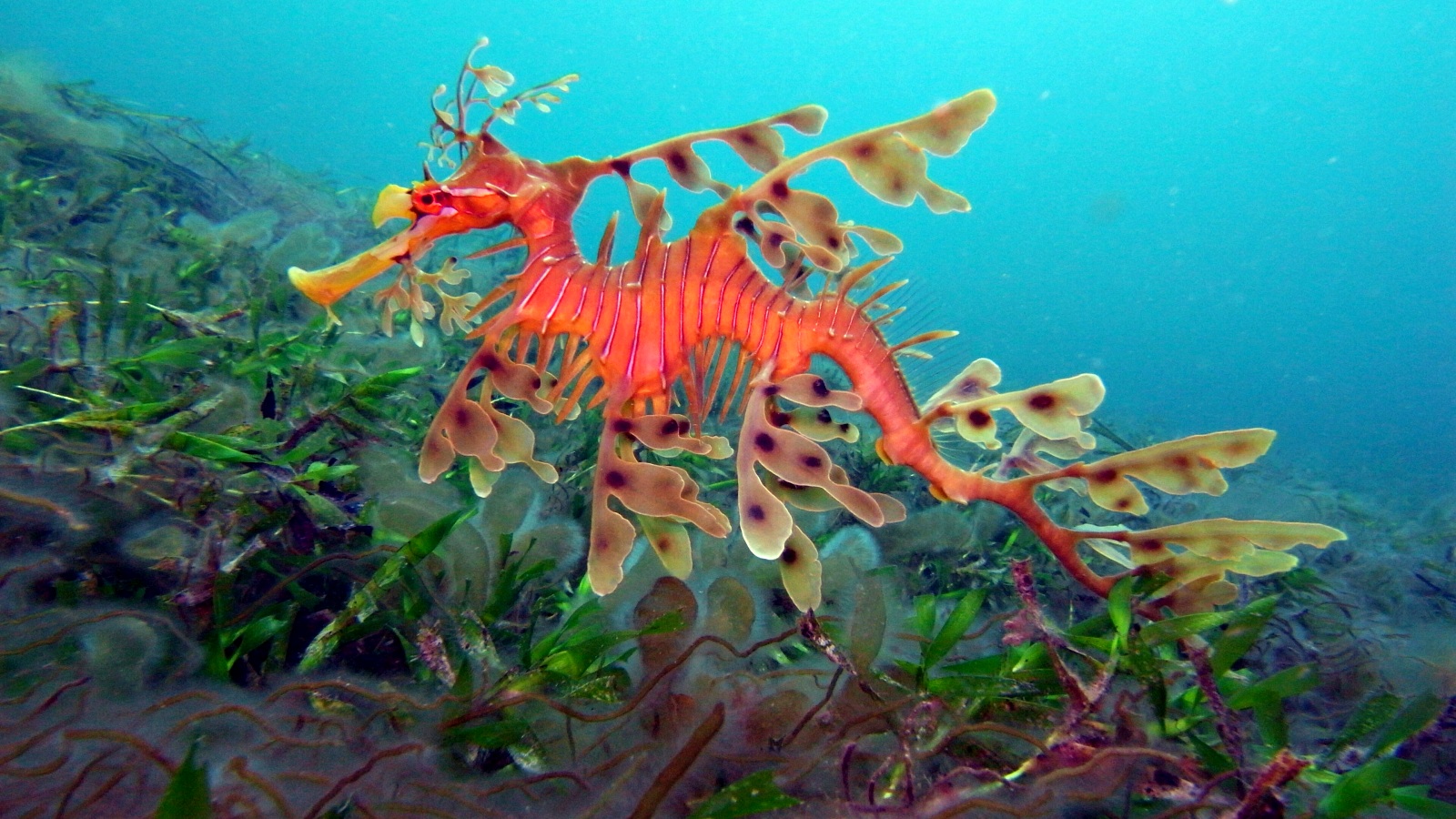
At first glance, it looks less like an animal and more like a piece of floating seaweed. With delicate, leaf-like structures covering its body, the leafy seadragon is one of the ocean’s most extraordinary masters of disguise.
Found off the southern and western coasts of Australia, this unusual marine creature has evolved an appearance so convincing that predators often struggle to spot it among underwater vegetation.
Despite its dragon-like name, the leafy seadragon is actually a close relative of seahorses and pipefish. Growing up to about 35 centimetres long, the animal is covered in elaborate appendages that resemble drifting leaves. Surprisingly, these “leaves” aren’t used for swimming. Their main purpose is camouflage.
As the seadragon gently sways with ocean currents, its leaf-like extensions move too, helping it blend seamlessly into kelp forests and seagrass meadows. To both predators and prey, it can appear almost indistinguishable from the surrounding plants.
Although it looks fragile, the leafy seadragon is a skilled hunter. It feeds primarily on tiny crustaceans, plankton, and small shrimp-like animals. Instead of chewing, it uses its long tube-shaped snout like a straw, sucking prey directly into its mouth.
Leafy seadragom doesn’t have gills (Image: Wikimedia Commons)
Unlike many fish, leafy seadragons have no teeth and no stomach. Food passes through their digestive system quickly, meaning they need to eat frequently throughout the day.
Another fascinating feature is how they swim. Most fish rely on powerful tail movements to propel themselves through the water. Leafy seadragons, however, use nearly transparent fins that are so small they are difficult to see. These tiny fins allow them to glide gracefully through the ocean while maintaining the illusion of drifting seaweed.
Story continues below this ad
Interestingly, unlike seahorses, leafy seadragons cannot curl their tails around plants or objects for support. Instead, they rely heavily on their remarkable camouflage to stay safe from predators.
Like their seahorse relatives, leafy seadragons also have unusual parenting habits.
After mating, the female deposits her eggs onto a specialised brood patch under the male’s tail. The male then carries and protects the eggs for several weeks until they hatch, taking on the role of primary caregiver.
The species is so beloved in Australia that it has been named the official marine emblem of South Australia.
Story continues below this ad
Today, leafy seadragons face threats from habitat degradation, pollution, and climate change. Their reliance on healthy kelp forests and seagrass habitats makes them particularly vulnerable to environmental changes.
Fortunately, they are protected in Australian waters, and conservation efforts are helping researchers better understand and safeguard these remarkable creatures.
With its leaf-covered body, gentle movements, and almost mythical appearance, the leafy seadragon looks like something straight out of a fantasy novel. Yet it is very real — and proof that some of nature’s most impressive disguises are hiding beneath the waves.
View original source — Indian Express ↗
Related stories

Rolling Stone
EntertainmentJun 27, 2026 · 1 min
Oliver Tree’s Family Establishes Foundation to Provide Grants to Artists
Rolling Stone

Indian Express
EntertainmentJun 27, 2026 · 1 min
Sharmila Tagore lived with Tiger Pataudi before wedding, faced ‘bullets shall speak’ threats
Indian Express

The Punch
EntertainmentJun 27, 2026 · 1 min
Veteran actor Kola Oyewo for burial August 7
The Punch

E! Online
EntertainmentJun 27, 2026 · 1 min
Britney Spears' Son Jayden James Speaks Out After Runway Milestone
E! Online