Indian Express
Indian Express··4 min read
How the Koh-i-Noor came home to Punjab — before Britain took it away
From the Kakatiyas to Maharaja Ranjit Singh and finally the British Crown, the world’s most famous diamond changed hands with every empire that rose and fell
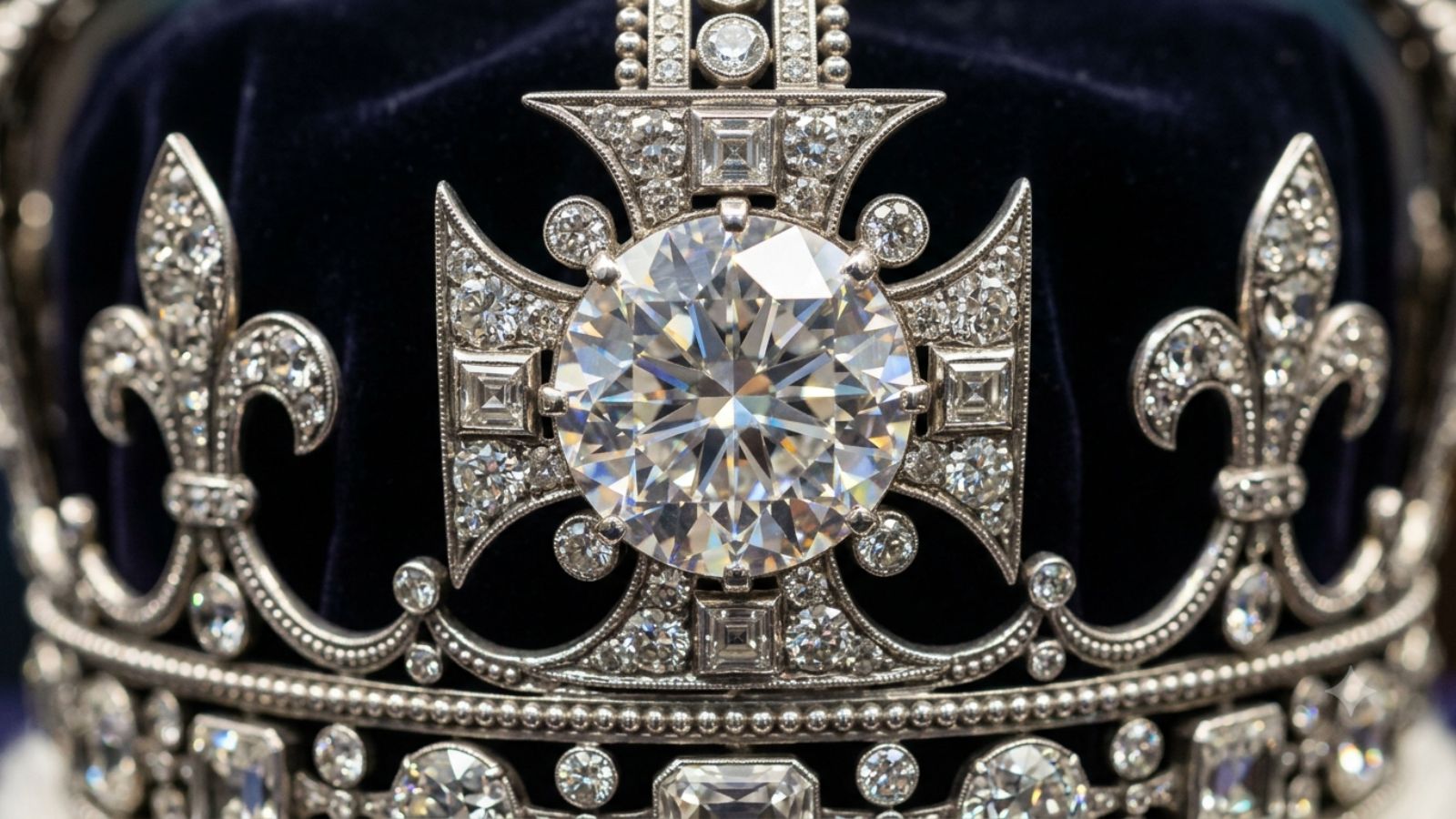
The Koh-i-Noor is today synonymous with the British Crown. Yet centuries before it reached London, the legendary diamond had travelled an extraordinary path across the Indian subcontinent and Central Asia, changing hands through conquest, diplomacy and political intrigue before finally arriving in the court of Maharaja Ranjit Singh in Lahore.
Despite its Persian name, meaning “Mountain of Light”, the Koh-i-Noor is widely believed to have originated in India. Historians trace it to the Kollur diamond mines in present-day Andhra Pradesh. According to local tradition, the Kakatiya rulers of Warangal possessed the uncut gem and may even have installed it as the eye of the deity at the Bhadrakali Temple. The diamond is believed to have passed into the hands of the Delhi Sultanate after Alauddin Khilji’s general, Malik Kafur, conquered Warangal in the early 14th century.
The gem later became part of the Mughal treasury. During the reign of Shah Jahan, it adorned the magnificent Peacock Throne, commissioned in 1628 and embellished with some of the finest jewels of the empire.
Its fortunes changed dramatically in 1739 when the Persian ruler Nadir Shah defeated Mughal emperor Muhammad Shah after the Battle of Karnal. Following the loot of Delhi, Nadir Shah carried away immense wealth, including the Peacock Throne and the famed diamond, which is widely believed to have acquired the name “Koh-i-Noor” during this period.
After Nadir Shah’s assassination in 1747, the diamond passed to Ahmad Shah Abdali, founder of the Durrani Empire. It remained with successive Afghan rulers as civil wars and succession battles engulfed Afghanistan.
The story took a decisive turn with the rise of Maharaja Ranjit Singh.
Story continues below this ad
In 1798, the young chief of the Sukerchakia misl succeeded his father, Maha Singh. Around the same time, Afghan ruler Zaman Shah made repeated attempts to invade India. Sikh historical accounts describe Ranjit Singh as one of the principal leaders who resisted these advances around Lahore.
Political upheaval soon overtook Afghanistan. Zaman Shah was deposed and blinded, while another brother, Shah Shuja Durrani, briefly occupied the throne before he too was overthrown. Reduced from rulers to fugitives, members of the Afghan royal family sought refuge in Punjab.
By then, Ranjit Singh had established himself as Maharaja of Punjab. Shah Shuja and his family arrived in Lahore seeking protection.
The Koh-i-Noor entered this story through Shah Shuja’s wife, Wafa Begum. According to historical accounts, she promised the priceless diamond to Ranjit Singh if he rescued her husband, who had been imprisoned in Kashmir by Ata Muhammad Khan.
Story continues below this ad
Ranjit Singh entrusted the mission to his trusted general, Diwan Mokham Chand. Sikh forces reached Kashmir ahead of rival Afghan troops, secured Shah Shuja’s release and brought him safely to Lahore.
The promised diamond, however, did not immediately change hands.
Shah Shuja and Wafa Begum repeatedly delayed fulfilling their promise, at one point claiming the gem had been pledged to a moneylender in Kandahar. Having lost men and spent heavily on the Kashmir campaign, Ranjit Singh eventually imposed restrictions on their residence in Lahore until the commitment was honoured.
Finally, on June 1, 1813, Shah Shuja presented the Koh-i-Noor to the Maharaja at Mubarak Haveli in Lahore.
According to contemporary accounts, the diamond was brought wrapped in cloth. Ranjit Singh examined it before asking his finance minister, Diwan Bhiwani Das, who had earlier served the Afghan court and was familiar with the gem, to verify its authenticity. Once satisfied that it was indeed the Koh-i-Noor, the Maharaja quietly departed with the diamond.
Story continues below this ad
For the next 36 years, the Koh-i-Noor remained in the Lahore treasury as one of the greatest symbols of the Sikh Empire.
That chapter ended after Maharaja Ranjit Singh’s death on June 27, 1839. The Sikh Empire was weakened by internecine struggles and political instability. Following the Second Anglo-Sikh War, the British annexed Punjab on March 29, 1849.
Under the terms of annexation, the 10-year-old Maharaja Duleep Singh was required to surrender the Koh-i-Noor to the British East India Company. The proclamation specifically stated: “The gem called the Koh-i-Noor, which was taken from Shah Shuja-ul-Mulk by Maharaja Ranjit Singh, shall be surrendered by the Maharaja of Lahore to the Queen of England.”
The diamond was transported to Britain the following year and later recut before becoming part of the British Crown Jewels, where it remains today.
Story continues below this ad
For India, Pakistan, Afghanistan and Iran, the Koh-i-Noor continues to evoke competing historical claims and memories. Yet one chapter remains beyond dispute: for over three decades, the world’s most celebrated diamond rested in Lahore as one of the proudest possessions of Maharaja Ranjit Singh and the Sikh Empire.
(Sudeep Mahajan is Senior Advocate at the Punjab and Haryana High Court)
View original source — Indian Express ↗
Related stories

ESPN
SportsJun 27, 2026 · 1 min
WWE Night of Champions: Live results and analysis
ESPN

The Punch
NewsJun 27, 2026 · 1 min
Germany hits record 41.5C as Europe heatwave sets new temperature records
The Punch

ESPN
SportsJun 27, 2026 · 1 min
Blues acquire Carlo from Leafs for pair of picks
ESPN
The Punch
NewsJun 27, 2026 · 1 min
Newborn baby rescued from Venezuela twin earthquake rubbles
The Punch